

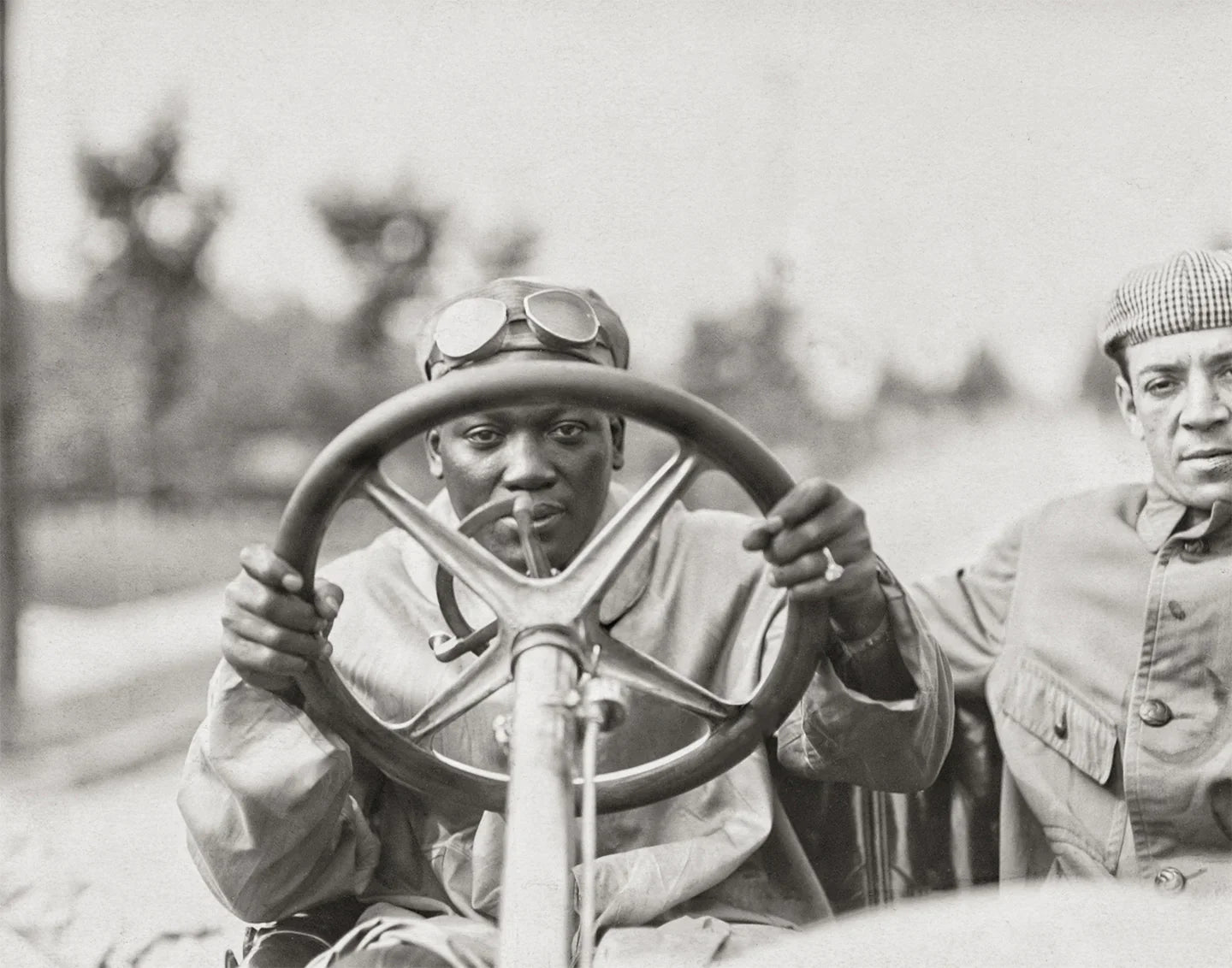

Jack Johnson: The Boxer Who Defied the Odds and Became a Champion
Jack Johnson: The Boxer Who Defied the Odds and Became a Champion
In the early 20th century, Jack Johnson was a trailblazer in the world of boxing. As a Black man in a sport dominated by White athletes, Johnson faced numerous challenges and obstacles on his path to success. But with his incredible skill, strength, and determination, he rose to become the first African American world heavyweight champion.
In this article, we will explore the incredible life and legacy of Jack Johnson, and how his story continues to inspire and captivate audiences today.
Early Life and Boxing Career
Jack Johnson was born in Galveston, Texas, in 1878. As a young man, he worked in various manual labor jobs, including as a janitor and a dock worker. But it was in the boxing ring where Johnson truly found his calling.
Johnson began his professional boxing career in 1897, and quickly made a name for himself as a fierce and skilled fighter. Despite facing discrimination and racism from White opponents and promoters, Johnson refused to be deterred. He continued to train and compete, and soon became known as one of the best boxers in the country.
Championship Race
In 1908, Johnson faced off against White boxer Tommy Burns for the world heavyweight championship. The fight took place in Sydney, Australia, as Johnson was unable to secure a championship bout in the United States due to the color barrier.
But despite facing a hostile crowd and a determined opponent, Johnson emerged victorious, becoming the first Black man to win the world heavyweight title. The victory was a significant moment not just for Johnson, but for the entire Black community, who saw in him a symbol of hope and progress.
Racism and Controversy
But Johnson's success came at a cost. In the years following his championship victory, he faced intense racism and discrimination from both White society and the government. He was accused of violating the Mann Act, a law that made it illegal to transport women across state lines for immoral purposes, and was eventually convicted and sentenced to prison.
Many saw Johnson's conviction as a clear example of the government's attempt to punish him for his success and independence as a Black man. In 2018, more than a century after his conviction, President Donald Trump posthumously pardoned Johnson, calling his conviction a "racially motivated injustice."
Legacy and Impact
Despite the challenges and obstacles he faced, Jack Johnson's legacy continues to inspire and motivate people around the world. He was a true trailblazer and a symbol of courage, perseverance, and determination.
Johnson's life and career also paved the way for future generations of Black athletes, who would go on to make their own mark in the world of sports. From Muhammad Ali to Serena Williams, Johnson's impact can be felt in the accomplishments of countless athletes who came after him.
Conclusion
In conclusion, Jack Johnson was a remarkable athlete, a trailblazer, and an inspiration to all who face adversity and discrimination. His legacy serves as a reminder that even in the face of incredible challenges, it is possible to succeed and achieve greatness.
As we continue to celebrate the accomplishments of Black athletes and activists in our society, let us never forget the incredible contributions of Jack Johnson, and the countless others who have fought for equality and justice throughout history.
Leave a comment
Comments will be approved before showing up.
Also in Time Capsule
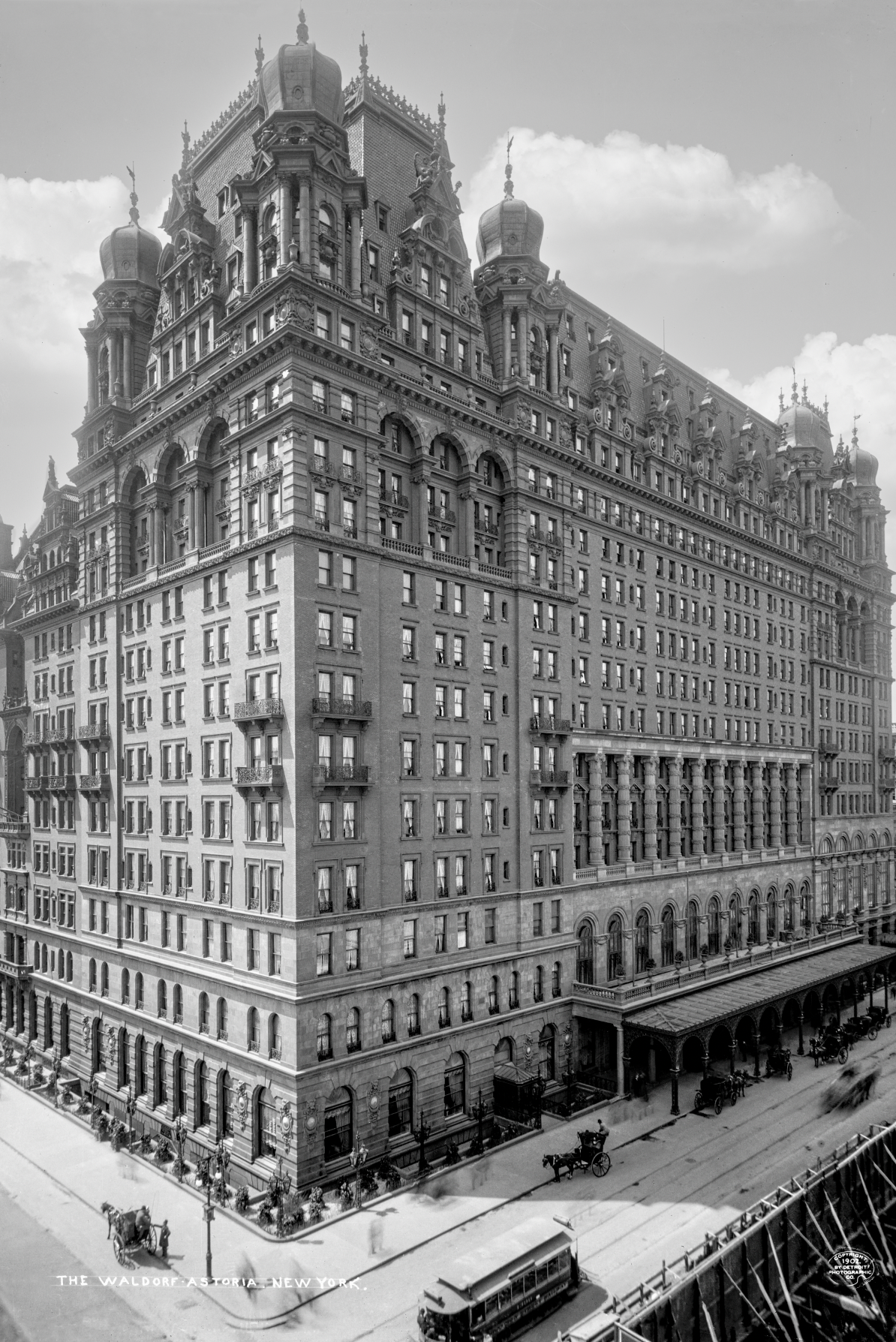

Six New York Landmarks That Changed the Manhattan Skyline
New York's skyline wasn't built overnight. Vintage photographs of Trinity Church, the Plaza, Waldorf-Astoria, Chrysler Building, Empire State Building and Rockefeller Center reveal how Manhattan grew from a city of church steeples and grand hotels into the skyscraper capital of the world.

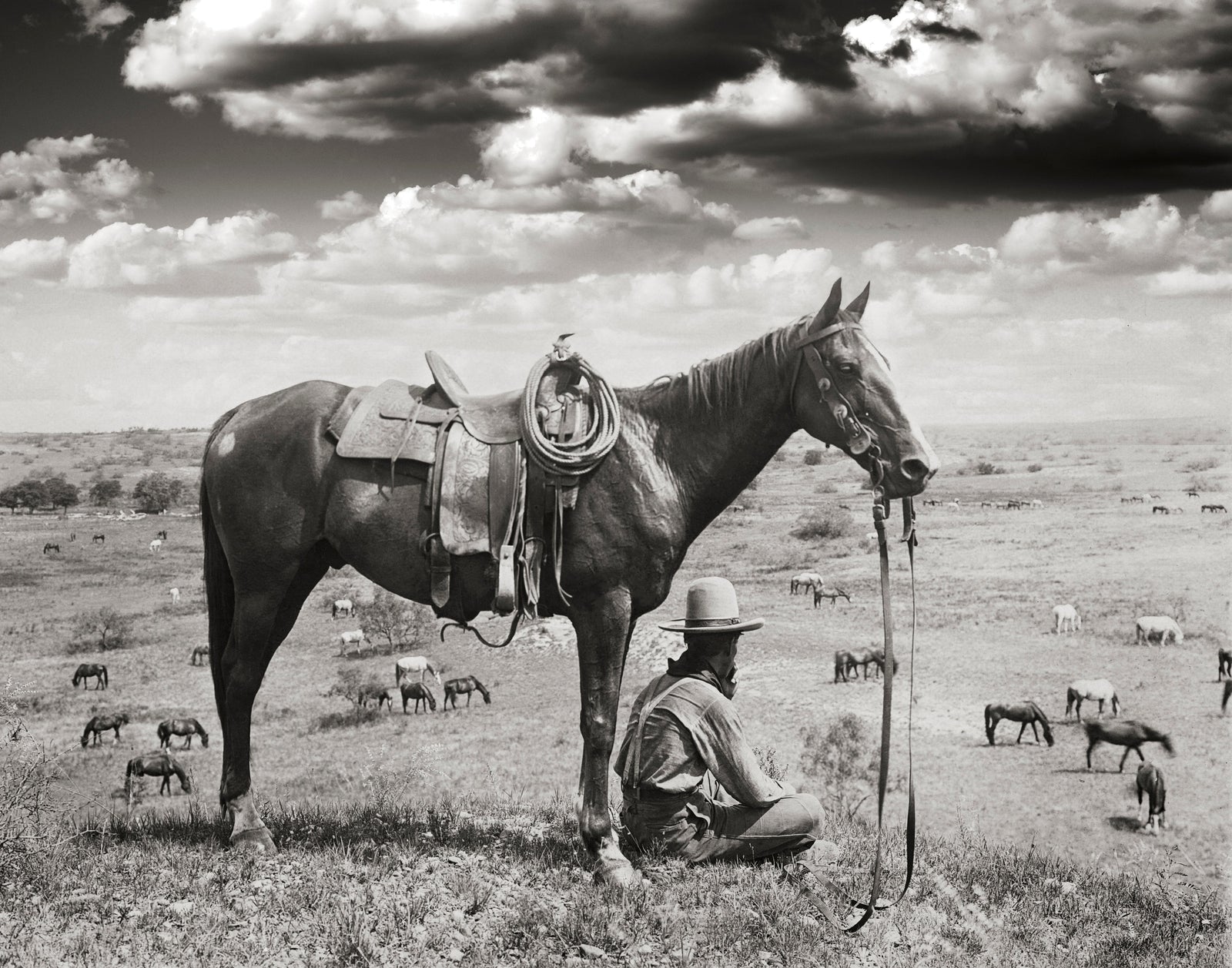

The Old West Never Really Ended
A cowboy on horseback overlooks the Dallas skyline in 1943—an image that seems to capture the Old West and modern America in a single frame. But the cowboy didn't disappear when the frontier closed. Discover how real working cowboys, rodeos, music and Hollywood carried the Old West into the 20th century.
Let customers speak for us
Gems
These short clips are gems. They are part of the history of music in America. Thank you for posting.
S. Kelley Chambers

Love the print and perfect decor for our n...
Love the print and perfect decor for our new apartment in Pittsburgh.
Chris P

5 stars review from Laura
5 stars review from Laura
Laura D

5 stars review from Geri
5 stars review from Geri
Geri L

5 stars review from Stephanie
5 stars review from Stephanie
Stephanie

5 stars review from Brookelynz
5 stars review from Brookelynz
Brookelynz
5 stars review from Deborah
5 stars review from Deborah
Deborah G

Spectacular!
Received as a gift and could not be happier with the quality of the print. Shipping container ensure this arrived in perfect condition.
John

5 stars review from Kayla
5 stars review from Kayla
Kayla G

5 stars review from Blondiee
5 stars review from Blondiee
Blondiee

5 stars review from April
5 stars review from April
April Y

5 stars review from Tracie
5 stars review from Tracie
Tracie C

Great quality and fast delivery!
Great quality and fast delivery!
Amanda C

5 stars review from Autumnrayne4
5 stars review from Autumnrayne4
Autumnrayne4

5 stars review from Traca
5 stars review from Traca
Traca B
