

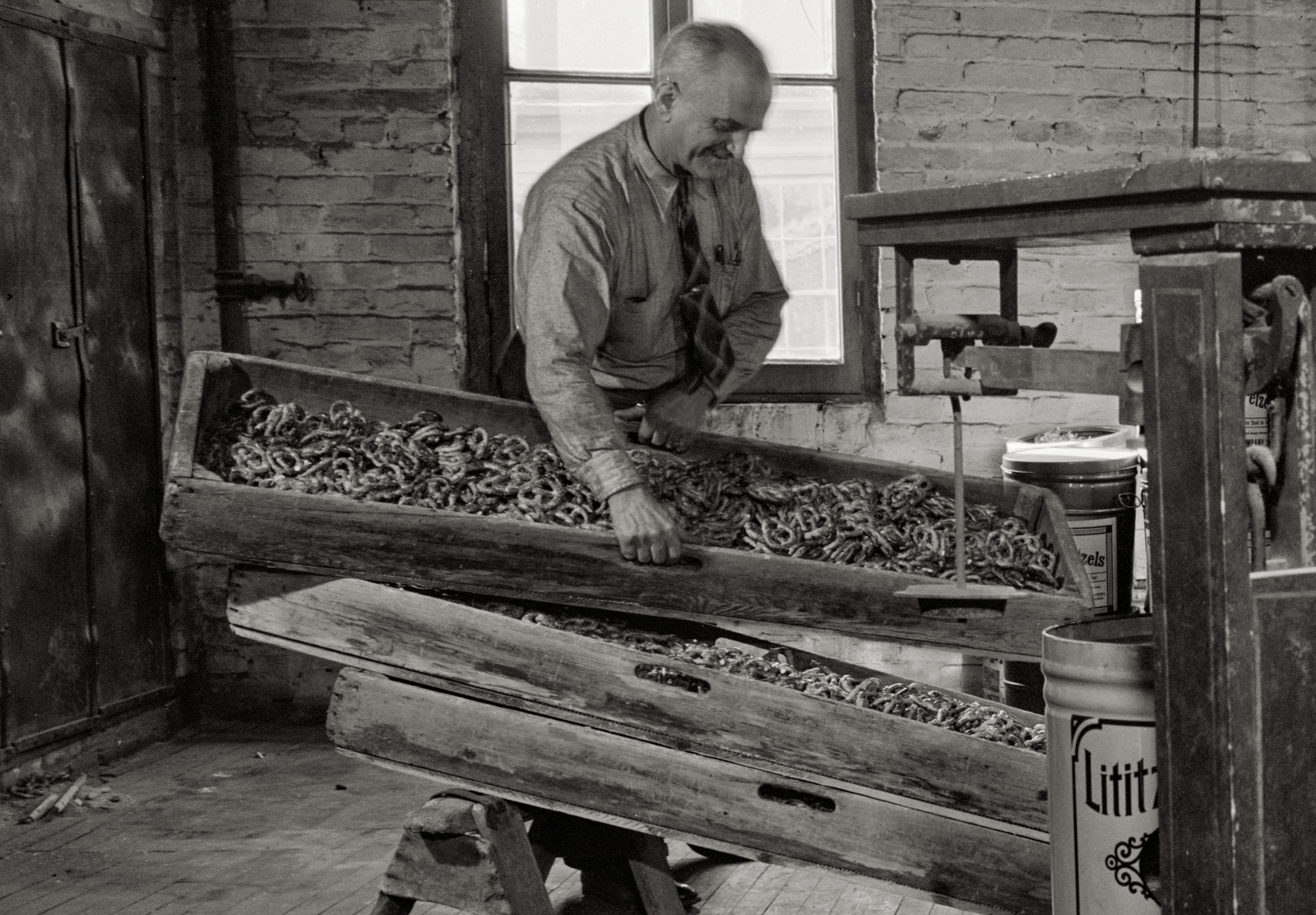
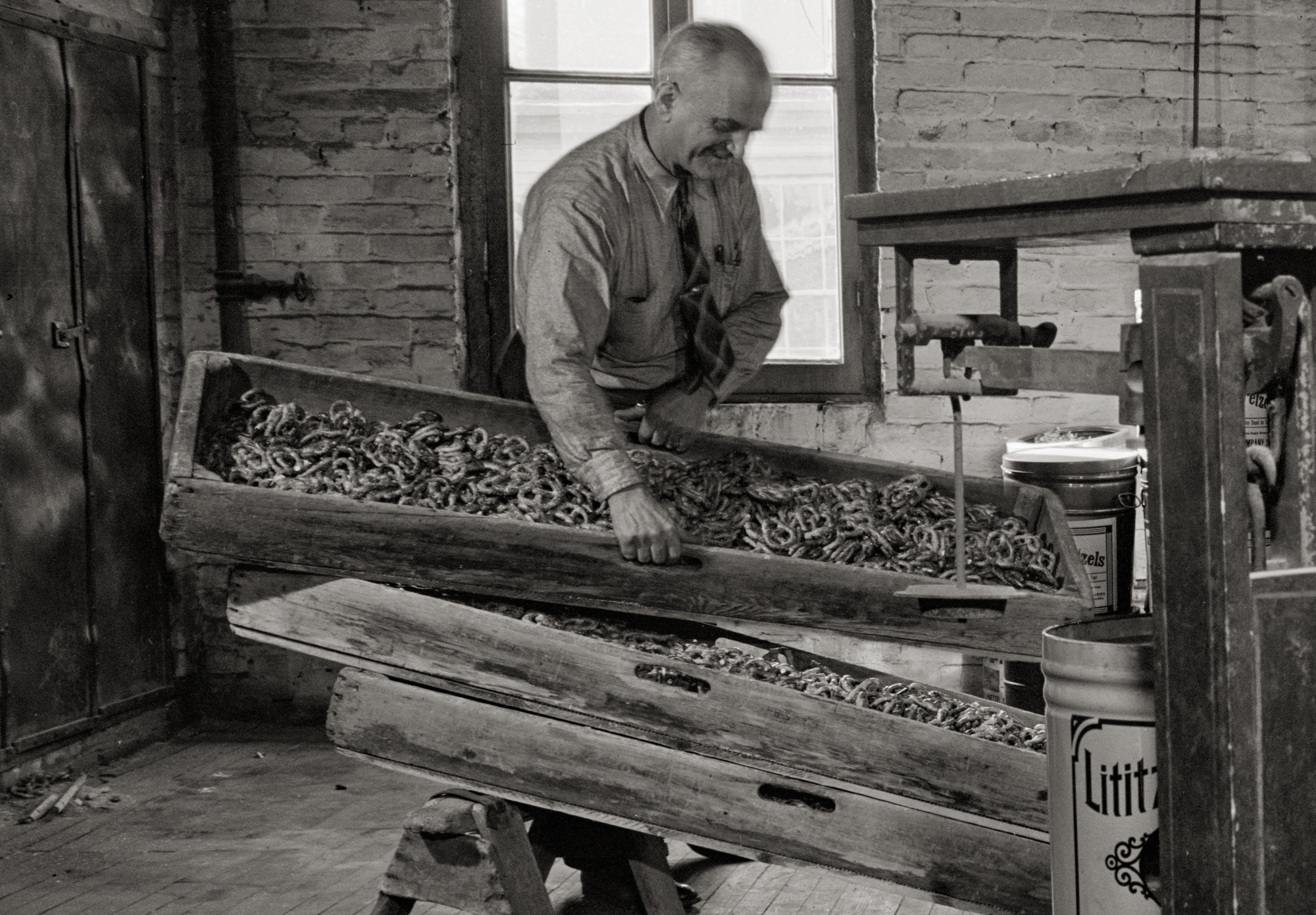
Pretzel Paradise: Tracing the Twisted Journey from Europe to Lititz, Pennsylvania's Pretzel Capital
Pretzels, those delightfully twisted and savory treats, have a storied history that intertwines with the fabric of American culture, particularly through the small town of Lititz, Pennsylvania. This article delves into the journey of pretzels from their European origins to becoming a staple snack in the United States, with a spotlight on Lititz's unique role in this history.
The European Origins
Pretzels have their roots deeply embedded in European history, with early versions dating back to the early Middle Ages. Initially created by monks as rewards for children who learned their prayers, pretzels symbolized arms crossed in prayer, with the three holes representing the Holy Trinity. This humble beginning in monasteries across France and Italy would set the stage for the pretzel's eventual voyage across the Atlantic.
Arrival in the United States
The pretzel made its way to North America with German immigrants in the late 18th and early 19th centuries. These immigrants, later known as the Pennsylvania Dutch, brought with them their culinary traditions, skills, and recipes. Among these was the beloved pretzel, which quickly found a new home in the fertile soils and tight-knit communities of Pennsylvania. The pretzel’s simplicity, long shelf life, and delicious taste made it a popular snack.
Lititz, Pennsylvania: The Pretzel's American Home
Lititz, a small town in Lancaster County, Pennsylvania, holds a special place in the heart of America's pretzel history. By the mid-19th century, pretzels were being produced in Lititz on a commercial scale, thanks in large part to Julius Sturgis. In 1861, Sturgis founded the first commercial pretzel bakery in the United States right in the heart of Lititz. The Julius Sturgis Pretzel Bakery not only marks the beginning of pretzel commercialization in America but also serves as a symbol of the entrepreneurial spirit and cultural preservation of the Pennsylvania Dutch community. The bakery, which still stands today, offers visitors a glimpse into the traditional methods of pretzel baking, including the hand-twisting technique that has become synonymous with artisanal pretzel craftsmanship.The Evolution of the American Pretzel
From these humble beginnings, the pretzel industry in America flourished, particularly in Pennsylvania, which still today produces a significant portion of the nation's pretzels. The snack's popularity surged in the 20th century, evolving from simple, hard-baked goods to include soft pretzels, which became a staple in cities like Philadelphia. Innovations in flavoring, packaging, and mass production methods helped the pretzel adapt to changing consumer tastes and preferences.Lititz continues to honor its pretzel heritage through annual celebrations and the continued operation of the Julius Sturgis Pretzel Bakery, now a historic site and museum. Here, visitors can learn about the history of pretzel making, try their hand at pretzel twisting, and, of course, taste the results of centuries-old recipes. The town embodies the enduring legacy of the pretzel in American culture, serving as a living museum to the snack's rich history and its pivotal role in the community's economic and cultural development.
Conclusion
The journey of the pretzel from European monasteries to becoming an integral part of American snack culture is a fascinating tale of tradition, migration, and innovation. Lititz, Pennsylvania, with its historic bakery and annual celebrations, stands at the heart of this story, reminding us of the simple snack's ability to weave together histories and communities. The pretzel, much like the people who brought it to the shores of America, adapted and thrived, becoming a beloved staple in American households and a symbol of the rich tapestry of the nation's culinary heritage. Through the twists and turns of history, the pretzel has remained, much like Lititz itself, a testament to the enduring appeal of simple, good food and the importance of preserving and celebrating our cultural traditions. Whether hard or soft, salted or unsalted, the pretzel is a snack that carries with it stories of innovation, community, and the unifying power of food.
Leave a comment
Comments will be approved before showing up.
Also in Time Capsule
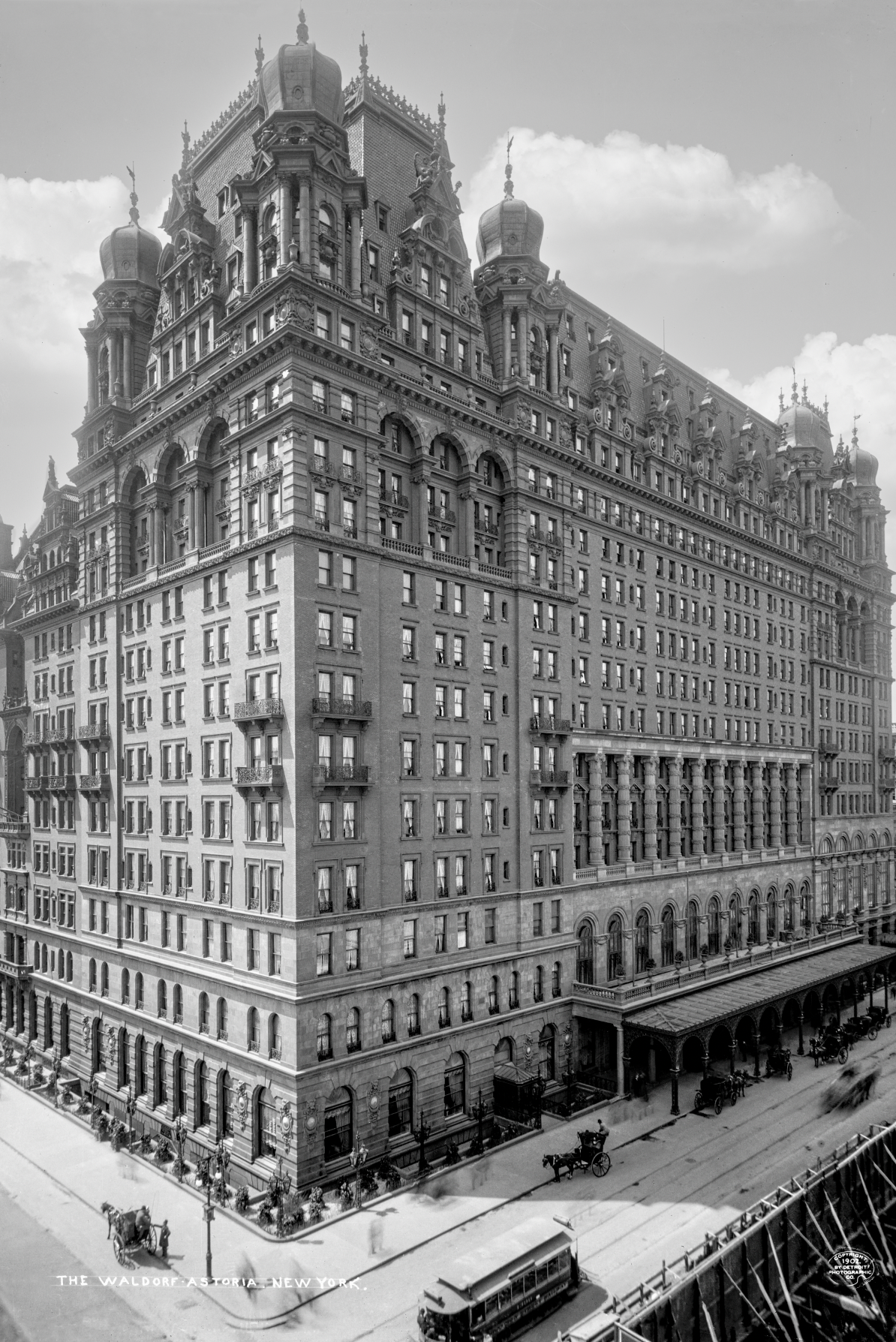

Six New York Landmarks That Changed the Manhattan Skyline
New York's skyline wasn't built overnight. Vintage photographs of Trinity Church, the Plaza, Waldorf-Astoria, Chrysler Building, Empire State Building and Rockefeller Center reveal how Manhattan grew from a city of church steeples and grand hotels into the skyscraper capital of the world.

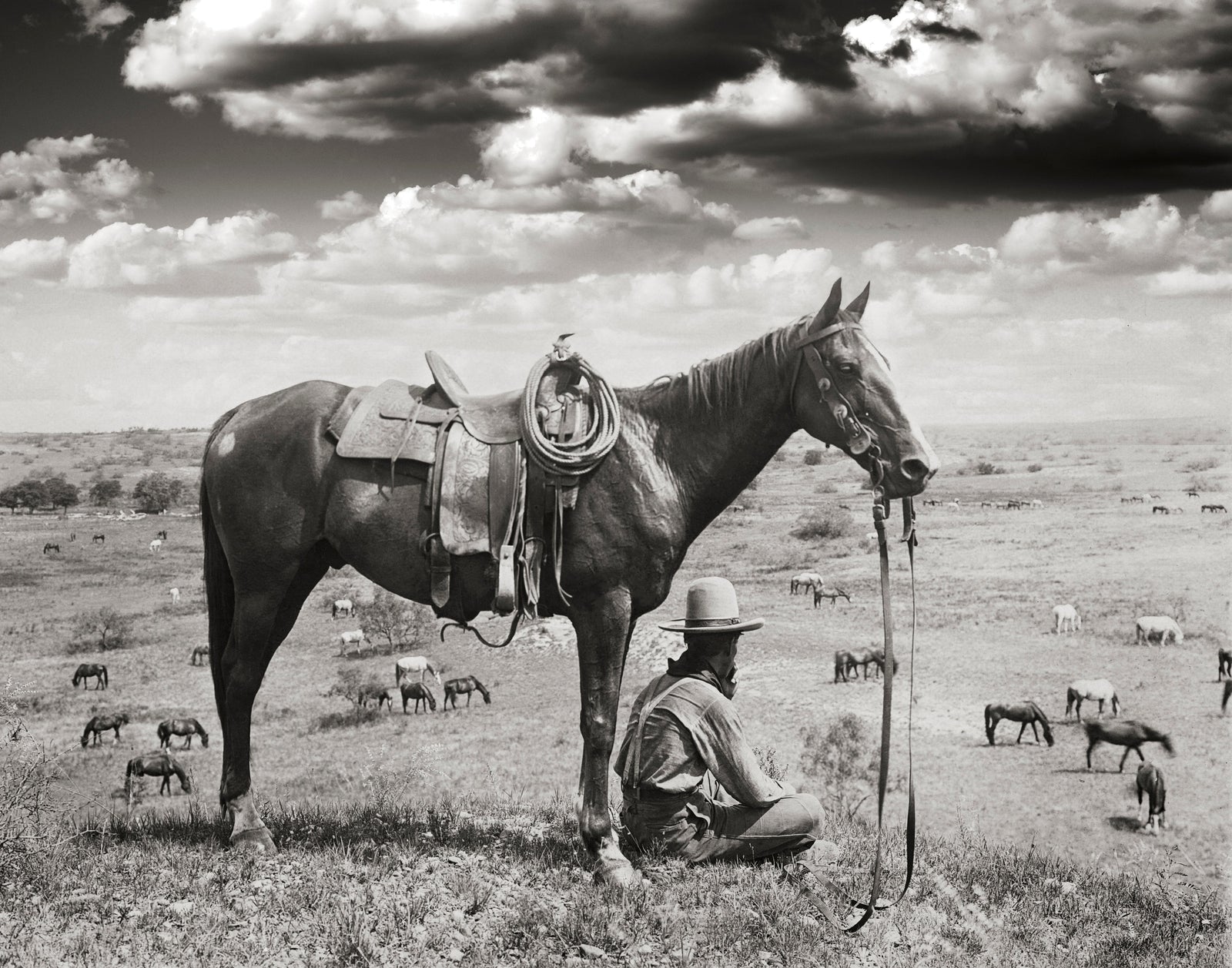

The Old West Never Really Ended
A cowboy on horseback overlooks the Dallas skyline in 1943—an image that seems to capture the Old West and modern America in a single frame. But the cowboy didn't disappear when the frontier closed. Discover how real working cowboys, rodeos, music and Hollywood carried the Old West into the 20th century.
Let customers speak for us
Gems
These short clips are gems. They are part of the history of music in America. Thank you for posting.
S. Kelley Chambers

Love the print and perfect decor for our n...
Love the print and perfect decor for our new apartment in Pittsburgh.
Chris P

5 stars review from Laura
5 stars review from Laura
Laura D

5 stars review from Geri
5 stars review from Geri
Geri L

5 stars review from Stephanie
5 stars review from Stephanie
Stephanie

5 stars review from Brookelynz
5 stars review from Brookelynz
Brookelynz
5 stars review from Deborah
5 stars review from Deborah
Deborah G

Spectacular!
Received as a gift and could not be happier with the quality of the print. Shipping container ensure this arrived in perfect condition.
John

5 stars review from Kayla
5 stars review from Kayla
Kayla G

5 stars review from Blondiee
5 stars review from Blondiee
Blondiee

5 stars review from April
5 stars review from April
April Y

5 stars review from Tracie
5 stars review from Tracie
Tracie C

Great quality and fast delivery!
Great quality and fast delivery!
Amanda C

5 stars review from Autumnrayne4
5 stars review from Autumnrayne4
Autumnrayne4

5 stars review from Traca
5 stars review from Traca
Traca B
