

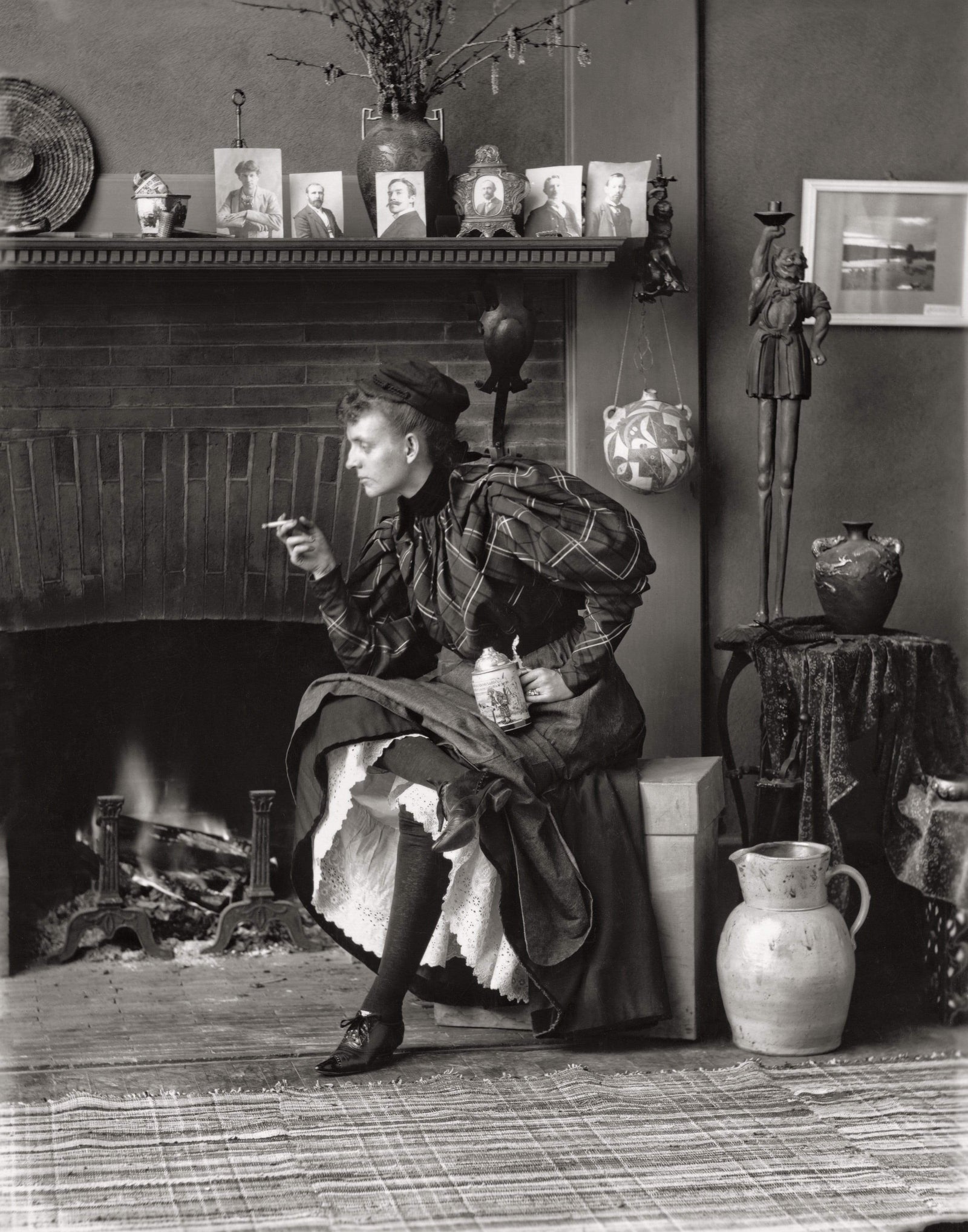

The Fascinating World of Historical Photography
The Fascinating World of Historical Photography
Photography has been a valuable medium of capturing memories and moments in time. Throughout the years, photographs have provided us with a window into the past and a glimpse into the lives of our ancestors. From portraits of Victorian royalty to candid snapshots of everyday life, historical photography has the power to captivate and inspire.
Understanding the Art of Historical Photography
Historical photography is more than just a method of recording history. It is an art form in its own right, with its own techniques, styles, and subjects. From the earliest days of photography, when the process was still in its infancy, photographers have been experimenting and pushing the boundaries of what was possible.
One of the earliest and most influential photographers in history was William Henry Fox Talbot. His invention of the calotype process in the 1830s allowed for the first time the production of photographs in large numbers, making photography a more accessible medium for the masses.
The Impact of Historical Photography on Society
The impact of historical photography on society has been immense. By providing a visual record of the past, historical photography has helped to shape our understanding of history and our place in the world. For example, photographs of the American Civil War gave people a new perspective on the conflict, and allowed them to understand the sacrifices made by those who fought in it.
Photographs have also been used to document social and political movements, providing a powerful tool for change. From the Suffragettes to the Civil Rights Movement, photographs have been used to raise awareness and to inspire action.
The Artistic Significance of Historical Photography
In addition to its historical significance, historical photography also has tremendous artistic value. Photographers have used the medium to create works of art that are both beautiful and thought-provoking. For example, the works of Julia Margaret Cameron, one of the pioneers of portrait photography, are still admired today for their emotive power and artistic merit.
In conclusion, historical photography is a fascinating and essential aspect of our cultural heritage. It provides us with a window into the past, allows us to see the world in new ways, and inspires us to think more deeply about the world around us. Whether you are a historian, an artist, or simply someone who loves looking at beautiful photographs, the world of historical photography has something for everyone.
Leave a comment
Comments will be approved before showing up.
Also in Time Capsule
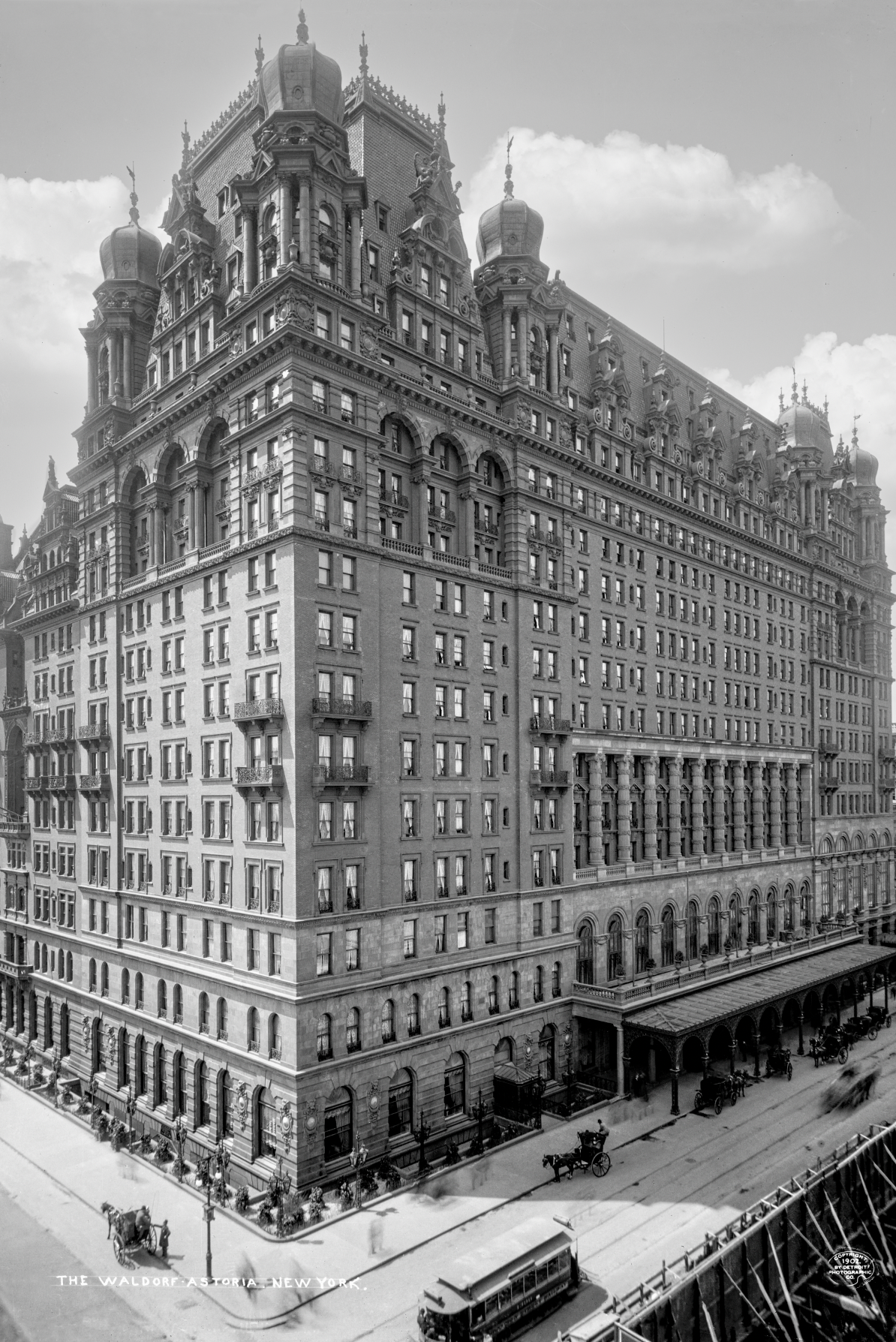

Six New York Landmarks That Changed the Manhattan Skyline
New York's skyline wasn't built overnight. Vintage photographs of Trinity Church, the Plaza, Waldorf-Astoria, Chrysler Building, Empire State Building and Rockefeller Center reveal how Manhattan grew from a city of church steeples and grand hotels into the skyscraper capital of the world.
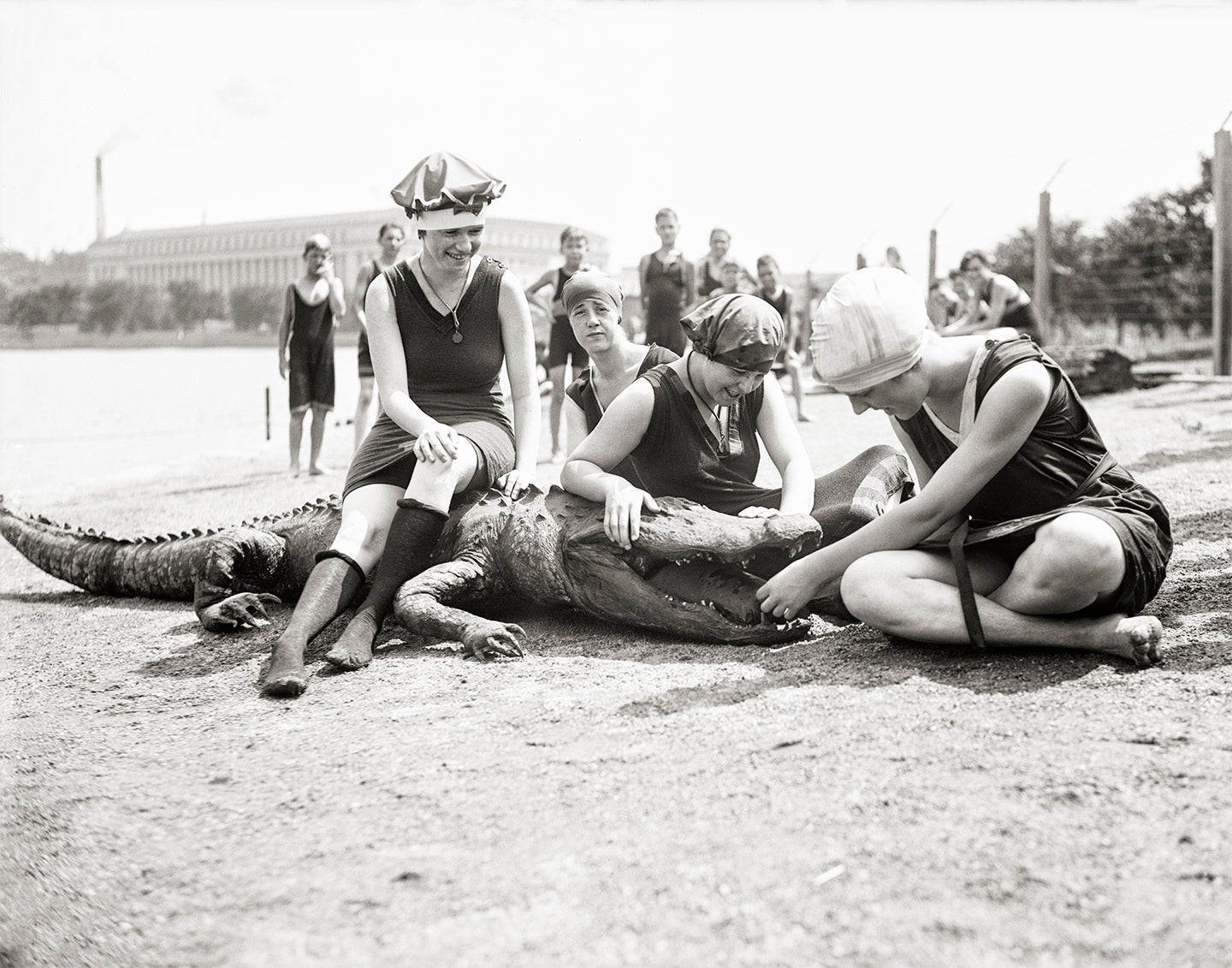

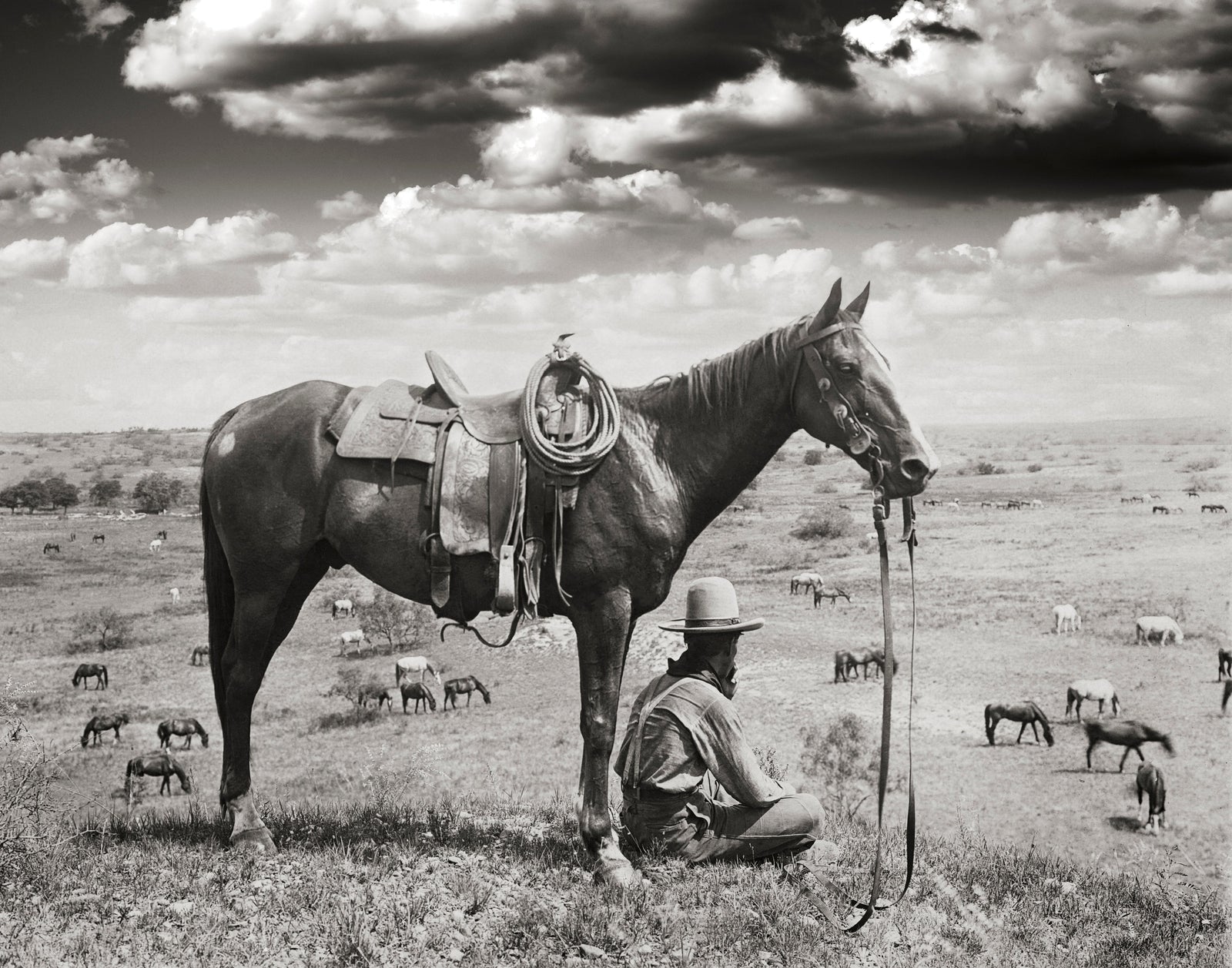

The Old West Never Really Ended
A cowboy on horseback overlooks the Dallas skyline in 1943—an image that seems to capture the Old West and modern America in a single frame. But the cowboy didn't disappear when the frontier closed. Discover how real working cowboys, rodeos, music and Hollywood carried the Old West into the 20th century.
Let customers speak for us
Gems
These short clips are gems. They are part of the history of music in America. Thank you for posting.
S. Kelley Chambers

Love the print and perfect decor for our n...
Love the print and perfect decor for our new apartment in Pittsburgh.
Chris P

5 stars review from Laura
5 stars review from Laura
Laura D

5 stars review from Geri
5 stars review from Geri
Geri L

5 stars review from Stephanie
5 stars review from Stephanie
Stephanie

5 stars review from Brookelynz
5 stars review from Brookelynz
Brookelynz
5 stars review from Deborah
5 stars review from Deborah
Deborah G

Spectacular!
Received as a gift and could not be happier with the quality of the print. Shipping container ensure this arrived in perfect condition.
John

5 stars review from Kayla
5 stars review from Kayla
Kayla G

5 stars review from Blondiee
5 stars review from Blondiee
Blondiee

5 stars review from April
5 stars review from April
April Y

5 stars review from Tracie
5 stars review from Tracie
Tracie C

Great quality and fast delivery!
Great quality and fast delivery!
Amanda C

5 stars review from Autumnrayne4
5 stars review from Autumnrayne4
Autumnrayne4

5 stars review from Traca
5 stars review from Traca
Traca B
