

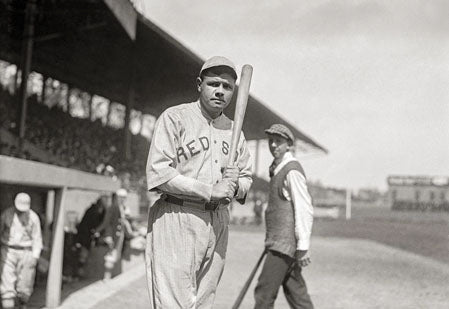

1914 Future Baseball Hall-of-Famers
 1914 Future Baseball Hall of Famers,
Michael Burgan, History Author and playwright

The 1914 Boston Red Sox featured three future members of the Baseball Hall of Fame. Centerfielder Tris Speaker is considered one of best ever at his defensive position, and he led the Sox that year with a .338 batting average. Speaker broke in with the Red Sox in 1907 at age 19 and played nine seasons in Boston before moving to Cleveland, where he continued to excel. Joining Speaker in the outfield was Harry Hooper, who played in right. Along with Leftfielder Duffy Lewis, the three comprised one of baseball’s best outfields for several years. Hooper couldn’t match Speaker’s prowess at the plate, but he amassed almost 2,500 career hits—and he had a song written about him. “Hoop, Hoop, Hooper Up for Red-Sox” encouraged Hooper to “Help the Sox to win the race, help them on from base to base.”
The last of the Hall of Fame trio in 1914 was a rookie pitcher named George Hermann “Babe” Ruth. He only pitched 23 innings that season but still managed to record a 2-1 record. The future home-run champion also got to the plate ten times, managing to hit one single and one double. Ruth would show his worth as a pitcher the next season, compiling an 18-8 record. His four home runs in 1915 were just a small indication of the slugger he would become.
Michael Burgan studied history at the University of Connecticut before embarking on his career of writing about history, current events, geography, science, and more for children. He worked at Weekly Reader for six years before becoming a freelance author. He is a member of Biographers International Organization and edits its monthly newsletter, The Biographer's Craft. A produced playwright, he is also a member of the Dramatists Guild.
Leave a comment
Comments will be approved before showing up.
Also in Time Capsule
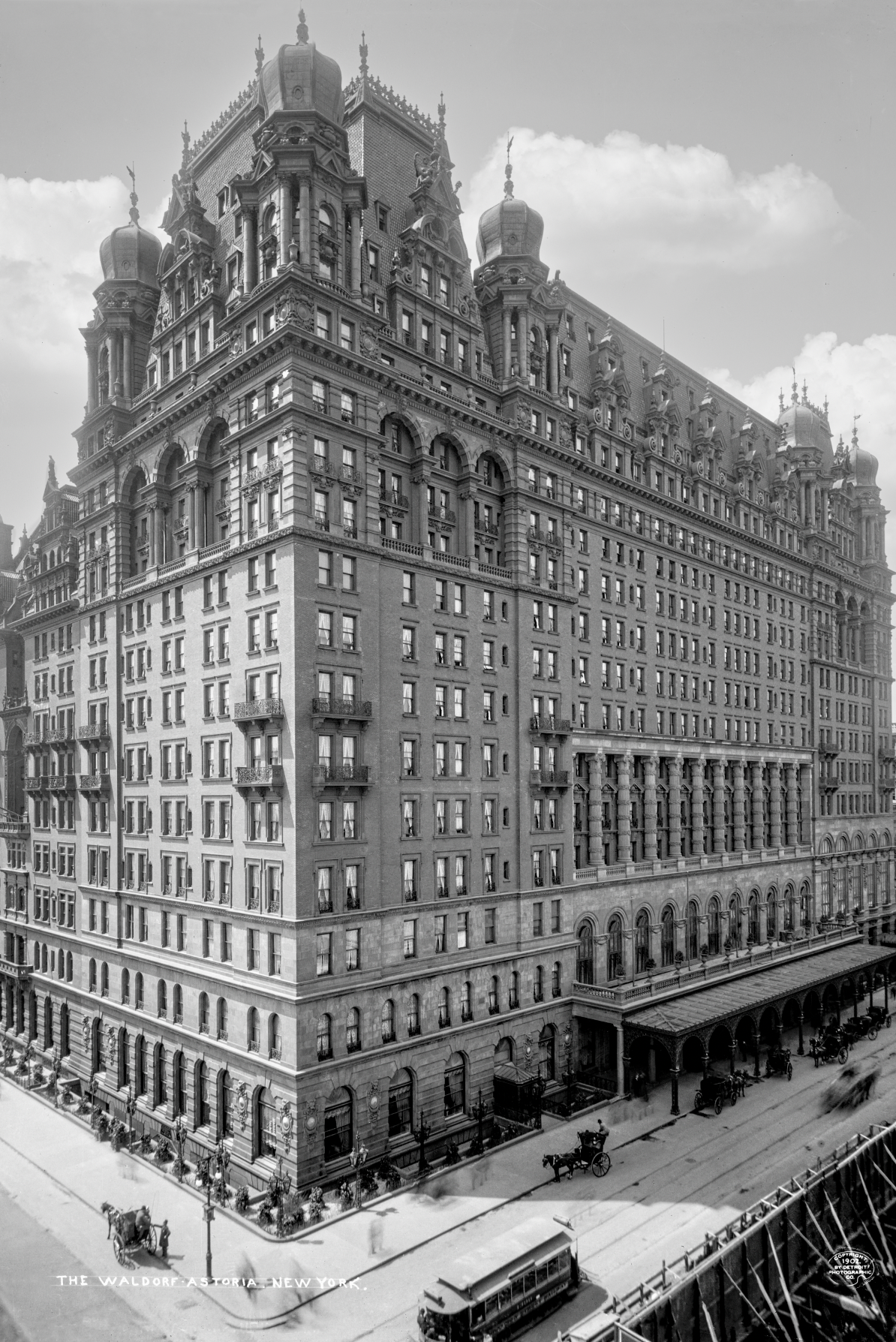

Six New York Landmarks That Changed the Manhattan Skyline
New York's skyline wasn't built overnight. Vintage photographs of Trinity Church, the Plaza, Waldorf-Astoria, Chrysler Building, Empire State Building and Rockefeller Center reveal how Manhattan grew from a city of church steeples and grand hotels into the skyscraper capital of the world.

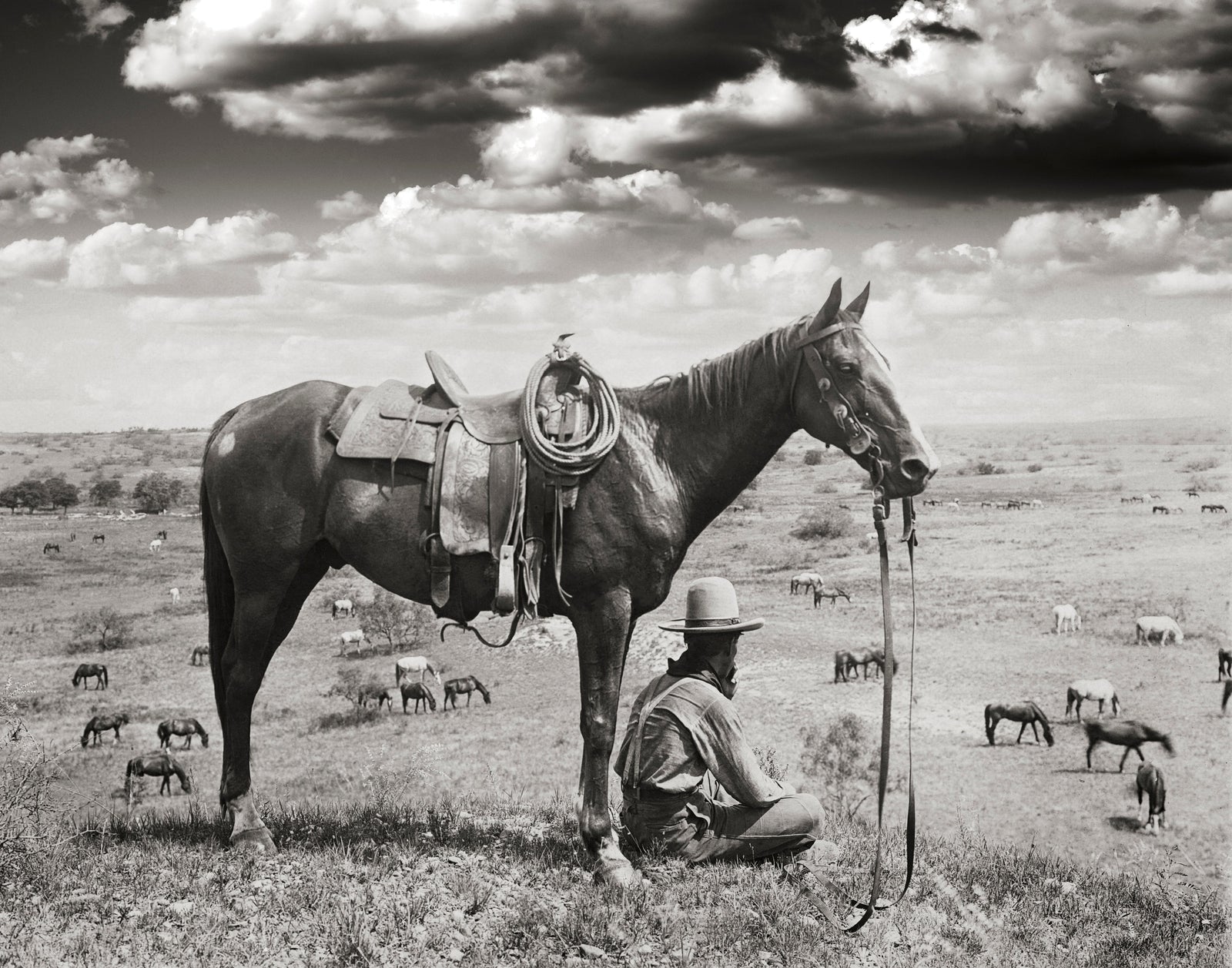

The Old West Never Really Ended
A cowboy on horseback overlooks the Dallas skyline in 1943—an image that seems to capture the Old West and modern America in a single frame. But the cowboy didn't disappear when the frontier closed. Discover how real working cowboys, rodeos, music and Hollywood carried the Old West into the 20th century.
Let customers speak for us
Gems
These short clips are gems. They are part of the history of music in America. Thank you for posting.
S. Kelley Chambers

Love the print and perfect decor for our n...
Love the print and perfect decor for our new apartment in Pittsburgh.
Chris P

5 stars review from Laura
5 stars review from Laura
Laura D

5 stars review from Geri
5 stars review from Geri
Geri L

5 stars review from Stephanie
5 stars review from Stephanie
Stephanie

5 stars review from Brookelynz
5 stars review from Brookelynz
Brookelynz
5 stars review from Deborah
5 stars review from Deborah
Deborah G

Spectacular!
Received as a gift and could not be happier with the quality of the print. Shipping container ensure this arrived in perfect condition.
John

5 stars review from Kayla
5 stars review from Kayla
Kayla G

5 stars review from Blondiee
5 stars review from Blondiee
Blondiee

5 stars review from April
5 stars review from April
April Y

5 stars review from Tracie
5 stars review from Tracie
Tracie C

Great quality and fast delivery!
Great quality and fast delivery!
Amanda C

5 stars review from Autumnrayne4
5 stars review from Autumnrayne4
Autumnrayne4

5 stars review from Traca
5 stars review from Traca
Traca B
