

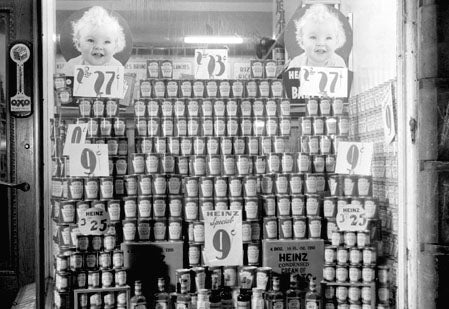

The Marketing Genius of H. J. Heinz

The Marketing Genius of H. J. Heinz
Michael Burgan, History Author and playwright
During the last few years of the 1890s, H. J. Heinz repeatedly showed his genius for promoting his company. While visiting New York City in 1896, he saw a sign advertising “21 styles of shoes.” He thought of the many different foods he sold. He knew there were more than sixty. But for some reason, he thought the number fifty-seven sounded right. Instantly, Henry knew he had a new slogan for his company: “Heinz 57 Varieties.” He later wrote, “Within a week, the sign of the green pickle with the ‘57 Varieties’ was appearing in newspapers, on billboards, signboards, and everywhere else I could find a place to stick it.” The phrase “Heinz 57” was even spelled out in concrete blocks on several hills across the country.
Heinz, though, didn’t want people to merely see his company name and slogan. He wanted them to learn just how special his foods were and give people a fun way to sample and buy them. In 1898, he bought a pier in Atlantic City, New Jersey. The seaside resort drew visitors to its beach and the famous wooden boardwalk built on top of it. Henry’s pier jutted out almost 900 feet from the boardwalk into the ocean. At the near end of the pier was a building where tourists could sit and read magazines or newspapers, while surrounded by samples of Heinz products. The rooms were also decorated with art.
At the far end of the pier sat a larger building with huge windows that looked over the ocean. It had a hall where visitors listened to talks about the Heinz company and its many operations. Tourists could even place orders for Heinz foods that would be delivered to their homes. During the summer, 15,000 people might visit the Heinz Pier each day. Even people who didn’t walk out onto the pier couldn’t miss the huge electric sign that sat on top of the larger building. It said simply “57.”
Tourists who came to Pittsburgh could see the Heinz factory in operation for themselves. Among U.S. industrialists, Henry was the first to open up his plant to visitors. He wanted people to see how clean and modern the factory was, so they would know they were getting the best food possible. Visitors got to taste samples and received a Heinz pickle pin. By 1900, 20,000 visitors took the factory tour each year.
That year, Henry continued his flair for advertising and his interest in the latest technology when he erected the first electric sign in New York City. More than 1,000 lights flashed an ad for his Atlantic City pier, along with his famous “57 Varieties” slogan. Henry was also the first person to use electric vehicles in the city of Pittsburgh. And like the horse-drawn wagons and railroad cars his company used, they proudly displayed the Heinz name.
At the dawn of the 20th century, the H. J. Heinz Company was the largest food processing company in the United States. It sold more than 200 products, and people across the company knew and trusted the Heinz brand name.
Michael Burgan studied history at the University of Connecticut before embarking on his career of writing about history, current events, geography, science, and more for children. He worked at Weekly Reader for six years before becoming a freelance author. He is a member of Biographers International Organization and edits its monthly newsletter, The Biographer's Craft. A produced playwright, he is also a member of the Dramatists Guild.
Leave a comment
Comments will be approved before showing up.
Also in Time Capsule
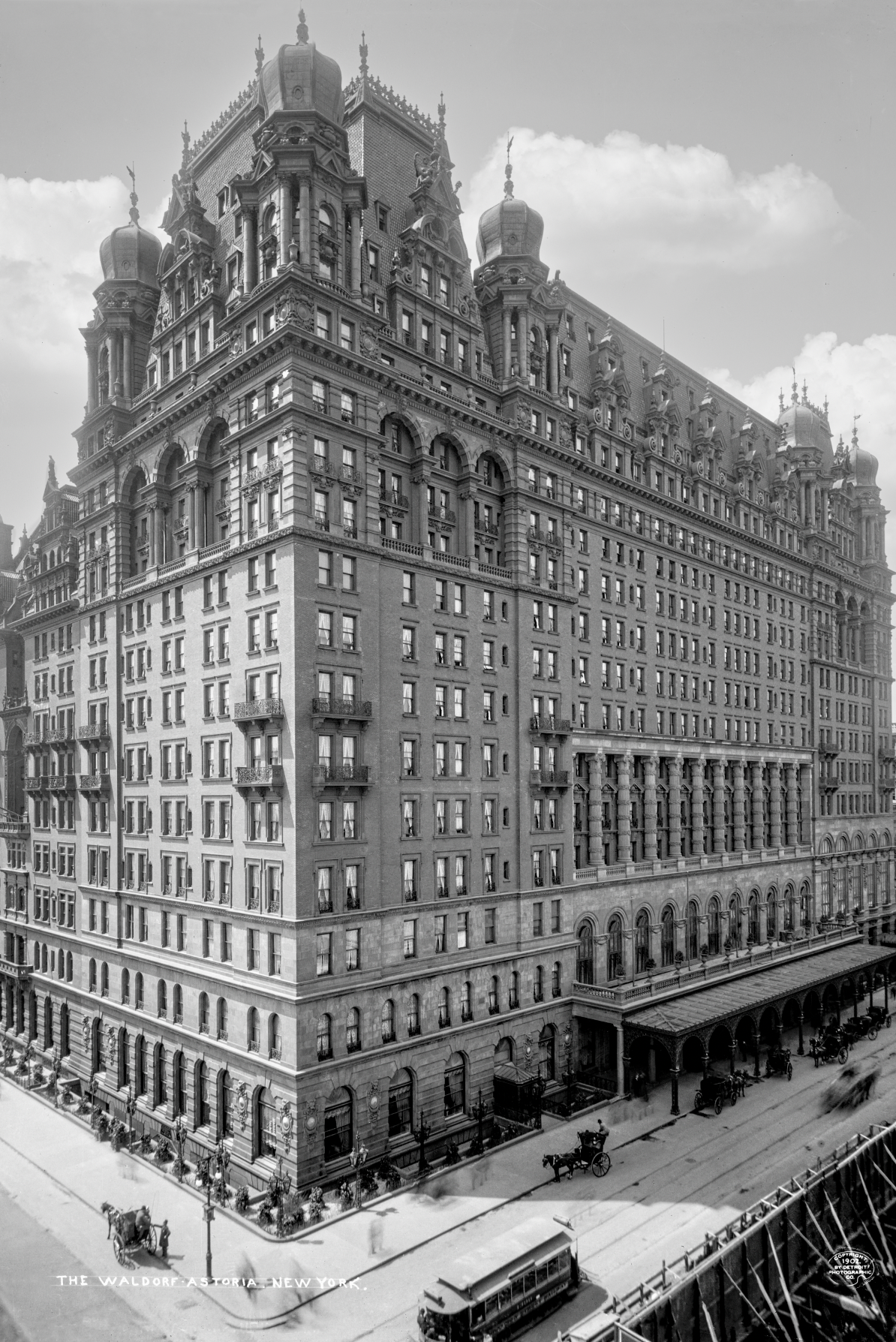

Six New York Landmarks That Changed the Manhattan Skyline
New York's skyline wasn't built overnight. Vintage photographs of Trinity Church, the Plaza, Waldorf-Astoria, Chrysler Building, Empire State Building and Rockefeller Center reveal how Manhattan grew from a city of church steeples and grand hotels into the skyscraper capital of the world.

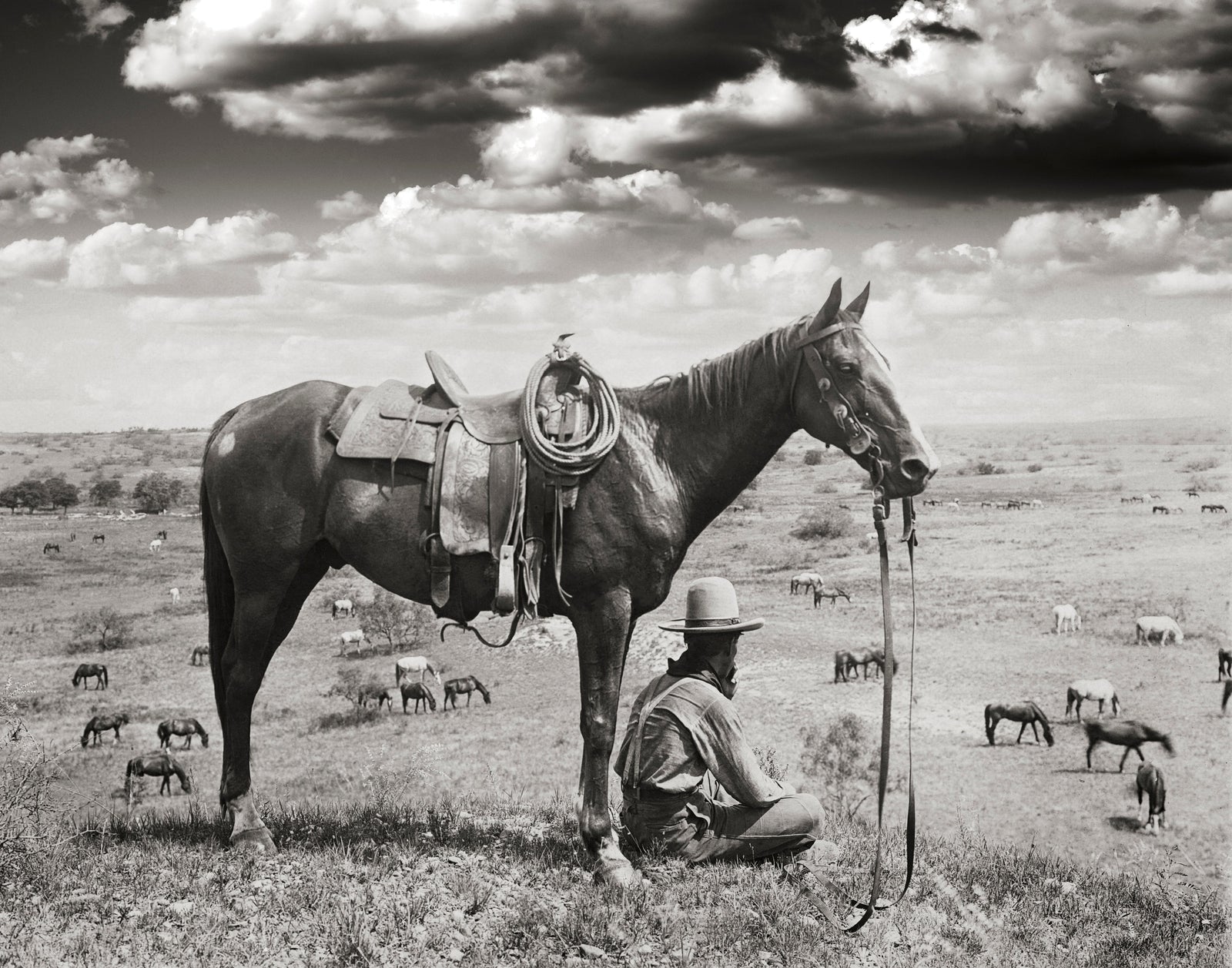

The Old West Never Really Ended
A cowboy on horseback overlooks the Dallas skyline in 1943—an image that seems to capture the Old West and modern America in a single frame. But the cowboy didn't disappear when the frontier closed. Discover how real working cowboys, rodeos, music and Hollywood carried the Old West into the 20th century.
Let customers speak for us
Gems
These short clips are gems. They are part of the history of music in America. Thank you for posting.
S. Kelley Chambers

Love the print and perfect decor for our n...
Love the print and perfect decor for our new apartment in Pittsburgh.
Chris P

5 stars review from Laura
5 stars review from Laura
Laura D

5 stars review from Geri
5 stars review from Geri
Geri L

5 stars review from Stephanie
5 stars review from Stephanie
Stephanie

5 stars review from Brookelynz
5 stars review from Brookelynz
Brookelynz
5 stars review from Deborah
5 stars review from Deborah
Deborah G

Spectacular!
Received as a gift and could not be happier with the quality of the print. Shipping container ensure this arrived in perfect condition.
John

5 stars review from Kayla
5 stars review from Kayla
Kayla G

5 stars review from Blondiee
5 stars review from Blondiee
Blondiee

5 stars review from April
5 stars review from April
April Y

5 stars review from Tracie
5 stars review from Tracie
Tracie C

Great quality and fast delivery!
Great quality and fast delivery!
Amanda C

5 stars review from Autumnrayne4
5 stars review from Autumnrayne4
Autumnrayne4

5 stars review from Traca
5 stars review from Traca
Traca B
