


The Pliers and Screwdriver Man
 The Pliers and Screwdriver Man
Michael Burgan, History Author and playwright

Though educated in electrical and mechanical engineering, Charles Kettering saw himself as a tinkerer. “I’m a pliers and screwdriver man,” he said, “not a theory man.” Combining a faith in practical technology with a can-do spirit, Kettering held 140 patents and revolutionized the auto industry by inventing the electric starter.
Kettering began his engineering career in 1905, with the National Cash Register Company, where he helped create the first electric cash register. He also worked on projects in his spare time and soon formed his own company, Dayton Engineering Laboratories Company, or Delco. At Delco, Kettering designed products for the automotive industry. He developed a battery-powered ignition and better lights. But his greatest breakthrough was the electric starter. Until then, drivers had to stand outside and crank a handle to start their cars. Kettering’s starter was safe and easy to use, and it quickly helped gas-powered cars surpass the popularity of electric- and steam-powered automobiles.
Kettering and his company became part of General Motors in 1916, and Kettering became head of GM’s research laboratory. In that role, he helped create quick-drying auto paint and more powerful engines. He also helped design the first diesel locomotive. Even after retiring from GM in 1947, Kettering remained active in research and promoted the potential of American industry and technology.
Did you know...
In 1945, Charles Kettering and former General Motors’ chairman Alfred Sloan founded the Sloan-Kettering Institute for Cancer Research. The New York center is a world leader in cancer research.
Michael Burgan studied history at the University of Connecticut before embarking on his career of writing about history, current events, geography, science, and more for children. He worked at Weekly Reader for six years before becoming a freelance author. He is a member of Biographers International Organization and edits its monthly newsletter, The Biographer's Craft. A produced playwright, he is also a member of the Dramatists Guild.
Leave a comment
Comments will be approved before showing up.
Also in Time Capsule
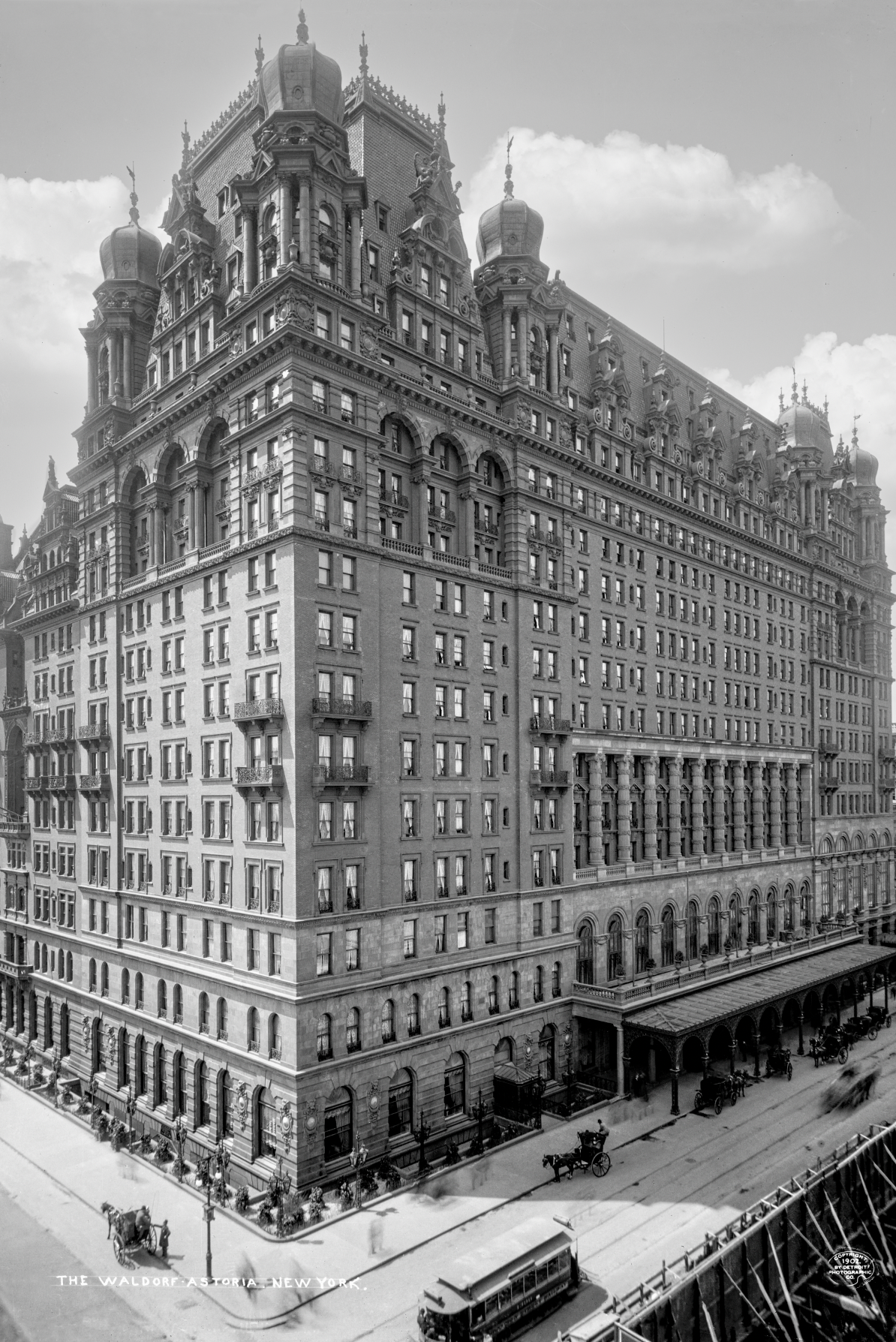

Six New York Landmarks That Changed the Manhattan Skyline
New York's skyline wasn't built overnight. Vintage photographs of Trinity Church, the Plaza, Waldorf-Astoria, Chrysler Building, Empire State Building and Rockefeller Center reveal how Manhattan grew from a city of church steeples and grand hotels into the skyscraper capital of the world.

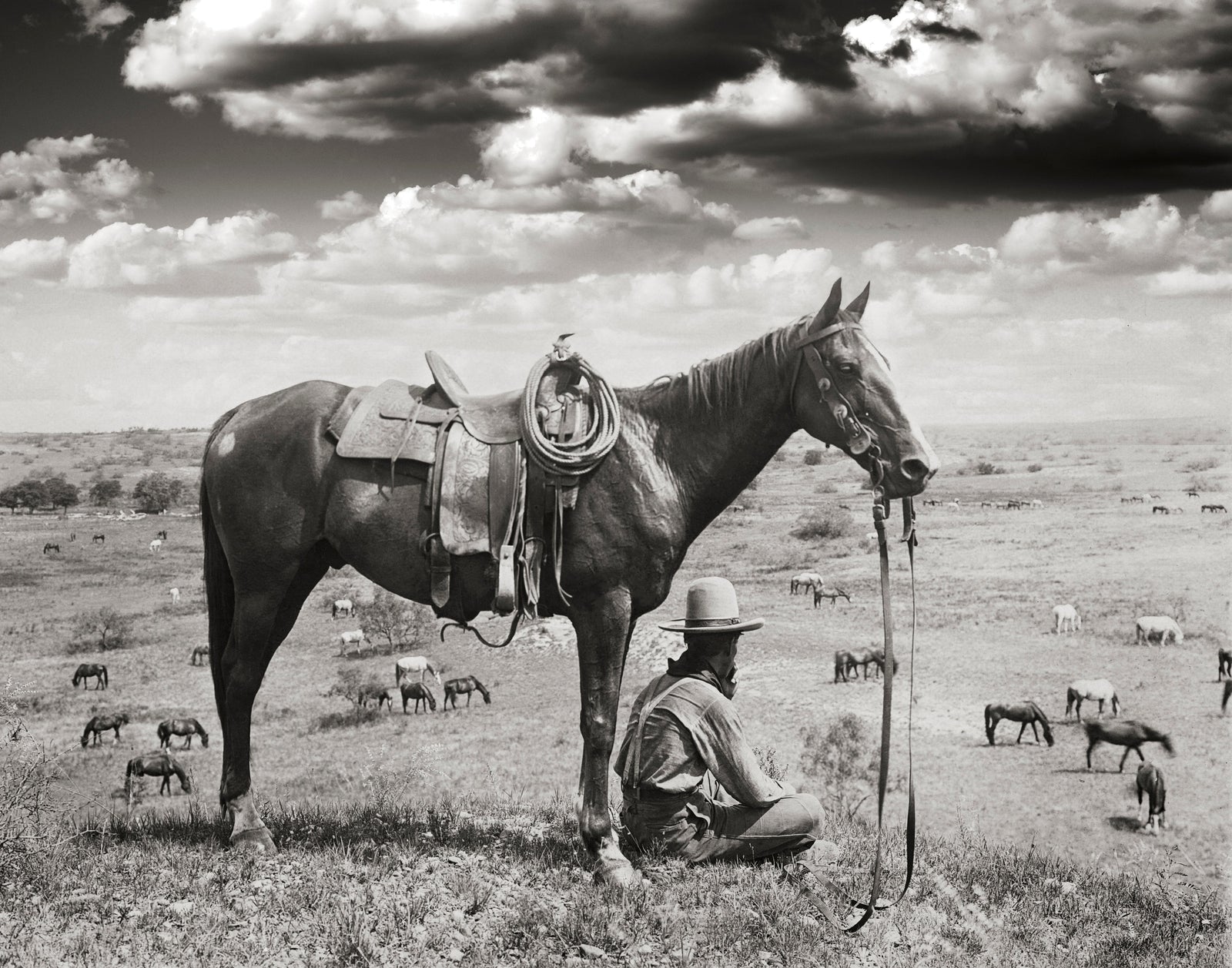

The Old West Never Really Ended
A cowboy on horseback overlooks the Dallas skyline in 1943—an image that seems to capture the Old West and modern America in a single frame. But the cowboy didn't disappear when the frontier closed. Discover how real working cowboys, rodeos, music and Hollywood carried the Old West into the 20th century.
Let customers speak for us
Gems
These short clips are gems. They are part of the history of music in America. Thank you for posting.
S. Kelley Chambers

Love the print and perfect decor for our n...
Love the print and perfect decor for our new apartment in Pittsburgh.
Chris P

5 stars review from Laura
5 stars review from Laura
Laura D

5 stars review from Geri
5 stars review from Geri
Geri L

5 stars review from Stephanie
5 stars review from Stephanie
Stephanie

5 stars review from Brookelynz
5 stars review from Brookelynz
Brookelynz
5 stars review from Deborah
5 stars review from Deborah
Deborah G

Spectacular!
Received as a gift and could not be happier with the quality of the print. Shipping container ensure this arrived in perfect condition.
John

5 stars review from Kayla
5 stars review from Kayla
Kayla G

5 stars review from Blondiee
5 stars review from Blondiee
Blondiee

5 stars review from April
5 stars review from April
April Y

5 stars review from Tracie
5 stars review from Tracie
Tracie C

Great quality and fast delivery!
Great quality and fast delivery!
Amanda C

5 stars review from Autumnrayne4
5 stars review from Autumnrayne4
Autumnrayne4

5 stars review from Traca
5 stars review from Traca
Traca B
