

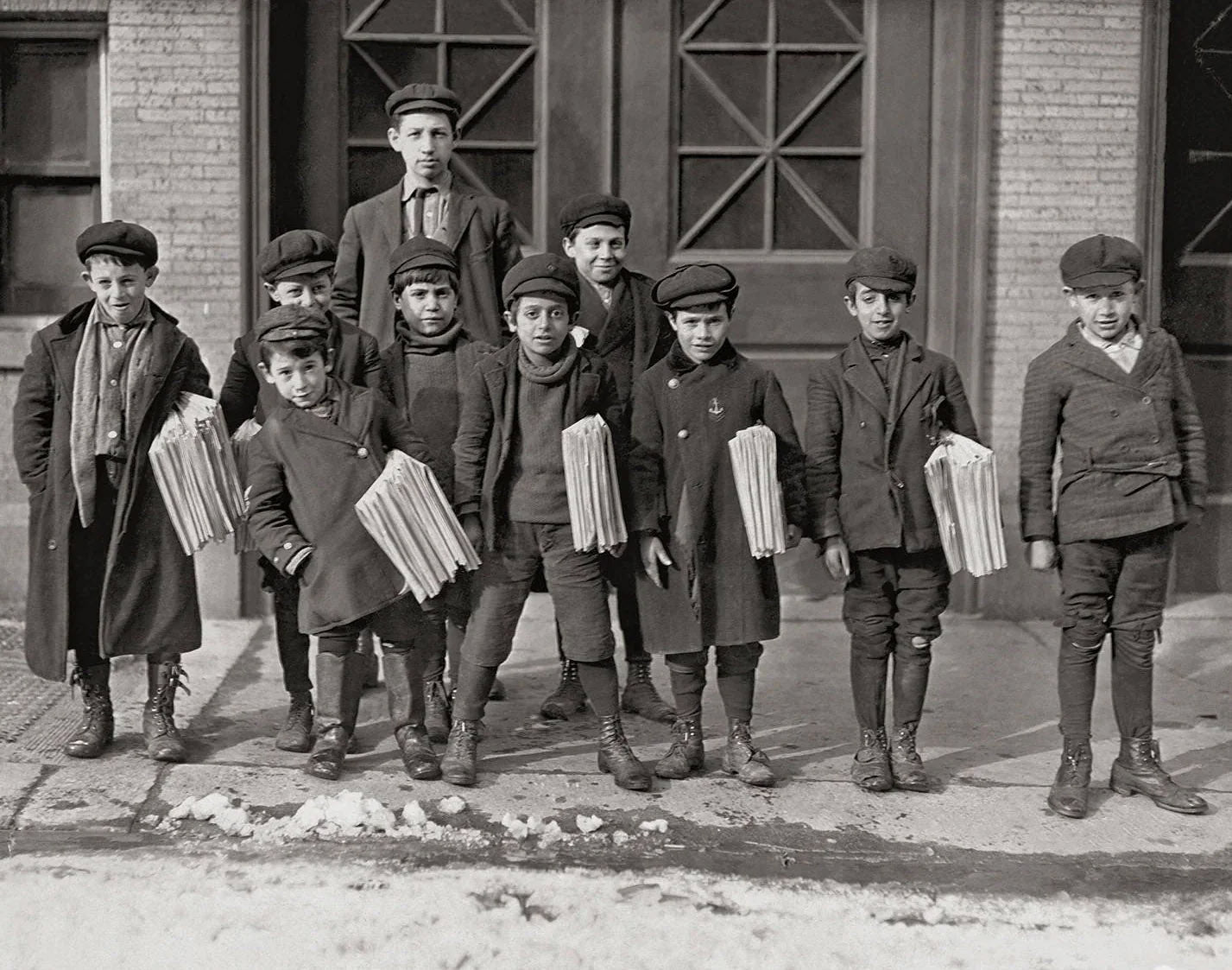

Freedom of the Press: Constitutional Promise and Persistent Struggles
The First Amendment to the United States Constitution provides a clear legal foundation for press freedom: “Congress shall make no law … abridging the freedom of speech, or of the press.” This protection was adopted in 1791 as part of the Bill of Rights to ensure a free and independent press could criticize government and inform the citizenry without fear of repression.
Despite this firm constitutional guarantee, the relationship between the U.S. government and the press has at times been marked by tension and attempts to limit journalistic speech, especially in periods of perceived national crisis or political polarization.
Early Federal Suppression: The Alien and Sedition Acts
One of the earliest examples of government efforts to silence critical voices came just seven years after the Bill of Rights was adopted. In 1798, Congress passed the Alien and Sedition Acts, and the Sedition Act made it a crime to publish “false, scandalous and malicious writing” about the government. These laws were widely used to punish editors who criticized President John Adams’s administration. Although unpopular and later allowed to expire, the acts represented a stark clash between government power and press freedom in the young republic.
Wartime Restrictions and Government Power
During major wars, the U.S. government has sometimes expanded its authority in ways that affected the press. In World War I, the Espionage Act of 1917 and its 1918 Sedition Act amendments punished criticism of the federal government and military, and the Supreme Court upheld parts of these laws under standards like “clear and present danger.” These measures were aimed at suppressing dissent but had the effect of chilling critical journalism as well.
Likewise, in the Civil War era, President Abraham Lincoln used emergency powers to restrict newspapers perceived as sympathetic to the Confederacy. In some cases, editors were jailed or banished, illustrating how wartime priorities have historically overridden civil liberties.
Judicial Responses and Press Protection
Over the 20th century, several key Supreme Court decisions reaffirmed press freedoms and limited government interference. Decisions such as Near v. Minnesota (1931) rejected prior restraints on publication, and New York Times Co. v. United States (1971) upheld the right to publish the Pentagon Papers — classified documents about the Vietnam War — against government efforts to block their release.
Yet the courts have not always been absolute in their protections. In Branzburg v. Hayes (1972), the Supreme Court ruled that reporters do not have a special constitutional privilege to refuse to testify before grand juries, even if doing so might expose confidential sources — a decision still debated among press advocates.
Modern Press Freedom Challenges
In recent years, concerns about government overreach and press freedom have resurfaced. The U.S. Press Freedom Tracker, established to document incidents where journalists are stopped, arrested, or have equipment seized, reflects a sense among many journalists that their work is increasingly risky — even in a country with First Amendment protections.
Federal prosecutions and legal pressures have also sparked debate. The prosecution of WikiLeaks founder Julian Assange under the Espionage Act — first initiated during the Trump administration and continued under President Biden — has drawn criticism from press freedom advocates who argue that attempting to criminalize the publication of classified information could set a precedent threatening conventional journalists covering national security matters.
Independent journalists, too, have felt pressure. In early 2026, the arrest and charging of journalists covering protests sparked widespread concern about the balance between law enforcement and press freedom, with civil liberties groups calling such actions “intimidation” and “government overreach.”
Access Restrictions and Government Control
Beyond arrests and prosecutions, there have been instances of administrative actions seen as restricting journalistic access. A recently implemented Pentagon policy required reporters to pledge not to obtain “unauthorized” information — even if unclassified — and threatened to revoke press credentials if they did not comply. Critics labeled this move an attempt to control what journalists can report from within military institutions.
Similarly, major news organizations have taken legal action against government policies they argue unlawfully restrict access and punish independent reporting. For example, The New York Times filed a lawsuit challenging a Pentagon credentialing policy that it said violated First Amendment rights by conditioning press access on prior approval of published material.
Tension Between Principle and Practice
What emerges from these episodes is a persistent tension between constitutional ideals and government actions. The press’s watchdog role — exposing corruption, informing the public, holding power to account — has at times put it at odds with governments seeking to control the flow of sensitive information or manage narratives around national security and public order.
Legal scholars emphasize that while the First Amendment broadly prohibits government censorship, interpreting its boundaries has been a long and ongoing struggle, especially as technological change and political polarization reshape media and public discourse.
In sum, while the United States has some of the strongest legal protections for press freedom in the world, the history of government efforts to limit, punish, or strategically suppress journalists shows that those freedoms are not self-executing. They require constant vigilance, legal advocacy, and public support to ensure that a free press — and the information it provides — continues to function as a pillar of democratic society.
Leave a comment
Comments will be approved before showing up.
Also in Time Capsule
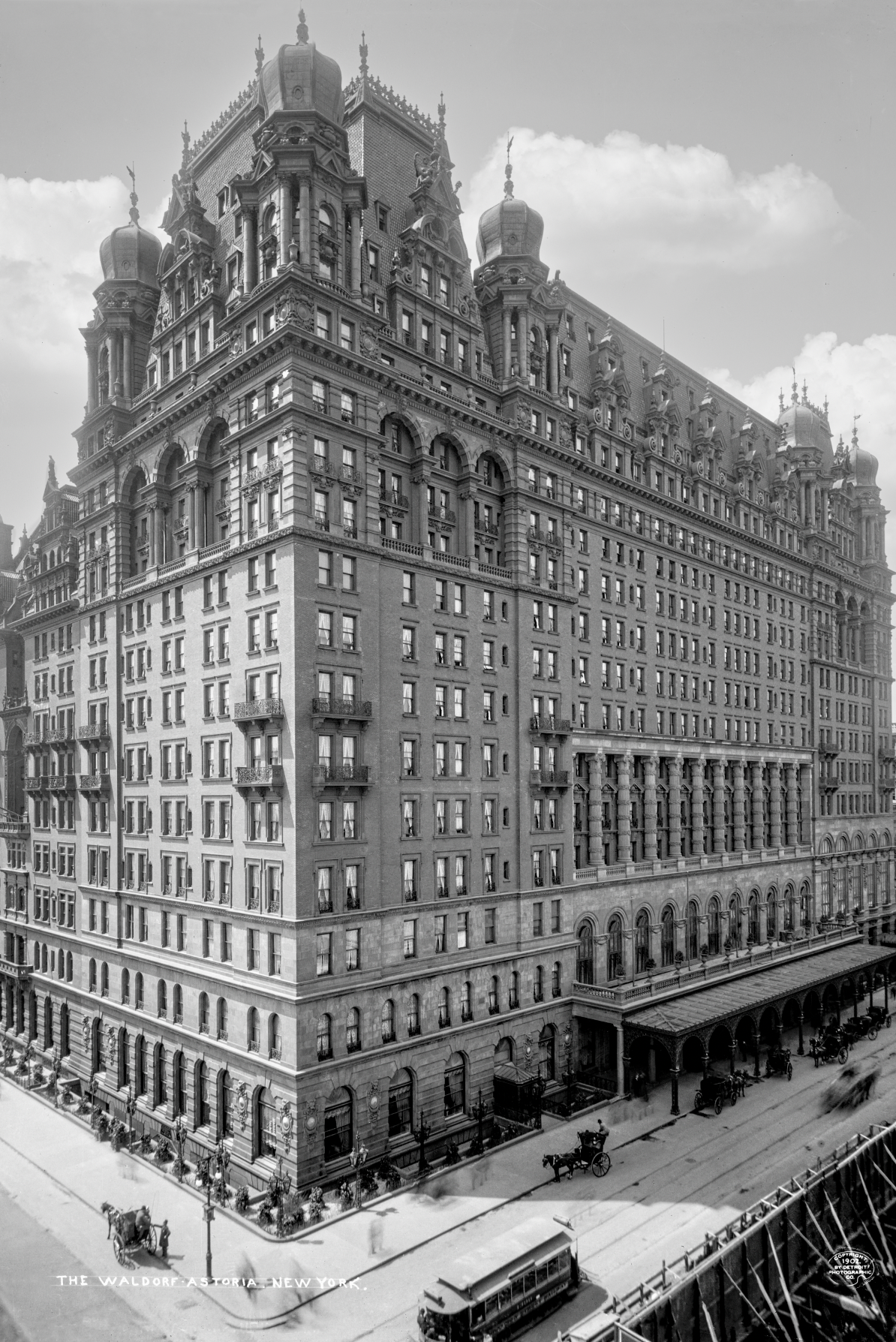

Six New York Landmarks That Changed the Manhattan Skyline
New York's skyline wasn't built overnight. Vintage photographs of Trinity Church, the Plaza, Waldorf-Astoria, Chrysler Building, Empire State Building and Rockefeller Center reveal how Manhattan grew from a city of church steeples and grand hotels into the skyscraper capital of the world.
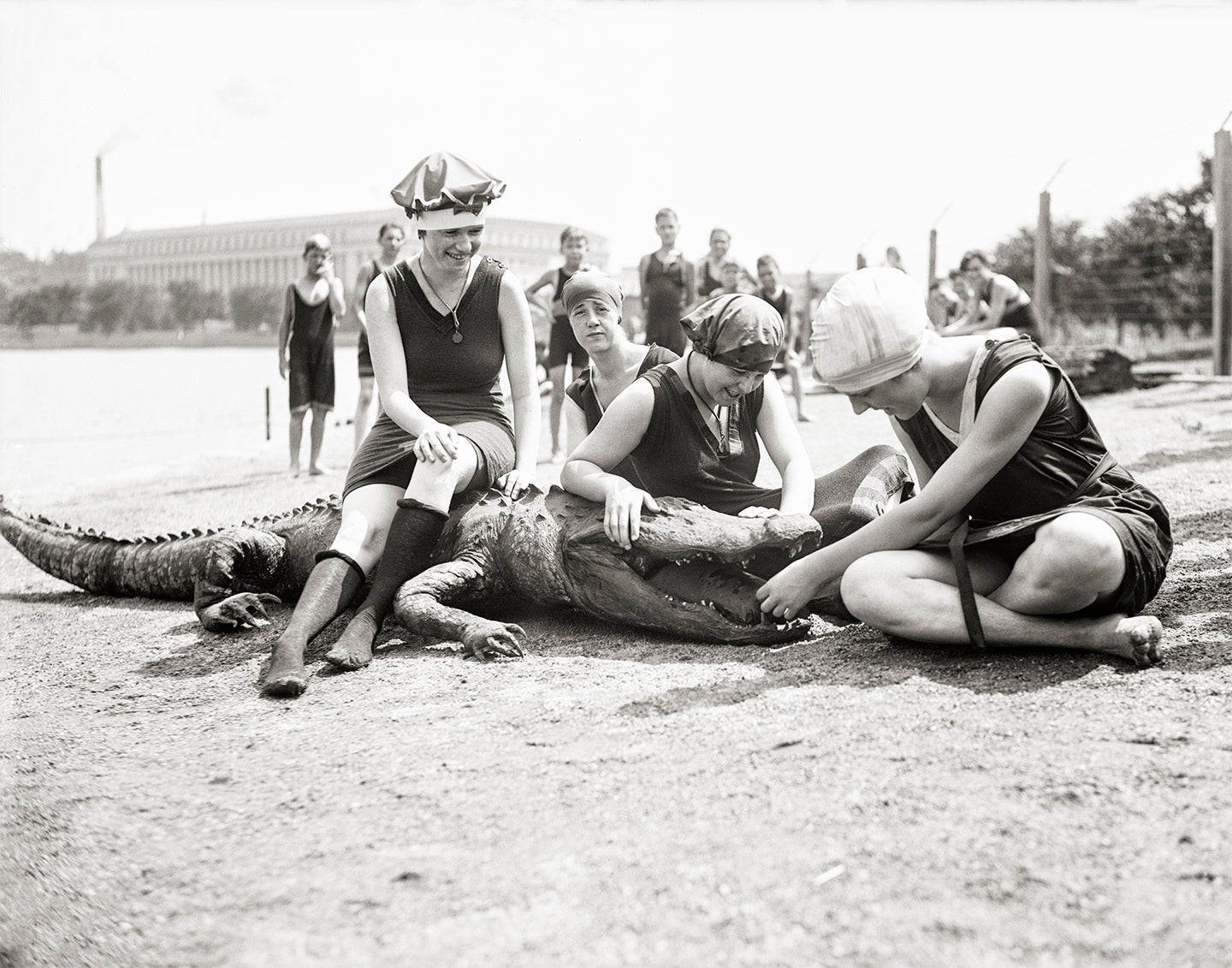

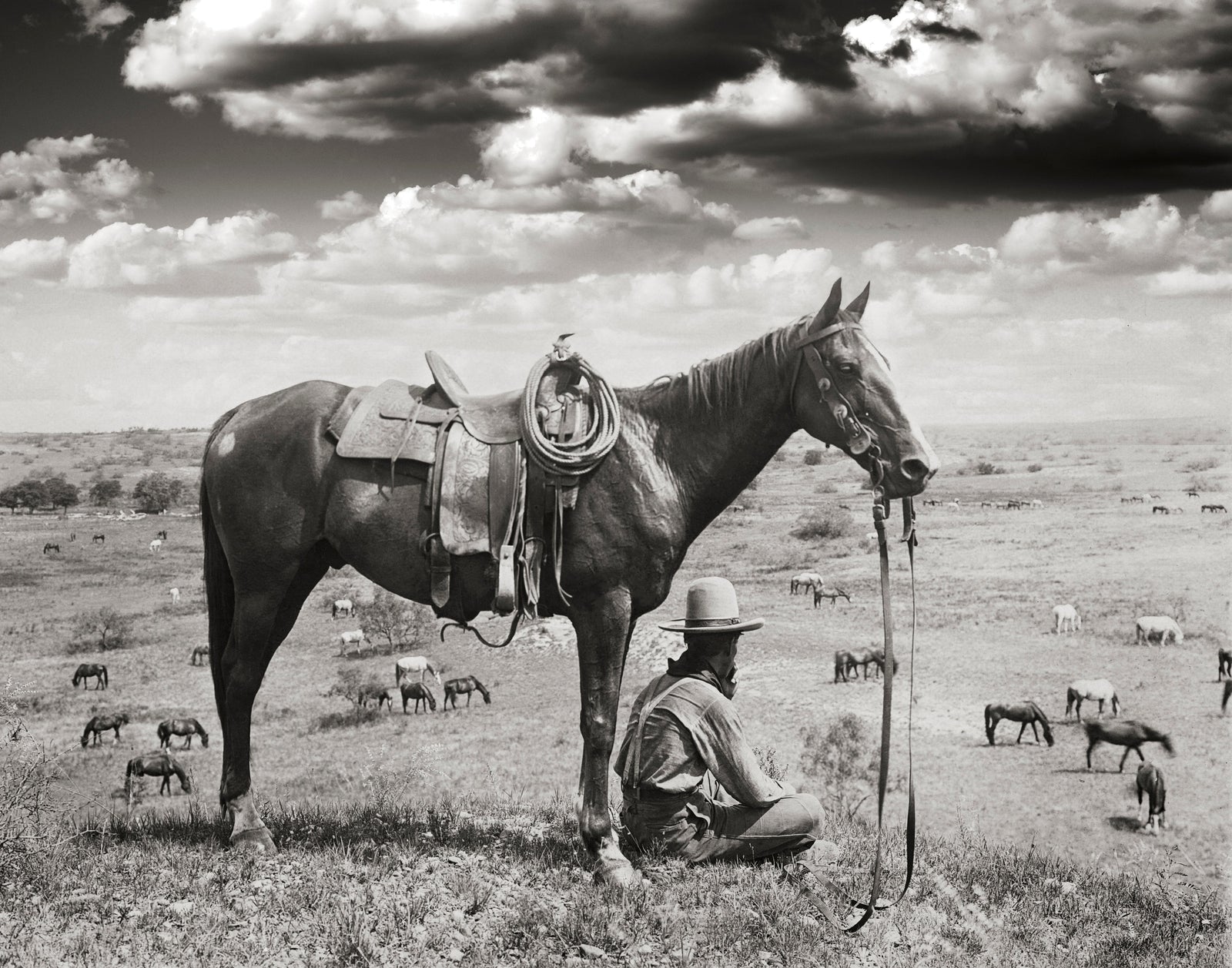

The Old West Never Really Ended
A cowboy on horseback overlooks the Dallas skyline in 1943—an image that seems to capture the Old West and modern America in a single frame. But the cowboy didn't disappear when the frontier closed. Discover how real working cowboys, rodeos, music and Hollywood carried the Old West into the 20th century.
Let customers speak for us
Gems
These short clips are gems. They are part of the history of music in America. Thank you for posting.
S. Kelley Chambers

Love the print and perfect decor for our n...
Love the print and perfect decor for our new apartment in Pittsburgh.
Chris P

5 stars review from Laura
5 stars review from Laura
Laura D

5 stars review from Geri
5 stars review from Geri
Geri L

5 stars review from Stephanie
5 stars review from Stephanie
Stephanie

5 stars review from Brookelynz
5 stars review from Brookelynz
Brookelynz
5 stars review from Deborah
5 stars review from Deborah
Deborah G

Spectacular!
Received as a gift and could not be happier with the quality of the print. Shipping container ensure this arrived in perfect condition.
John

5 stars review from Kayla
5 stars review from Kayla
Kayla G

5 stars review from Blondiee
5 stars review from Blondiee
Blondiee

5 stars review from April
5 stars review from April
April Y

5 stars review from Tracie
5 stars review from Tracie
Tracie C

Great quality and fast delivery!
Great quality and fast delivery!
Amanda C

5 stars review from Autumnrayne4
5 stars review from Autumnrayne4
Autumnrayne4

5 stars review from Traca
5 stars review from Traca
Traca B
