


Historical Discrimination Against Immigrants By The US Government
The United States has long described itself as a nation of immigrants, a country shaped by people who arrived from elsewhere in search of opportunity, safety, or freedom. This narrative is deeply ingrained in American identity. Yet running alongside it is a parallel history—one in which the American government has repeatedly used law, policy, and enforcement to discriminate against immigrants based on race, religion, nationality, class, and political belief. This discrimination has not been accidental or isolated. It has been codified into law, upheld by courts, and enforced by federal, state, and local authorities, often during moments of fear, war, or economic uncertainty.
Understanding this history requires examining how exclusion has been embedded into American governance from the beginning.
Race and Citizenship in the Early Republic
The foundations of immigration discrimination were laid almost immediately after the country’s founding. The Naturalization Act of 1790 restricted citizenship to “free White persons” of good moral character. This definition explicitly excluded enslaved Africans, free Black people, Indigenous peoples, Asian immigrants, and later many immigrants from Latin America and the Middle East. Citizenship, the most basic marker of belonging, was racially defined.
For more than 160 years, this framework shaped who could legally become American. Even when later constitutional amendments expanded rights, the racial hierarchy established in early citizenship law influenced court rulings, administrative practices, and social policy. Belonging in the United States was not determined by contribution, residence, or loyalty, but by whiteness.
Nineteenth-Century Immigration and Unequal Treatment
In the mid-nineteenth century, mass immigration from Europe tested this racialized framework. Irish immigrants fleeing famine in the 1840s arrived in large numbers and quickly encountered hostility. Although legally permitted to enter the country, they faced discrimination that government institutions often tolerated or reinforced. Public-sector employment was limited, discriminatory hiring practices were widespread, and political movements sought to reduce Catholic influence in civic life.
Violence against Irish communities was frequently ignored by authorities, and social exclusion was treated as acceptable. The Irish experience revealed a recurring American pattern: legal admission into the country did not guarantee protection, dignity, or equality under the law.
The Chinese Exclusion Act and Race-Based Immigration Law
In 1882, immigration discrimination became explicit federal policy with the passage of the Chinese Exclusion Act. This was the first law in U.S. history to ban immigration based solely on race and nationality. Chinese laborers, many of whom had played a crucial role in building railroads and sustaining western economies, were barred from entering the country, denied the right to naturalize, and subjected to constant surveillance if they remained.
Chinese residents were required to carry documentation proving their legal status, effectively creating an early internal passport system. Families were separated for generations, and Chinese communities were rendered permanently vulnerable. Although the law was repealed in 1943, its significance endured. It established the principle that the federal government could exclude an entire ethnic group in the name of national interest.
Quotas, Asian Exclusion, and Demographic Engineering
In the early twentieth century, exclusion expanded beyond Chinese immigrants. A series of laws restricted immigration from Asia almost entirely and imposed quotas on immigrants from Southern and Eastern Europe. Measures such as the “Asiatic Barred Zone” prevented immigration from vast regions of the world, while national origins quotas were designed to preserve a White, Northern European majority.
Asian immigrants were also denied land ownership and citizenship regardless of how long they had lived in the United States. Immigration policy became a tool not just for regulating entry, but for shaping the nation’s racial and cultural makeup. Families were separated, communities stagnated, and citizenship remained racially contingent.
Economic Fear and Mexican Repatriation
The Great Depression intensified discriminatory practices, particularly against Mexican and Mexican American communities. During the 1930s, federal, state, and local governments coordinated what became known as Mexican Repatriation. Up to one million people of Mexican descent were deported or coerced into leaving the country.
An estimated sixty percent of those removed were United States citizens. There were no formal hearings, no meaningful due process, and little regard for legal status. Families were torn apart, homes and businesses were abandoned, and livelihoods were destroyed. Economic anxiety was used to justify racial targeting, reinforcing the idea that immigrant communities could be expelled when politically expedient.
Wartime Incarceration of Japanese Americans
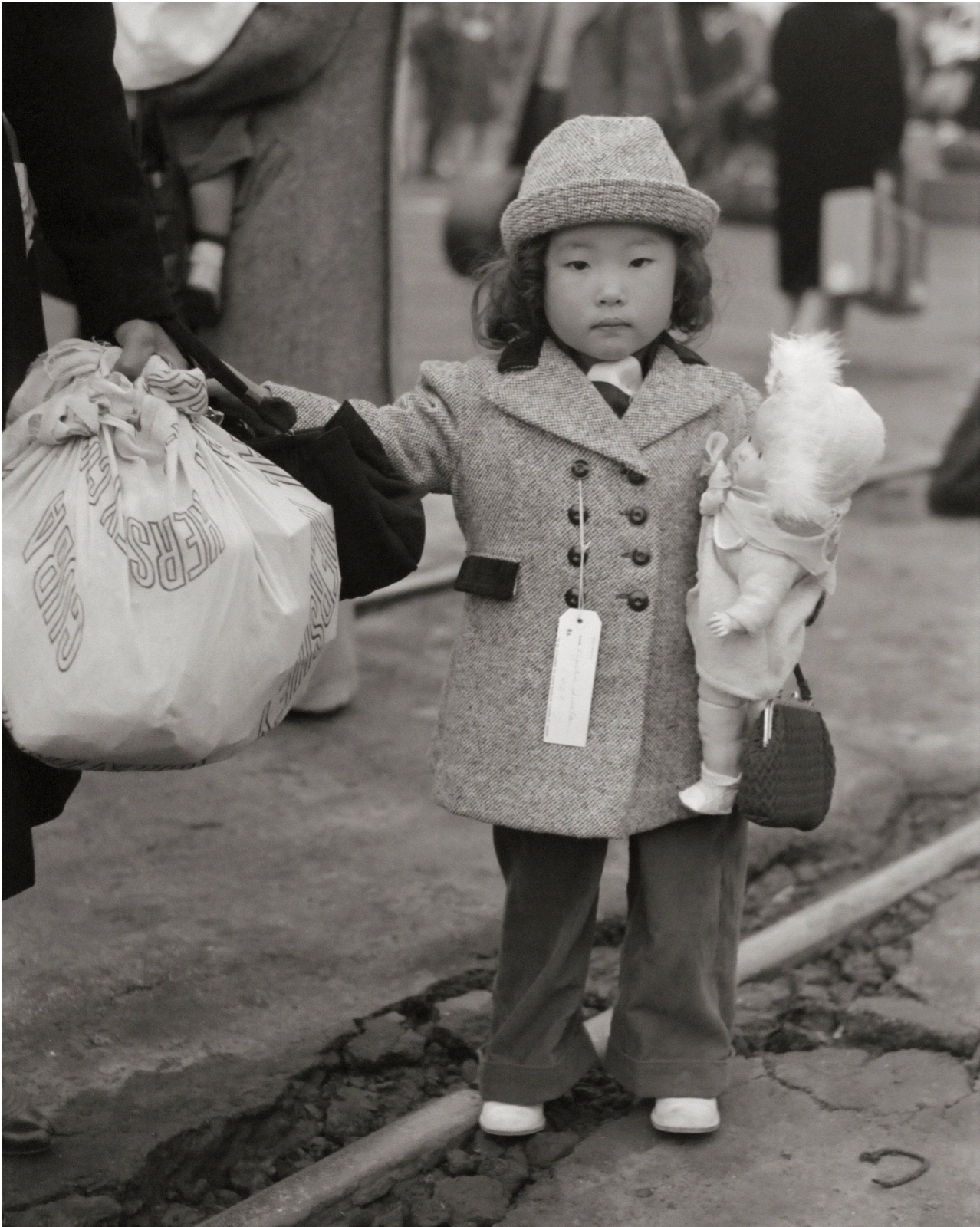
World War II marked one of the most severe episodes of government-sanctioned discrimination in American history. Following the attack on Pearl Harbor, the U.S. government forcibly relocated and incarcerated approximately 120,000 Japanese Americans. Two-thirds of those imprisoned were U.S. citizens.
Families were removed from their homes and placed in remote camps under armed guard. No evidence of espionage or sabotage was ever substantiated, yet the policy was justified as a matter of national security. Property was seized or sold under duress, businesses collapsed, and the psychological trauma endured for decades. A formal apology and reparations were issued more than forty years later, long after the damage had been done.
Cold War Immigration and Ideological Exclusion
During the Cold War, immigration discrimination took on an ideological dimension. Immigrants and even naturalized citizens were barred, surveilled, or deported based on political beliefs. Leftists, labor organizers, and individuals associated with certain movements were deemed threats to national stability.
Immigration law became a mechanism for suppressing dissent and policing belief. Political ideology, rather than conduct, could determine whether a person was allowed to remain in the country, extending the reach of government authority into private association and expression.
Modern Enforcement and Racialized Deportation
From the late twentieth century into the present, immigration enforcement has increasingly emphasized detention, criminalization, and removal. Detention centers expanded, undocumented presence was criminalized, and deportation became a central feature of immigration policy. These measures have disproportionately affected immigrants from Latin America and the Caribbean.
Asylum seekers have been detained for prolonged periods, families separated, and long-term residents deported for minor offenses. While framed as neutral enforcement of immigration law, the impact has been racially uneven, reinforcing long-standing patterns of discrimination and vulnerability.
Religious Discrimination in the Twenty-First Century
Religious discrimination reemerged explicitly in the early twenty-first century through policies restricting entry from several Muslim-majority countries. These restrictions blocked refugees, separated families, and stranded legal residents abroad. Although framed in neutral language, the effect was unmistakably religious and national in scope.
The normalization of these policies reaffirmed the government’s ability to single out groups based on perceived identity and threat, even in the absence of individualized evidence.
Repeating Justifications, Lasting Consequences
Across centuries, the justifications for discriminatory immigration policy have remained remarkably consistent. National security has been invoked against Japanese Americans and Muslim immigrants. Economic threat narratives have targeted Chinese laborers and Mexican communities. Claims of cultural incompatibility have been used against Irish, Italian, and Eastern European immigrants. Criminality has been disproportionately assigned to Latin American immigrants, while ideological danger has justified the exclusion of political dissidents and refugees.
The consequences of these policies have been profound and enduring. Families have been separated for generations, wealth accumulation has been denied, and citizenship has been delayed or withheld. In many cases, official apologies and reforms came decades later, after irreparable harm had already occurred.
Why This History Still Matters
This history helps explain why mistrust of government runs deep in many immigrant communities and why protests over immigration policy recur across generations. Discriminatory policies are often presented as temporary or exceptional, yet their effects are lasting. Time and again, meaningful reform has followed only sustained pressure and public reckoning.
The American experience shows that immigration rights have expanded not through goodwill alone, but through struggle—and that the promise of inclusion has often come only after exclusion became impossible to deny.
Leave a comment
Comments will be approved before showing up.
Also in Time Capsule

Six New York Landmarks That Changed the Manhattan Skyline
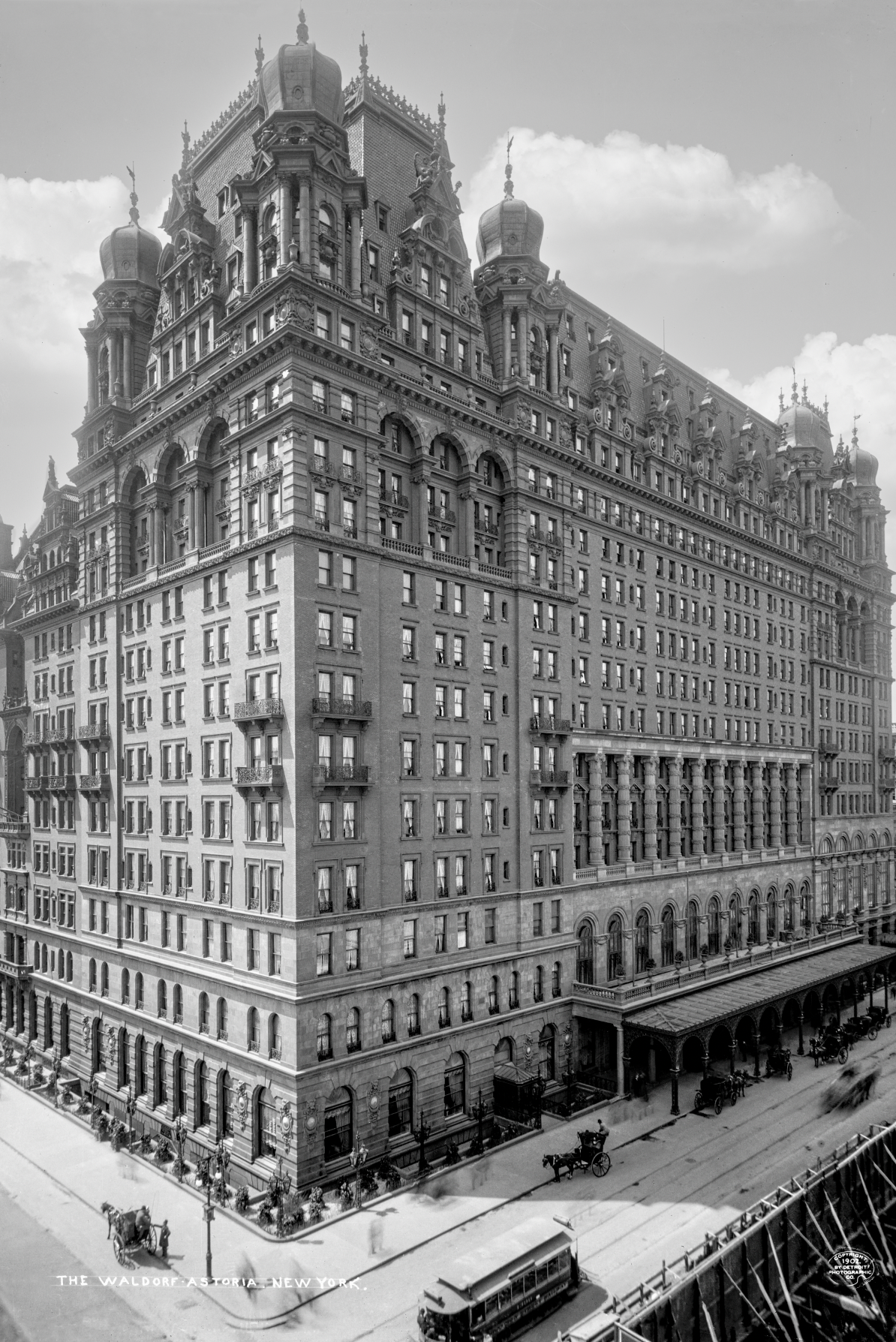
New York's skyline wasn't built overnight. Vintage photographs of Trinity Church, the Plaza, Waldorf-Astoria, Chrysler Building, Empire State Building and Rockefeller Center reveal how Manhattan grew from a city of church steeples and grand hotels into the skyscraper capital of the world.



The Old West Never Really Ended
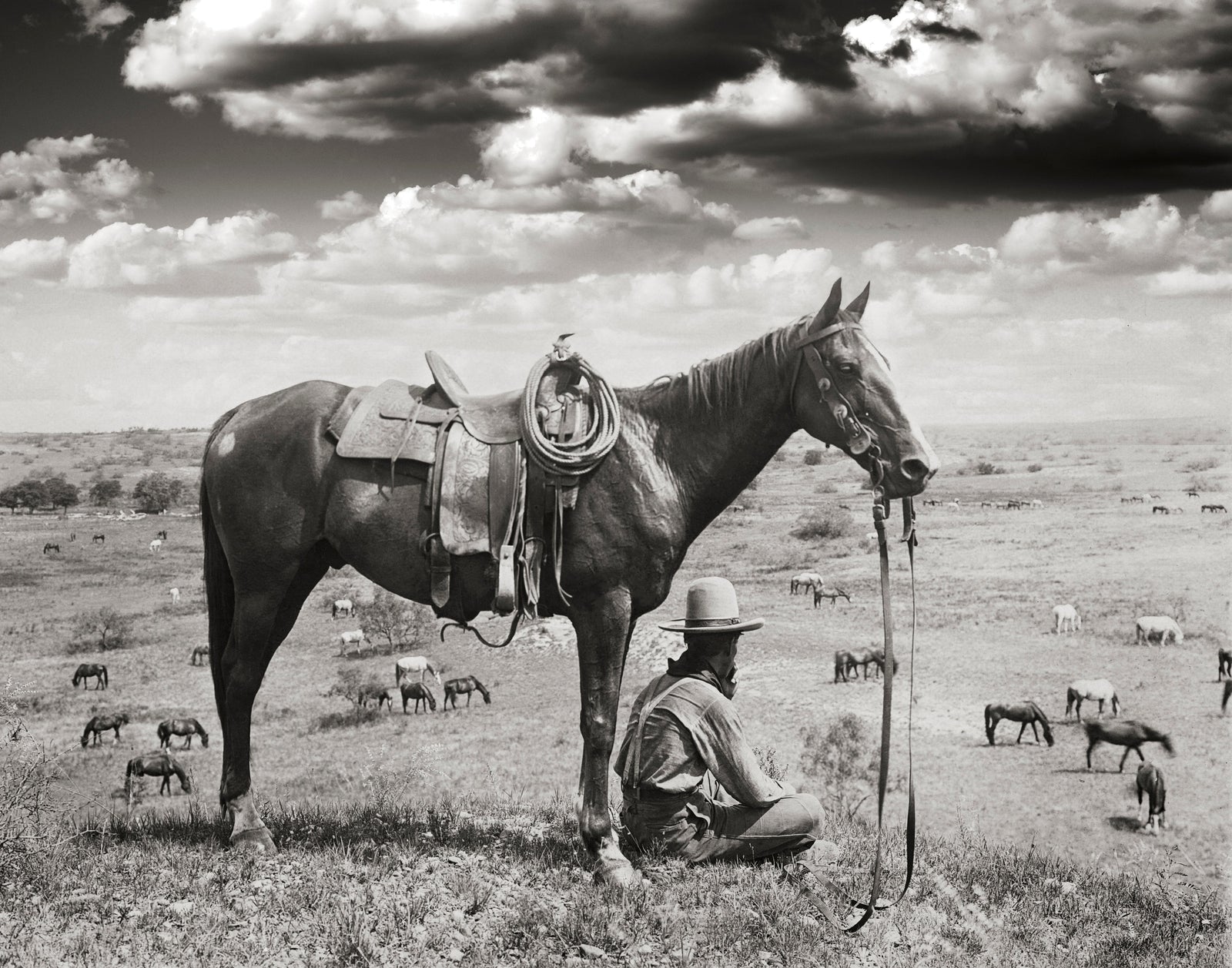
A cowboy on horseback overlooks the Dallas skyline in 1943—an image that seems to capture the Old West and modern America in a single frame. But the cowboy didn't disappear when the frontier closed. Discover how real working cowboys, rodeos, music and Hollywood carried the Old West into the 20th century.
Let customers speak for us
Gems
These short clips are gems. They are part of the history of music in America. Thank you for posting.
S. Kelley Chambers

Love the print and perfect decor for our n...
Love the print and perfect decor for our new apartment in Pittsburgh.
Chris P

5 stars review from Laura
5 stars review from Laura
Laura D

5 stars review from Geri
5 stars review from Geri
Geri L

5 stars review from Stephanie
5 stars review from Stephanie
Stephanie

5 stars review from Brookelynz
5 stars review from Brookelynz
Brookelynz
5 stars review from Deborah
5 stars review from Deborah
Deborah G

Spectacular!
Received as a gift and could not be happier with the quality of the print. Shipping container ensure this arrived in perfect condition.
John

5 stars review from Kayla
5 stars review from Kayla
Kayla G

5 stars review from Blondiee
5 stars review from Blondiee
Blondiee

5 stars review from April
5 stars review from April
April Y

5 stars review from Tracie
5 stars review from Tracie
Tracie C

Great quality and fast delivery!
Great quality and fast delivery!
Amanda C

5 stars review from Autumnrayne4
5 stars review from Autumnrayne4
Autumnrayne4

5 stars review from Traca
5 stars review from Traca
Traca B
