

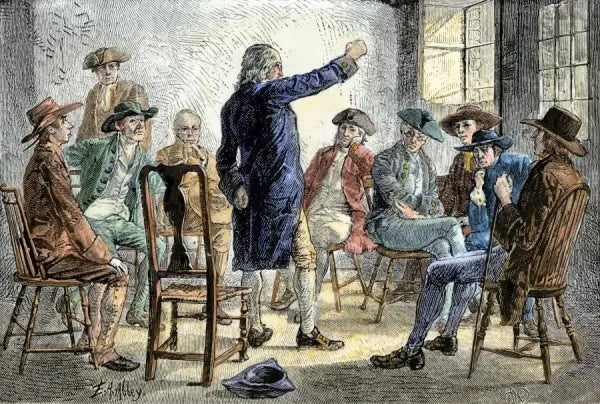

Colonial Radicals and the Mechanics of Resistance, 1765–1776
Between 1765 and 1776, resistance to British rule in the American colonies was driven by a relatively small but determined group of radicals who believed British authority had become illegitimate. These individuals were not passive thinkers or distant philosophers. They organized crowds, manipulated public opinion, coordinated economic warfare, and eventually prepared for armed conflict. Their success lay not in isolated acts of protest, but in sustained pressure applied across multiple fronts at once.
Samuel Adams and the Architecture of Protest
No individual was more central to early resistance than Samuel Adams. Adams was not a battlefield commander; his influence came from organization and narrative control. He understood that anger alone was insufficient—it had to be directed, repeated, and shared across colonies.
Adams helped transform local outrage into coordinated resistance through the creation of Committees of Correspondence. These committees acted as an alternative political infrastructure, allowing towns and colonies to communicate quickly about British actions and agree on collective responses. When royal governors attempted to suppress dissent, these committees filled the vacuum, organizing boycotts, protests, and later local governance. By the early 1770s, they functioned as a shadow government network, undermining British authority without openly declaring independence.
Adams also mastered propaganda. After the Boston Massacre, he ensured the event was framed not as a street clash but as evidence of British military oppression. Pamphlets, newspaper articles, and engravings circulated throughout the colonies, shaping public perception and hardening resistance even when immediate political pressure eased.
The Sons of Liberty and Street-Level Enforcement
While Adams worked behind the scenes, enforcement of resistance on the ground was often carried out by the Sons of Liberty. This was not a formal organization with membership rolls but a loose coalition of artisans, merchants, laborers, and political agitators operating primarily in port cities.
Their methods were confrontational. When the Stamp Act went into effect in 1765, Sons of Liberty members targeted stamp distributors directly. Officials were dragged through the streets, hung in effigy, and forced to publicly resign. Property damage was common, and the threat of violence was explicit. These tactics made enforcement of British law practically impossible. Without local officials willing to carry out the law, the Stamp Act collapsed before it could generate revenue.
The Sons of Liberty also policed colonial compliance. Merchants who violated non-importation agreements risked public exposure, vandalism, or social ostracism. Resistance was voluntary in theory, but coercive in practice. This internal discipline ensured that economic pressure on Britain was sustained rather than symbolic.
John Hancock and the Weaponization of Commerce
John Hancock played a different but equally critical role. A wealthy merchant, Hancock used his economic position to challenge British authority directly. British customs officials repeatedly accused him of smuggling, and his ship Liberty was seized in 1768. Rather than discouraging resistance, the seizure sparked riots in Boston and further discredited British enforcement efforts.
Hancock’s significance lay in demonstrating that elite participation in resistance mattered. He funded radical activities, supported propaganda efforts, and used his prominence to legitimize opposition that might otherwise have been dismissed as mob unrest. His willingness to defy British authority signaled that resistance crossed class lines and was not merely the work of discontented laborers.
Women and the Politics of Daily Life
Although excluded from formal political institutions, women were essential to sustaining resistance. Non-importation agreements required colonists to forgo British manufactured goods, and women controlled much of household consumption. By producing homespun cloth, organizing spinning gatherings, and publicly rejecting imported goods, women turned domestic labor into political action.
These efforts were not symbolic. British textile merchants felt the economic impact of reduced colonial demand. Women also enforced compliance socially, shaming neighbors who continued to purchase British products. Resistance thus became embedded in everyday life, making retreat politically and socially costly.
Thomas Paine and the Radicalization of Public Opinion
By the mid-1770s, resistance had reached a plateau. Many colonists still hoped for reconciliation with Britain. That changed with the publication of Common Sense by Thomas Paine in early 1776.
Paine’s pamphlet did not merely criticize British policy; it attacked the legitimacy of monarchy itself. Written in plain language, it reached a broad audience and reframed independence as logical, necessary, and inevitable. Within months, hundreds of thousands of copies circulated throughout the colonies. The effect was transformative. What had been resistance to policy became resistance to rule.
From Protest to Parallel Government
As British authority weakened, colonial radicals moved beyond protest to replacement. Local committees assumed responsibility for courts, militia organization, and tax collection. Royal governors found themselves ignored or driven out entirely. By the time independence was declared in 1776, British rule had already collapsed in many areas.
Armed conflict did not initiate the Revolution; it confirmed it. Years of organized resistance had eroded obedience, normalized defiance, and built alternative systems of power. When fighting began, the political groundwork was already laid.
The Outcome: Making Empire Ungovernable
Colonial radicals succeeded not by defeating Britain militarily in the early years, but by making the colonies ungovernable. Through intimidation, economic pressure, propaganda, and institutional replacement, they dismantled imperial control piece by piece. Independence was the final step in a process already underway.
The Revolution was not the work of the entire population, nor was it inevitable. It was driven by organized radicals who understood that sustained resistance—applied socially, economically, and politically—could overpower an empire that depended on cooperation to function.
Leave a comment
Comments will be approved before showing up.
Also in Time Capsule
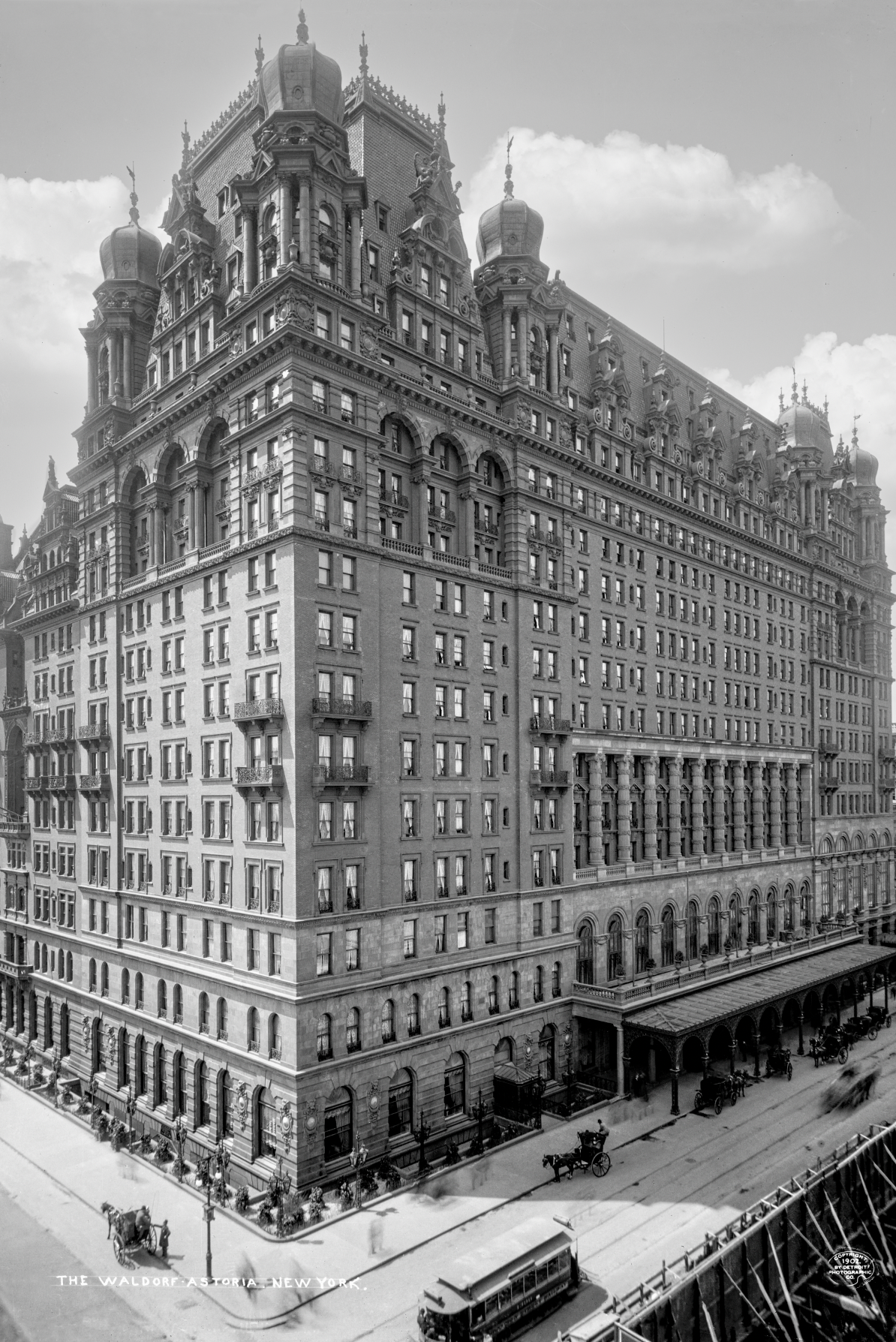

Six New York Landmarks That Changed the Manhattan Skyline
New York's skyline wasn't built overnight. Vintage photographs of Trinity Church, the Plaza, Waldorf-Astoria, Chrysler Building, Empire State Building and Rockefeller Center reveal how Manhattan grew from a city of church steeples and grand hotels into the skyscraper capital of the world.

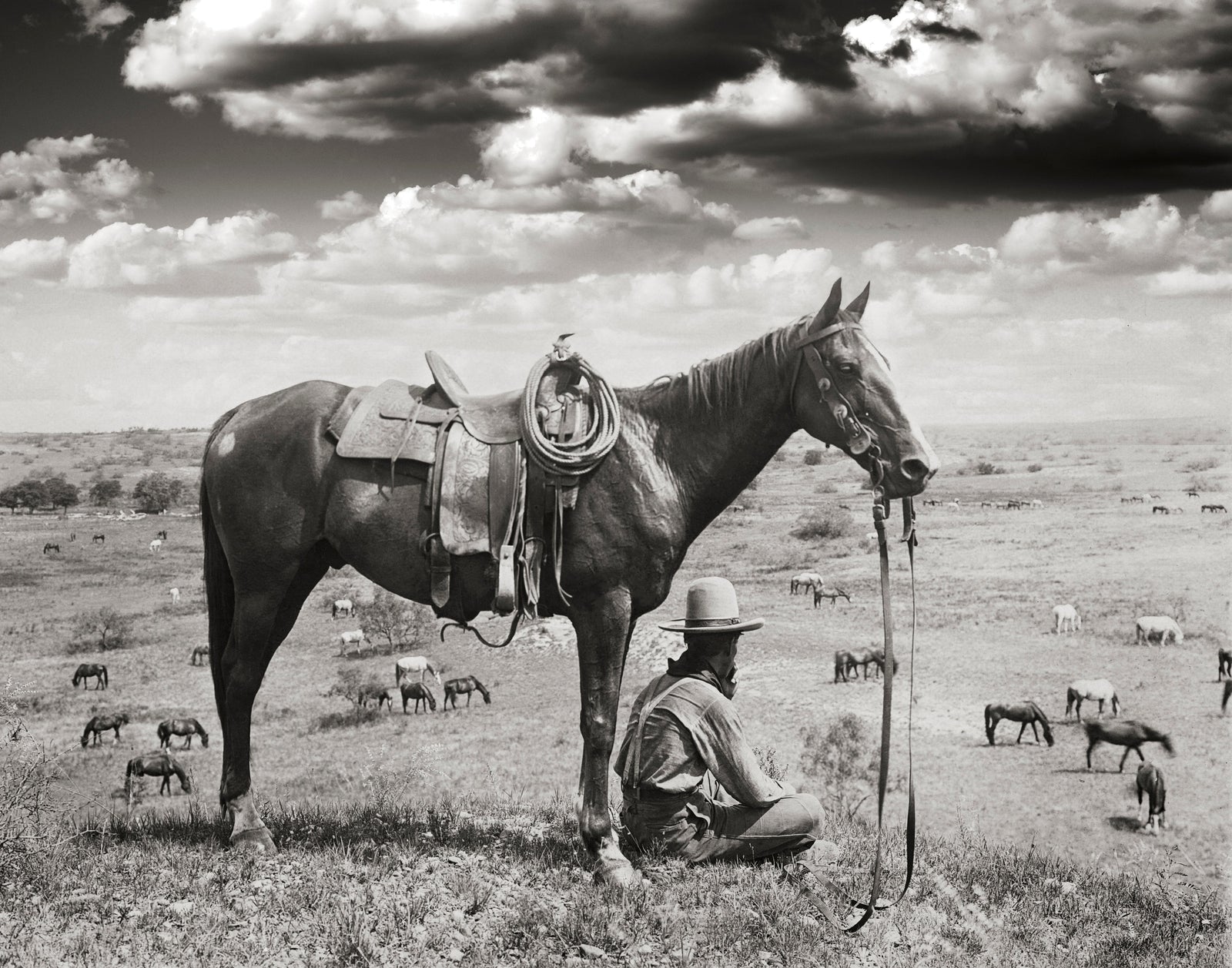

The Old West Never Really Ended
A cowboy on horseback overlooks the Dallas skyline in 1943—an image that seems to capture the Old West and modern America in a single frame. But the cowboy didn't disappear when the frontier closed. Discover how real working cowboys, rodeos, music and Hollywood carried the Old West into the 20th century.
Let customers speak for us
Gems
These short clips are gems. They are part of the history of music in America. Thank you for posting.
S. Kelley Chambers

Love the print and perfect decor for our n...
Love the print and perfect decor for our new apartment in Pittsburgh.
Chris P

5 stars review from Laura
5 stars review from Laura
Laura D

5 stars review from Geri
5 stars review from Geri
Geri L

5 stars review from Stephanie
5 stars review from Stephanie
Stephanie

5 stars review from Brookelynz
5 stars review from Brookelynz
Brookelynz
5 stars review from Deborah
5 stars review from Deborah
Deborah G

Spectacular!
Received as a gift and could not be happier with the quality of the print. Shipping container ensure this arrived in perfect condition.
John

5 stars review from Kayla
5 stars review from Kayla
Kayla G

5 stars review from Blondiee
5 stars review from Blondiee
Blondiee

5 stars review from April
5 stars review from April
April Y

5 stars review from Tracie
5 stars review from Tracie
Tracie C

Great quality and fast delivery!
Great quality and fast delivery!
Amanda C

5 stars review from Autumnrayne4
5 stars review from Autumnrayne4
Autumnrayne4

5 stars review from Traca
5 stars review from Traca
Traca B
