

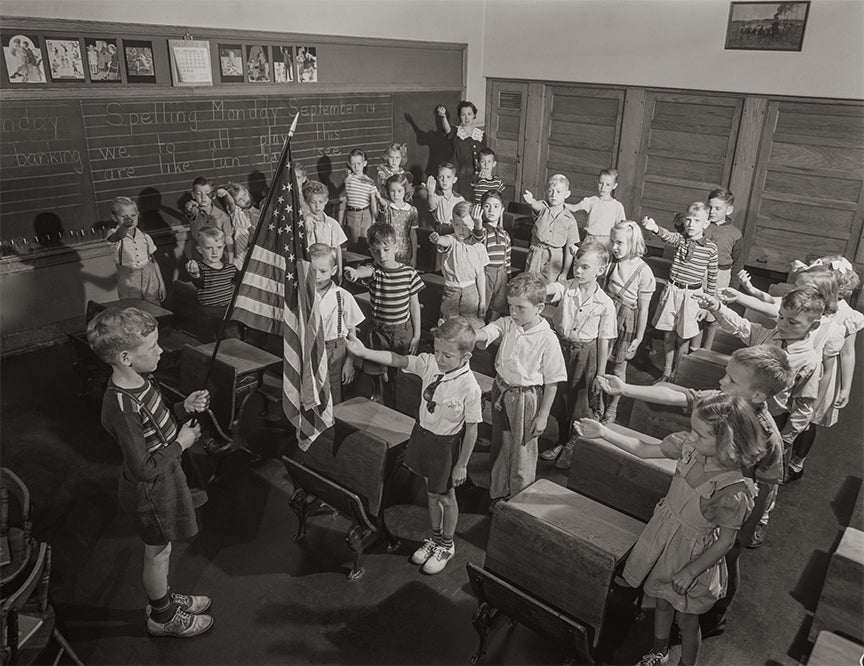

The Birth of the Pledge of Allegiance To the Flag of the United States of America
The Birth of the Pledge in 1892
The practice of saluting the American flag and reciting the Pledge of Allegiance in schools began in 1892. The Pledge was written by Francis Bellamy, a Baptist minister, during a period when the United States was still working to define its national identity after the Civil War. That year marked the 400th anniversary of Christopher Columbus’s arrival in the Americas, and a national campaign encouraged public schools to hold patriotic ceremonies on Columbus Day.
Bellamy composed a short oath for schoolchildren to recite during those celebrations. His original wording was: “I pledge allegiance to my Flag and to the Republic for which it stands, one nation, indivisible, with liberty and justice for all.” The language reflected post–Civil War concerns. The word “indivisible” was deliberate. The country had recently fought over whether it would remain one nation. The Pledge was intended to reinforce unity and loyalty to the federal republic rather than to individual states.
It also served another purpose. In the late nineteenth century, millions of immigrants were entering the United States. Public schools were seen as a primary tool for assimilation. A daily patriotic ritual was a way to encourage a shared civic identity among children from many backgrounds.
The Original Salute and Its Disappearance
When students first recited the Pledge, they did not place their hands over their hearts. Instead, they performed what became known as the Bellamy salute. Children stood facing the flag and extended their right arms straight outward toward it while speaking the words.
For decades, this gesture was routine. However, in the 1930s, the rise of fascist regimes in Europe created an uncomfortable visual parallel. The American classroom salute closely resembled the salute used by Nazi Germany. As World War II intensified, the similarity became politically and culturally untenable.
In 1942, Congress officially replaced the straight-arm salute with the hand-over-heart gesture that remains standard today. The change was practical and symbolic. It ensured that American patriotic rituals would not resemble those of authoritarian regimes the country was fighting against.
“Under God” and the Cold War
The words of the Pledge changed again in 1954. The original version did not include the phrase “under God.” That addition came during the Cold War, when the United States sought to distinguish itself from the officially atheist Soviet Union.
President Dwight D. Eisenhower signed legislation inserting “under God” into the text. Supporters argued that it emphasized the nation’s spiritual foundations and reinforced a moral contrast with communist ideology. Religious organizations had lobbied strongly for the change. The revised wording reflected the geopolitical anxieties of the era as clearly as the original Pledge had reflected post–Civil War unity concerns.
The Supreme Court and Voluntary Participation
A critical turning point occurred in 1943 with the Supreme Court case West Virginia State Board of Education v. Barnette. The case involved Jehovah’s Witness students who refused to salute the flag or recite the Pledge because of their religious beliefs. The Court ruled that students could not be compelled to participate.
The decision established that forcing students to recite the Pledge violates the First Amendment’s protections of free speech and religious freedom. From that point forward, participation had to be voluntary. Schools could lead the Pledge, but students could not be punished for declining to stand or speak.
This ruling remains the controlling law today.
Why Many States Still Require It
There is no federal law requiring the Pledge to be recited in schools. However, most states have laws requiring public schools to provide an opportunity to say it daily. The wording of these statutes usually mandates that schools schedule time for the Pledge during morning announcements or at the start of the school day.
The key distinction is that states may require schools to offer the Pledge, but they cannot require individual students to participate. In some states, parents may submit written opt-out requests. In others, students may simply choose not to take part without formal documentation.
These laws persist largely because the Pledge is viewed as a civic tradition rather than a religious or partisan act. State legislatures often frame it as a way to promote civic education and national awareness.
How Often It Is Said Today
In practice, the Pledge is still recited daily in many elementary and middle schools across the country, especially in suburban and rural districts. In high schools, participation is more variable. Some students stand and recite it routinely; others remain seated or silent.
Regional culture plays a significant role. In some communities, nearly all students participate. In others, participation is mixed. The Supreme Court’s ruling ensures that silence is legally protected.
What began as a unifying ritual in 1892 has endured, but not unchanged. Its wording, gestures, and legal status have all shifted in response to war, immigration, ideological conflict, and constitutional debate. The history of saluting the flag and reciting the Pledge is less about a fixed tradition and more about how Americans have defined loyalty, unity, and freedom over time.
Find the Bellamy pledge here.
Leave a comment
Comments will be approved before showing up.
Also in Time Capsule
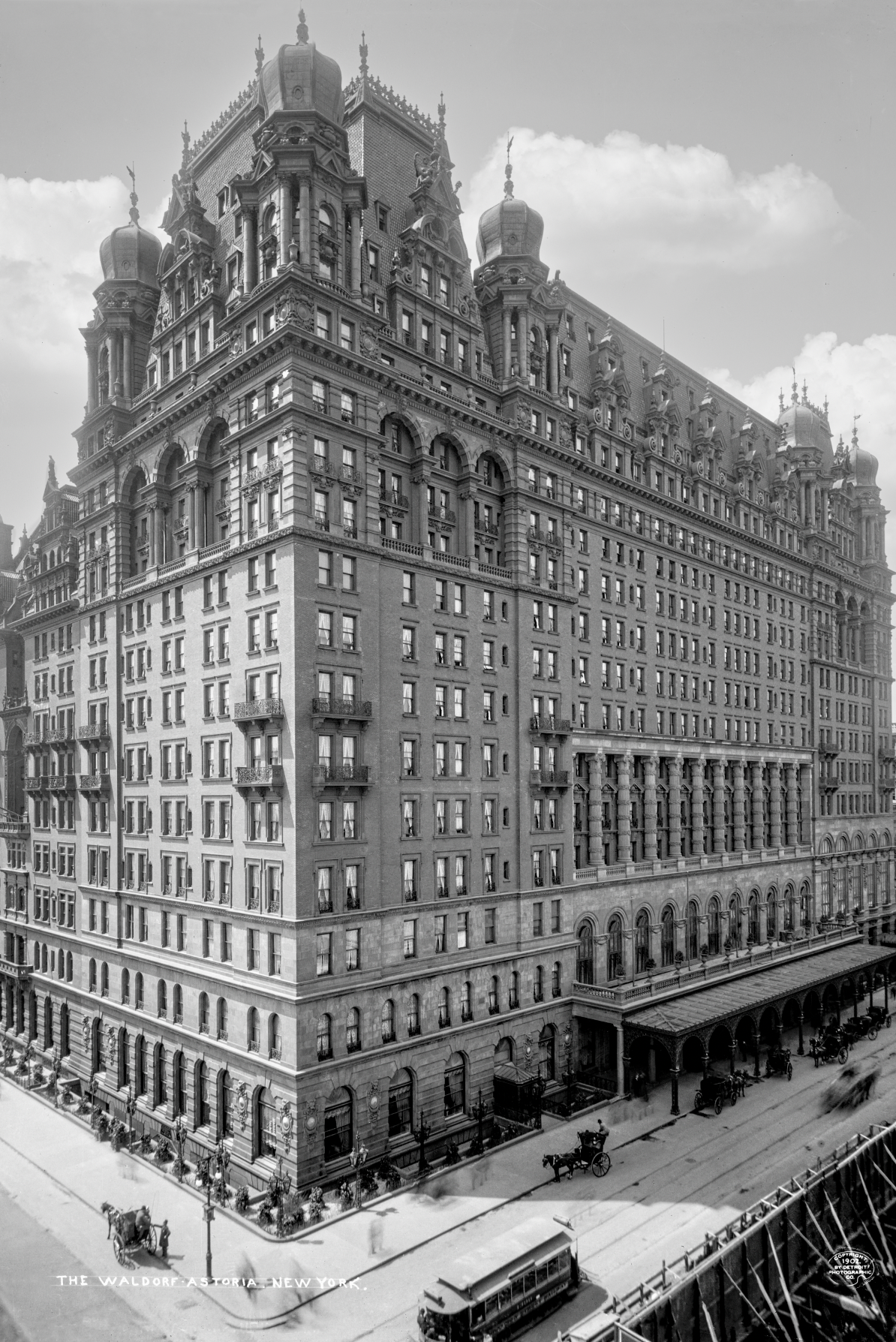

Six New York Landmarks That Changed the Manhattan Skyline
New York's skyline wasn't built overnight. Vintage photographs of Trinity Church, the Plaza, Waldorf-Astoria, Chrysler Building, Empire State Building and Rockefeller Center reveal how Manhattan grew from a city of church steeples and grand hotels into the skyscraper capital of the world.

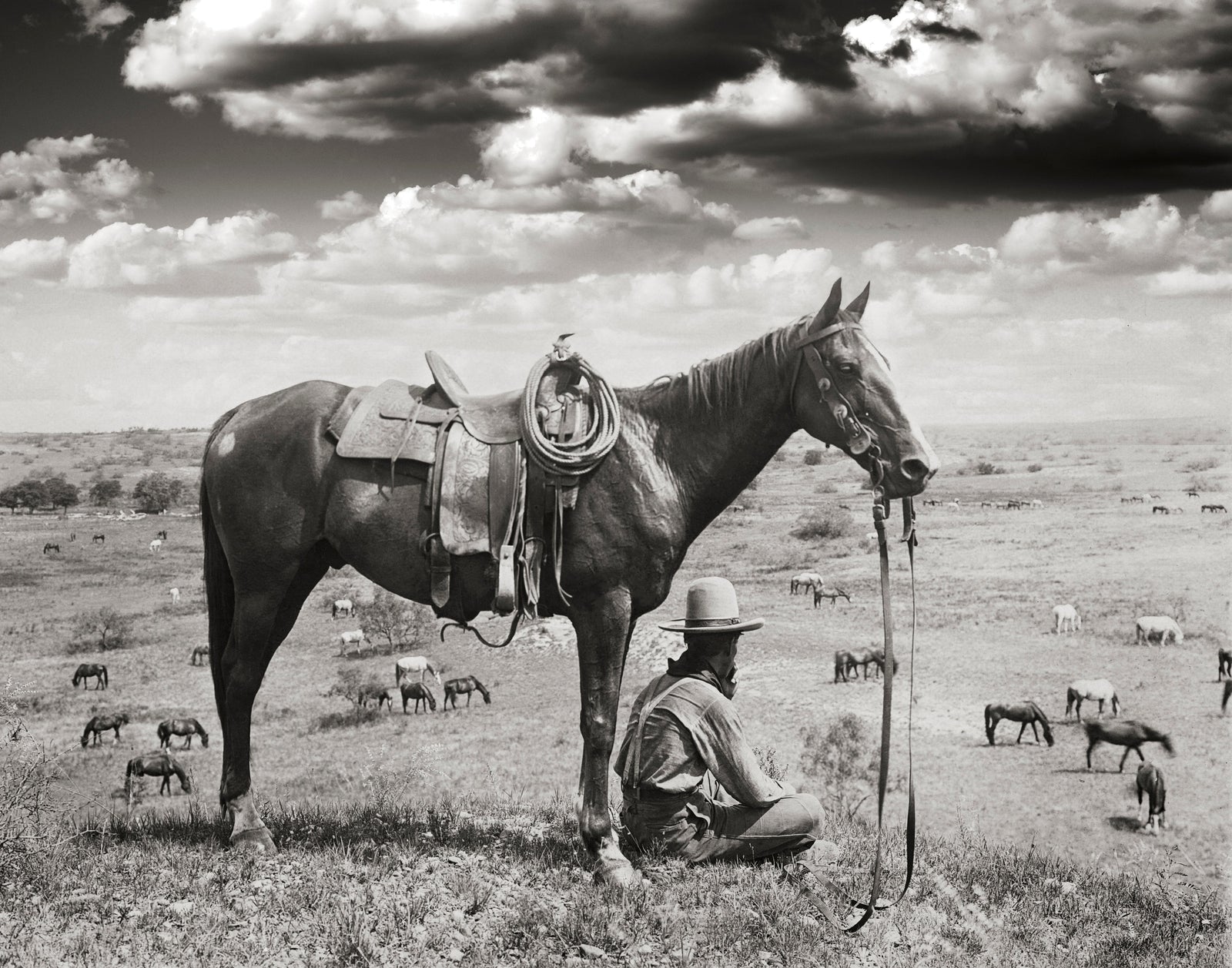

The Old West Never Really Ended
A cowboy on horseback overlooks the Dallas skyline in 1943—an image that seems to capture the Old West and modern America in a single frame. But the cowboy didn't disappear when the frontier closed. Discover how real working cowboys, rodeos, music and Hollywood carried the Old West into the 20th century.
Let customers speak for us
Gems
These short clips are gems. They are part of the history of music in America. Thank you for posting.
S. Kelley Chambers

Love the print and perfect decor for our n...
Love the print and perfect decor for our new apartment in Pittsburgh.
Chris P

5 stars review from Laura
5 stars review from Laura
Laura D

5 stars review from Geri
5 stars review from Geri
Geri L

5 stars review from Stephanie
5 stars review from Stephanie
Stephanie

5 stars review from Brookelynz
5 stars review from Brookelynz
Brookelynz
5 stars review from Deborah
5 stars review from Deborah
Deborah G

Spectacular!
Received as a gift and could not be happier with the quality of the print. Shipping container ensure this arrived in perfect condition.
John

5 stars review from Kayla
5 stars review from Kayla
Kayla G

5 stars review from Blondiee
5 stars review from Blondiee
Blondiee

5 stars review from April
5 stars review from April
April Y

5 stars review from Tracie
5 stars review from Tracie
Tracie C

Great quality and fast delivery!
Great quality and fast delivery!
Amanda C

5 stars review from Autumnrayne4
5 stars review from Autumnrayne4
Autumnrayne4

5 stars review from Traca
5 stars review from Traca
Traca B
