


Coney Island: From Sandbar to Spectacle
Few places in America have reinvented themselves as many times as Coney Island. What began as a windswept stretch of sand on the southern edge of Brooklyn became the nation’s playground, then a symbol of urban decline, and later a site of stubborn revival. Its history mirrors the broader American story—ambition, spectacle, collapse, resilience.
Coney Island is not technically an island anymore. Originally separated from the mainland by tidal creeks and marshland, it was gradually connected through landfill and development. But its identity as an “island” endured, and so did its role as an escape.
Before the Crowds: Indigenous Lands and Early Settlement
Long before roller coasters and hot dog stands, the land that would become Coney Island was inhabited by the Lenape people. The name “Coney” likely derives from the Dutch word konijn, meaning rabbit. Dutch settlers in the 17th century noted the abundance of rabbits in the dunes.
For much of the 18th and early 19th centuries, Coney Island remained rural and relatively isolated. Farms dotted the landscape. The beaches were beautiful but difficult to reach. That isolation preserved its natural character—but also limited its development.
What changed everything was transportation.
Railroads and the Birth of a Resort
By the mid-19th century, Brooklyn was expanding rapidly. As railroads extended southward, Coney Island became accessible to the working and middle classes.
In the 1860s and 1870s, rail lines brought thousands of visitors seeking ocean air and relief from crowded city neighborhoods. Hotels and bathhouses sprang up along the shore. The Manhattan Beach Hotel, opened in 1877, catered to wealthy visitors with orchestras and fine dining.
Coney Island quickly became a democratic space. Unlike elite seaside resorts in Newport or Cape May, it welcomed a broad public. Immigrants, laborers, families—all could board a train and reach the beach. The appetite for entertainment followed close behind.
The Rise of the Amusement Parks
By the late 19th century, mechanical amusements began transforming Coney Island into something unprecedented.
Three major parks defined the early golden age:
-
Steeplechase Park (1897)
-
Luna Park (1903)
-
Dreamland (1904)
Each offered spectacle on a scale Americans had rarely seen.
Steeplechase Park emphasized humor and physical comedy. Visitors rode mechanical horses in a racetrack simulation. Its atmosphere was playful and slightly chaotic.
Luna Park introduced electric illumination as theater. Thousands of lights outlined towers and domes, creating a glowing fantasy at night. For many visitors, it was their first encounter with large-scale electric lighting.
Dreamland aimed for grandeur. It featured elaborate architecture, water rides, and even live exhibitions—including controversial “human displays” that reflected the racial attitudes of the time.
Coney Island became synonymous with excess and innovation. It offered mechanical thrills, sideshows, and spectacles that blurred the line between education and exploitation.
The Age of the Roller Coaster
Roller coasters evolved rapidly at Coney Island. One of the earliest was the Switchback Railway, built in 1884 by LaMarcus Thompson. It was modest by modern standards, but it introduced the concept of gravity-powered thrills.
Over time, coasters became faster and taller.
In 1927, the Coney Island Cyclone opened. Built of wood and designed with steep drops and sharp turns, it became one of the most iconic roller coasters in the world. Unlike many early rides that were dismantled, the Cyclone survives today as a designated landmark.
These rides reflected growing confidence in engineering. Americans trusted steel tracks and mechanical systems to deliver controlled danger. That trust did not come without accidents—but it became part of the culture of thrill.
The Social Meaning of Coney Island
Coney Island was not just about rides. In the late 19th and early 20th centuries, it was one of the few places where rigid social norms relaxed. Victorian codes loosened at the beach. Bathing suits became symbols of changing attitudes toward the body and leisure.
For immigrants arriving in New York, Coney Island represented entry into American life. A day at the beach, a ride on a coaster, a hot dog from Nathan’s Famous—these were shared cultural experiences.
The beach democratized recreation.
Walt Whitman once described Coney Island as a place where “the people” gathered. It was loud, crowded, chaotic—and distinctly American.
Fires and Fragility
Wooden structures and electric lighting made early Coney Island vulnerable to fire. Dreamland burned in 1911. The fire consumed much of the park. Other sections of the amusement district also suffered fires over the decades. These disasters exposed how fragile the spectacle really was.
Rebuilding followed—but each reconstruction grew more costly. Insurance rates rose. Land values increased. The amusement parks were profitable, but they were not immune to economic pressures.
The Impact of the Great Depression
The 1930s marked a turning point.
The Great Depression reduced disposable income. Visitors still came—but spending declined. Maintenance suffered. New attractions became harder to finance.
Urban planner Robert Moses reshaped New York during this era. His focus on highways and public housing altered the surrounding neighborhoods. Moses viewed Coney Island as overcrowded and chaotic. Some historic attractions were demolished in the name of modernization. The centralized amusement park era faded. Instead of three dominant parks, the area fragmented into smaller operators.
Postwar Decline
After World War II, suburbanization transformed American leisure patterns.
Families moved out of Brooklyn. Automobile travel expanded. Theme parks emerged in new forms—most notably Disneyland in 1955, which introduced a cleaner, more controlled experience. Coney Island’s gritty charm began to look outdated compared to corporate theme parks.
Crime increased in New York during the 1960s and 1970s. Investment dwindled. Many attractions closed. By the 1970s, large portions of Coney Island felt abandoned.
The Cyclone survived. Nathan’s Famous survived. The beach survived. But the grand spectacle era had ended.
Seeds of Preservation
In the 1980s and 1990s, preservation efforts gained momentum.
The Cyclone was designated a New York City landmark in 1988 and placed on the National Register of Historic Places. This recognition helped protect it from demolition.
Grassroots organizations advocated for the preservation of Coney Island’s character. Artists and cultural historians emphasized its importance as a working-class leisure space.
Coney Island’s identity shifted from futuristic spectacle to historic icon. That shift was subtle but important.
21st-Century Redevelopment
In the early 2000s, the city initiated redevelopment plans. Some longtime businesses were displaced. New investments introduced updated rides and attractions.
Luna Park reopened in 2010 under new management, reviving the historic name.
Modern thrill rides joined classic attractions. The Wonder Wheel, built in 1920, continues to operate. The boardwalk remains central to the experience.
Hurricane Sandy in 2012 caused significant damage, flooding attractions and damaging infrastructure. Recovery required public and private funding.
Resilience again became part of Coney Island’s story.
Cultural Legacy
Coney Island occupies a powerful place in American imagination. It appears in literature, photography, film, and music. Artists from Joseph Stella to contemporary photographers have documented its lights and crowds.
The annual Mermaid Parade celebrates eccentricity and spectacle, echoing the island’s flamboyant past. Nathan’s Hot Dog Eating Contest, held every July 4th, connects Coney Island to national ritual.
Coney Island Today
Today, Coney Island is a hybrid. It is not the dominant amusement capital it once was. It competes with digital entertainment and destination theme parks. But it retains authenticity.
You can still walk the boardwalk, hear the roar of the Cyclone, and watch the Wonder Wheel turn against the Atlantic sky.
Unlike highly curated theme parks, Coney Island feels layered. You see traces of its past in the architecture and layout. It carries memory.
What Coney Island Represents
Coney Island represents cycles of American ambition. It shows how technology reshapes leisure. It demonstrates how urban spaces rise and fall with economic currents. Most importantly, it illustrates the democratization of pleasure.
From its early days as accessible beachfront to its golden age of mechanical wonder, Coney Island offered escape to millions. It was loud, imperfect, and exuberant. It still is.
The story of Coney Island is not simply about rides or beaches. It is about the human desire to gather, to escape routine, and to find wonder in engineered motion and ocean air. The sand has shifted. The skyline has changed. But the impulse that built Coney Island—the need for shared spectacle—remains. And as long as the Cyclone climbs its wooden track and the boardwalk fills on summer evenings, that history is not finished.
Find Coney Island Photos here.
Leave a comment
Comments will be approved before showing up.
Also in Time Capsule
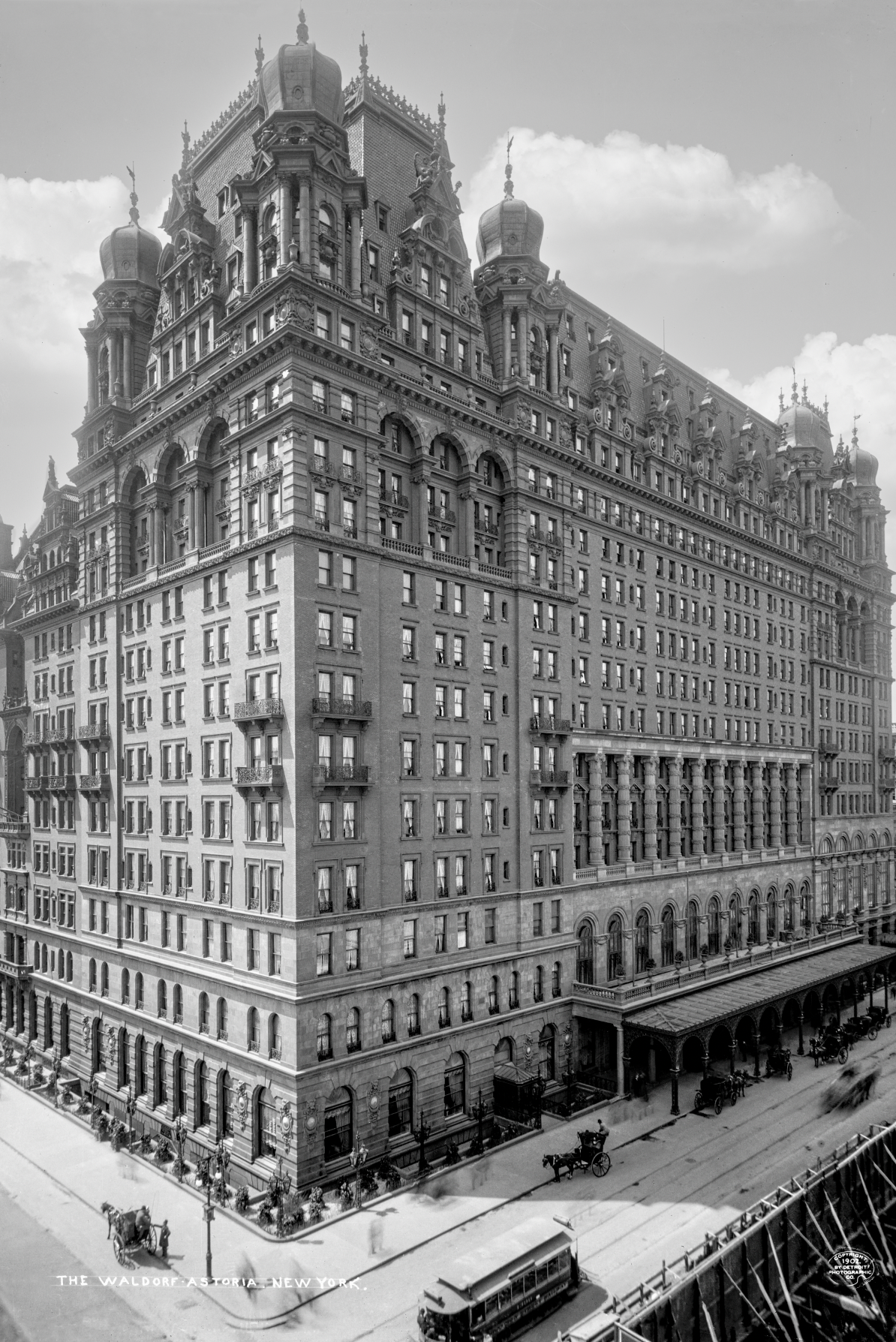

Six New York Landmarks That Changed the Manhattan Skyline
New York's skyline wasn't built overnight. Vintage photographs of Trinity Church, the Plaza, Waldorf-Astoria, Chrysler Building, Empire State Building and Rockefeller Center reveal how Manhattan grew from a city of church steeples and grand hotels into the skyscraper capital of the world.

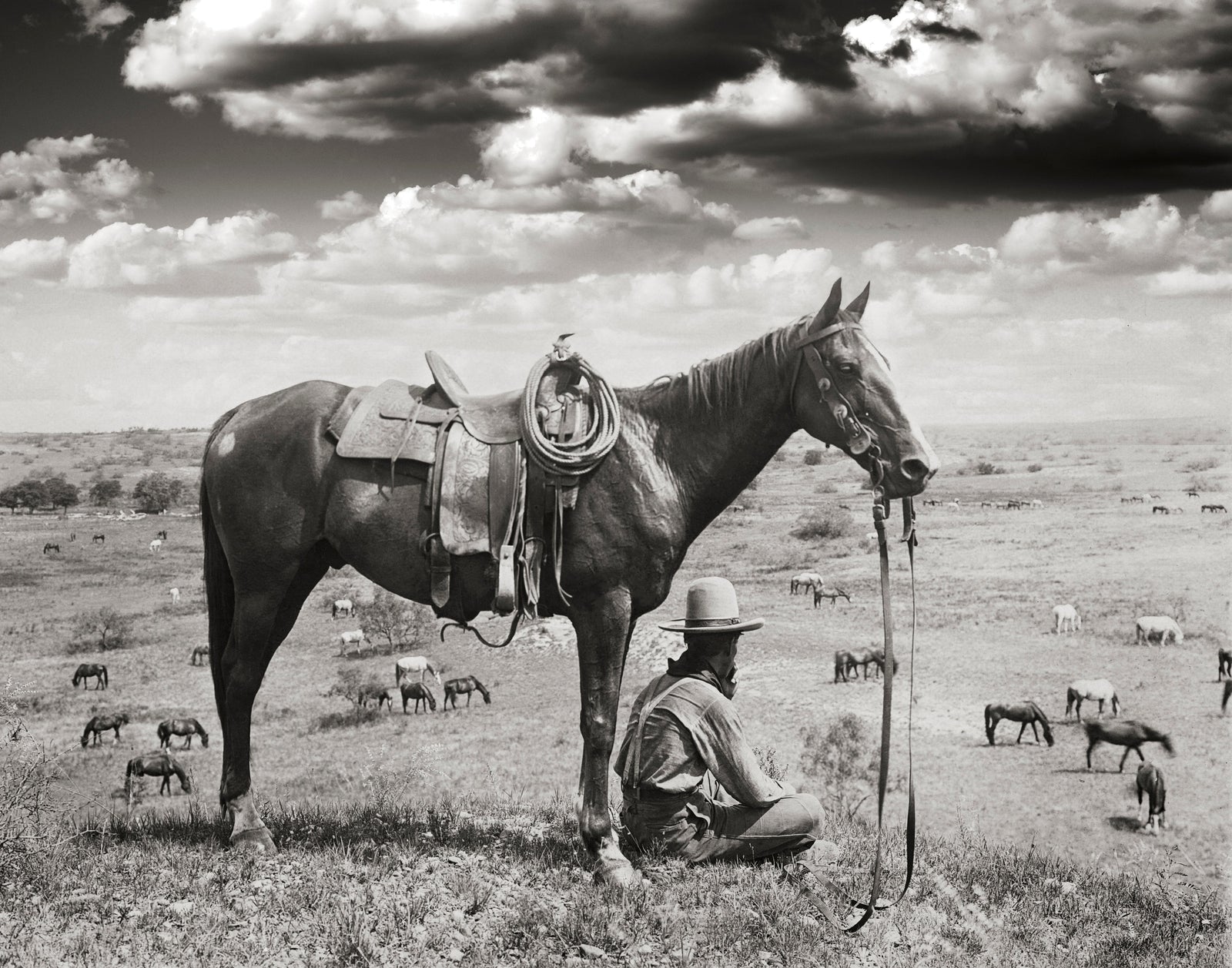

The Old West Never Really Ended
A cowboy on horseback overlooks the Dallas skyline in 1943—an image that seems to capture the Old West and modern America in a single frame. But the cowboy didn't disappear when the frontier closed. Discover how real working cowboys, rodeos, music and Hollywood carried the Old West into the 20th century.
Let customers speak for us
Gems
These short clips are gems. They are part of the history of music in America. Thank you for posting.
S. Kelley Chambers

Love the print and perfect decor for our n...
Love the print and perfect decor for our new apartment in Pittsburgh.
Chris P

5 stars review from Laura
5 stars review from Laura
Laura D

5 stars review from Geri
5 stars review from Geri
Geri L

5 stars review from Stephanie
5 stars review from Stephanie
Stephanie

5 stars review from Brookelynz
5 stars review from Brookelynz
Brookelynz
5 stars review from Deborah
5 stars review from Deborah
Deborah G

Spectacular!
Received as a gift and could not be happier with the quality of the print. Shipping container ensure this arrived in perfect condition.
John

5 stars review from Kayla
5 stars review from Kayla
Kayla G

5 stars review from Blondiee
5 stars review from Blondiee
Blondiee

5 stars review from April
5 stars review from April
April Y

5 stars review from Tracie
5 stars review from Tracie
Tracie C

Great quality and fast delivery!
Great quality and fast delivery!
Amanda C

5 stars review from Autumnrayne4
5 stars review from Autumnrayne4
Autumnrayne4

5 stars review from Traca
5 stars review from Traca
Traca B
