

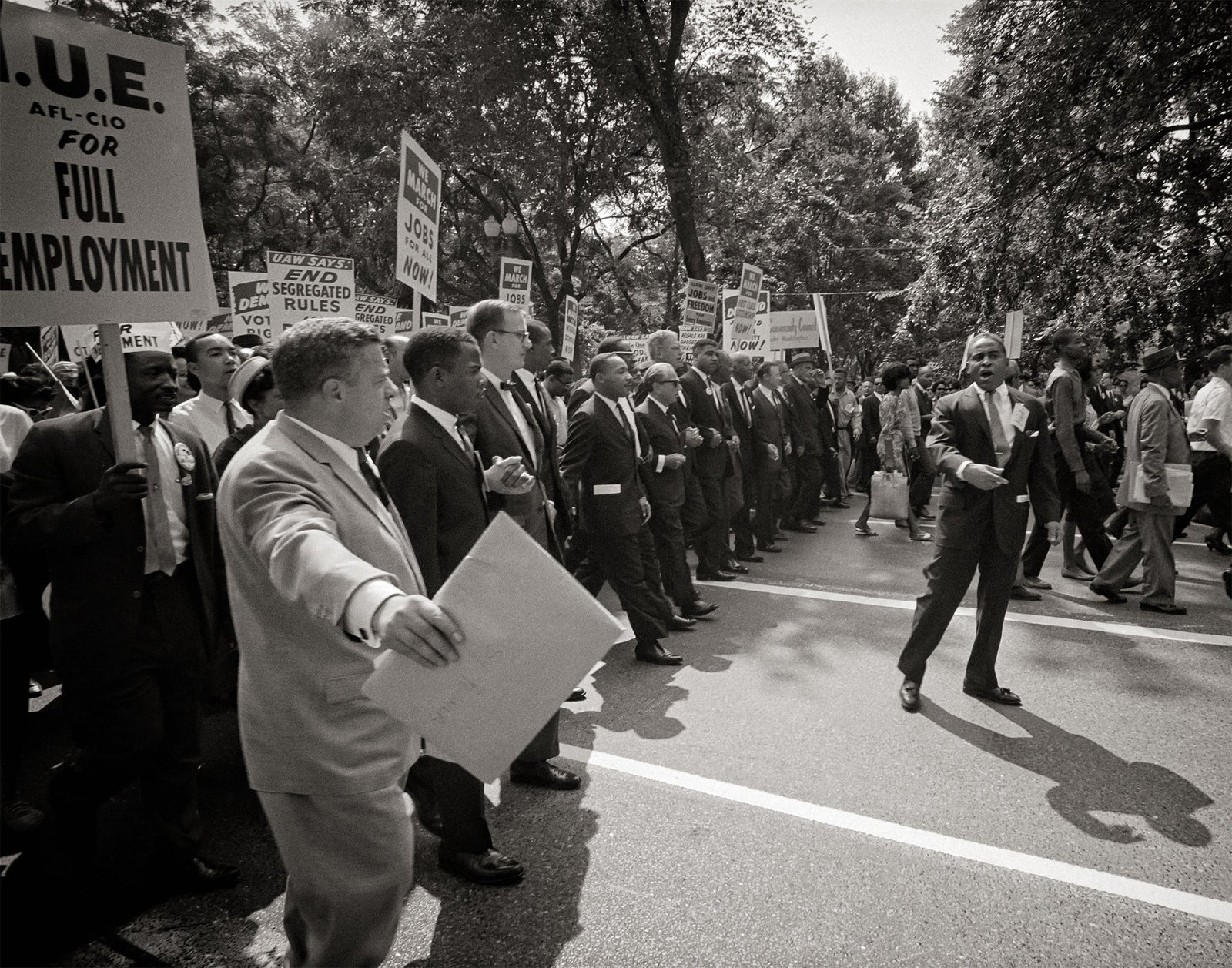

A Long Road to Justice: Major Protests for Black Rights in American History
Black protest in the United States is not a modern phenomenon—it is a continuous thread woven through American history. From enslaved people resisting bondage to mass demonstrations against police violence, protests for Black rights have often been met with resistance, violence, and delay. Yet over time, many of these movements reshaped laws, public opinion, and the nation itself.
What follows is a historical overview of some of the most significant protests for Black rights in U.S. history—where they happened, why they occurred, and what they ultimately changed.
1. Resistance During Slavery (1600s–1865)
Where: Southern colonies and states
Why: Enslaved Africans protested forced labor, family separation, brutality, and lack of freedom
How: Rebellions, escapes, work slowdowns, sabotage, and collective resistance
Key Moments
-
Stono Rebellion (1739, South Carolina): One of the largest slave uprisings in colonial America.
-
Nat Turner’s Rebellion (1831, Virginia): A violent uprising against slavery that terrified slaveholding states.
Immediate Results:
-
Brutal crackdowns
-
Harsher slave codes
-
Increased surveillance of enslaved people
Long-Term Outcome:
-
Strengthened abolitionist movements
-
Contributed to national tensions that led to the Civil War
-
Slavery abolished in 1865 (13th Amendment)
Time to Change:
Centuries
2. Reconstruction & Post-Emancipation Protests (1865–1890s)
Where: Southern states
Why: Black Americans demanded voting rights, land ownership, education, and protection from racial violence
Forms of Protest
-
Political organizing
-
Voting en masse
-
Building schools and institutions
-
Legal challenges
Immediate Results:
-
Black elected officials during Reconstruction
-
Passage of the 14th and 15th Amendments
Backlash:
-
Rise of Jim Crow laws
-
Voter suppression
-
Lynching and racial terror
Long-Term Outcome:
-
Rights gained were systematically dismantled
-
Set the stage for future civil rights protests
Time to Change:
Short-lived gains, followed by decades of regression
3. The Great Migration & Labor Protests (1910s–1930s)
Where: Northern cities (Chicago, Detroit, New York)
Why: Escape racial violence, protest economic inequality, demand fair labor conditions
Key Moments
-
Black workers joined labor strikes
-
Formation of Black unions and mutual aid societies
-
Harlem Renaissance as cultural protest
Immediate Results:
-
Increased Black political power in northern cities
-
Heightened racial tension and race riots (1919)
Long-Term Outcome:
-
Shifted the Black population’s political influence northward
-
Laid groundwork for future civil rights organizing
Time to Change:
10–30 years
4. The Modern Civil Rights Movement (1950s–1960s)
Where: Nationwide, especially the South
Why: Segregation, disenfranchisement, police brutality, unequal education
Major Protests
-
Montgomery Bus Boycott (1955–56) – Alabama
-
Birmingham Campaign (1963) – Alabama
-
March on Washington (1963) – Washington, D.C.
-
Selma to Montgomery Marches (1965) – Alabama
Immediate Results:
-
National media attention
-
Violent backlash exposed injustice
Legislative Outcomes:
-
Civil Rights Act (1964)
-
Voting Rights Act (1965)
-
Fair Housing Act (1968)
Time to Change:
10–15 years of sustained protest
5. Urban Uprisings & Black Power Era (1960s–1970s)
Where: Watts (Los Angeles), Detroit, Newark, Chicago
Why: Police brutality, housing discrimination, unemployment
Characteristics
-
More militant tone
-
Emphasis on self-defense and self-determination
Immediate Results:
-
National commissions acknowledged systemic racism
-
Heavy policing and surveillance of Black activists
Long-Term Outcome:
-
Expansion of social programs (briefly)
-
Mass incarceration policies followed
Time to Change:
Mixed—some acknowledgment, limited structural reform
6. Anti-Police Brutality Protests (1980s–2010s)
Where: Los Angeles, New York, Ferguson, Baltimore
Why: Killings of unarmed Black individuals, lack of accountability
Key Cases
-
Rodney King (1991)
-
Amadou Diallo (1999)
-
Michael Brown (2014)
-
Freddie Gray (2015)
Immediate Results:
-
Protests and occasional uprisings
-
Rare convictions of officers
Long-Term Outcome:
-
Body cameras
-
DOJ investigations
-
Rise of Black Lives Matter
Time to Change:
Ongoing; incremental
7. Black Lives Matter & Global Protests (2013–Present)
Where: Nationwide and worldwide
Why: Systemic racism, police violence, mass incarceration
Major Moment
-
2020 George Floyd Protests – largest protest movement in U.S. history
Immediate Results:
-
Charges against officers
-
Corporate and institutional statements
-
Removal of Confederate monuments
Long-Term Outcome (Still Unfolding):
-
Some police reforms
-
Continued resistance to structural change
-
Renewed voter suppression efforts
Time to Change:
Still unfolding
What History Shows Us
-
Protests rarely work quickly
-
Backlash is predictable
-
Sustained pressure matters more than scale
-
Legal wins often lag far behind public protest
-
Progress is not linear
Many of the rights Americans take for granted today were not granted freely—they were demanded repeatedly, over generations, often at great personal cost.
Why This Matters Now
As new protests emerge, history reminds us that:
-
Change requires endurance
-
Silence preserves injustice
-
Each generation inherits unfinished work
Black History Month is not just about honoring the past—it is about recognizing how much of that struggle remains unresolved.
Leave a comment
Comments will be approved before showing up.
Also in Time Capsule

Six New York Landmarks That Changed the Manhattan Skyline
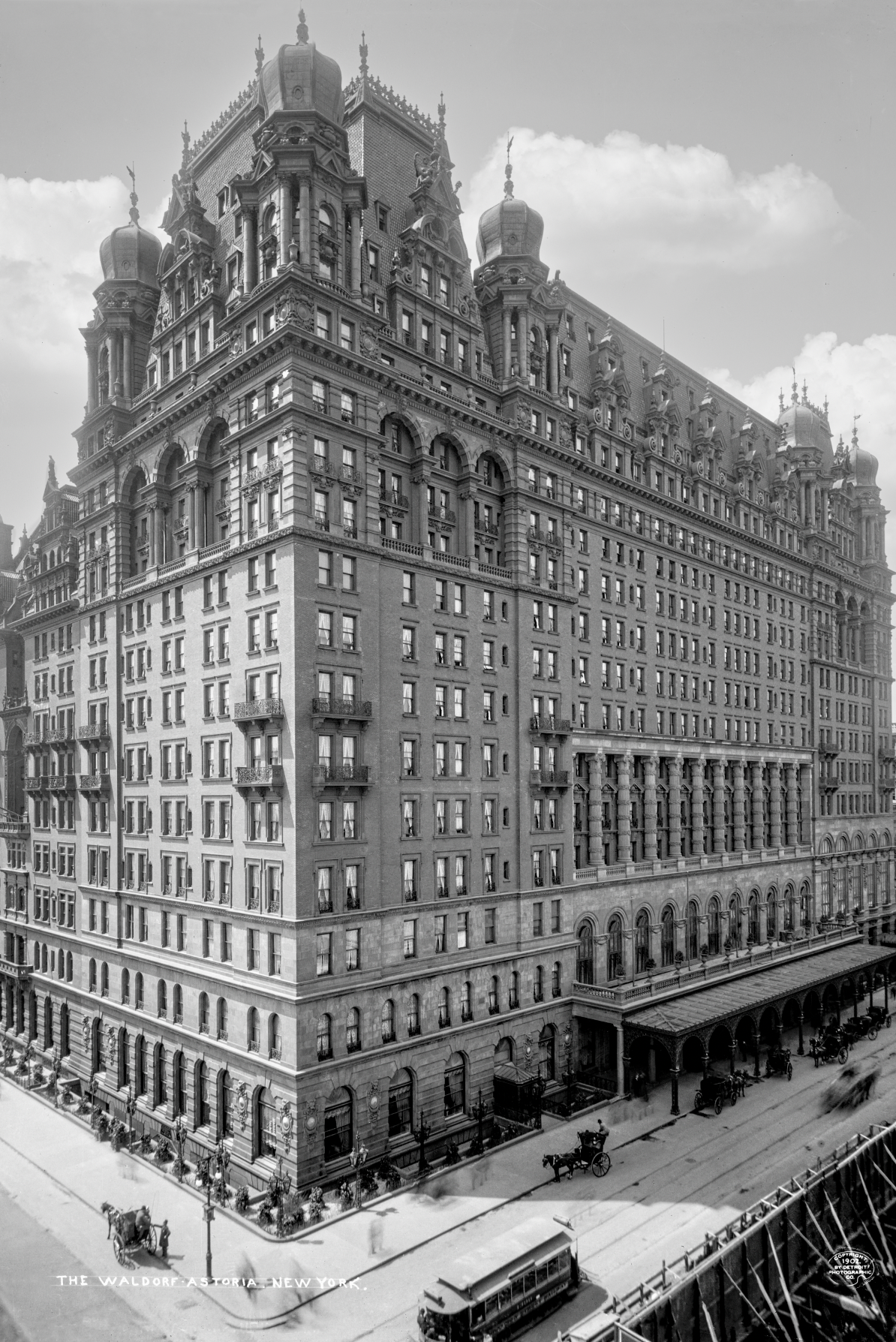
New York's skyline wasn't built overnight. Vintage photographs of Trinity Church, the Plaza, Waldorf-Astoria, Chrysler Building, Empire State Building and Rockefeller Center reveal how Manhattan grew from a city of church steeples and grand hotels into the skyscraper capital of the world.


The Old West Never Really Ended
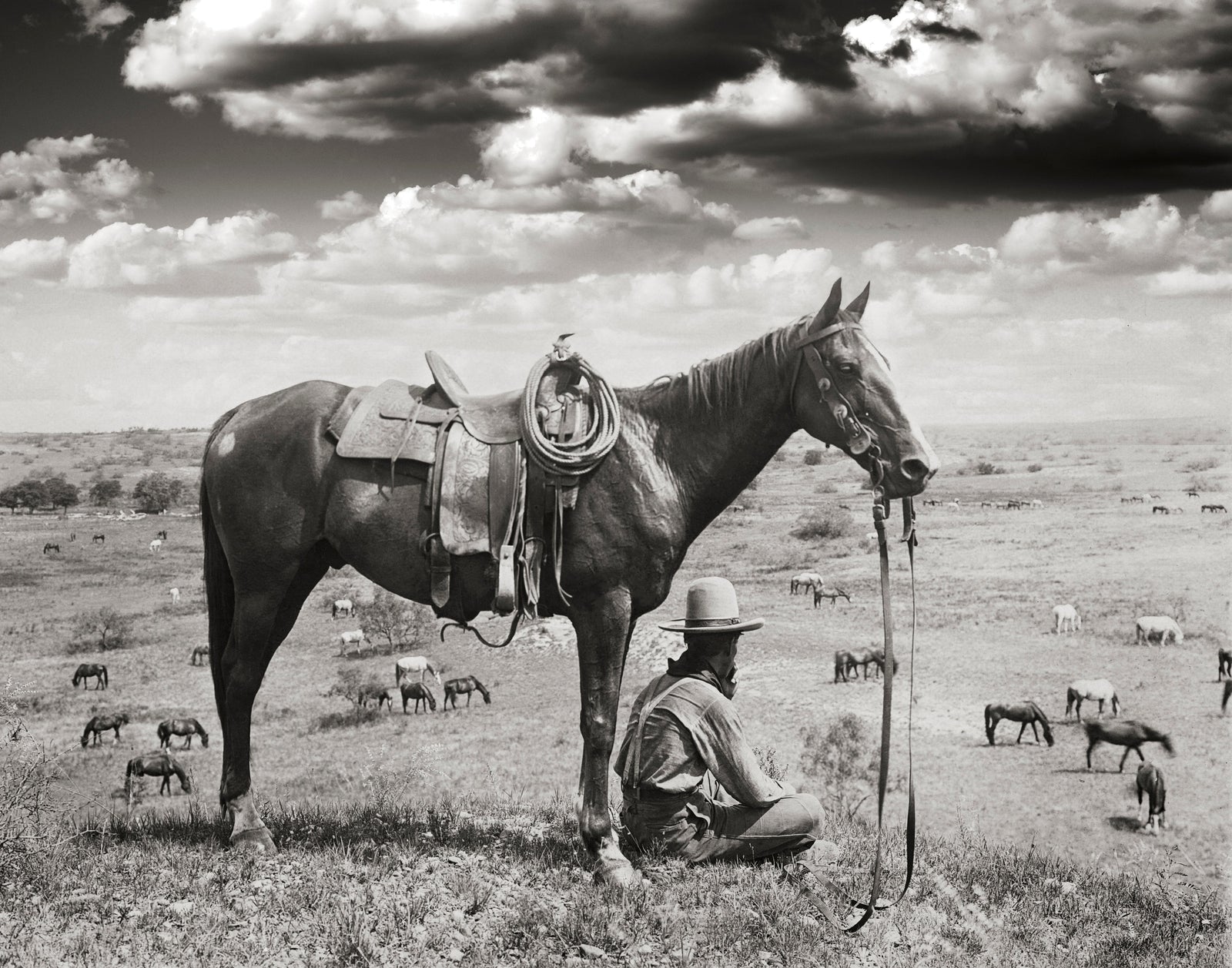
A cowboy on horseback overlooks the Dallas skyline in 1943—an image that seems to capture the Old West and modern America in a single frame. But the cowboy didn't disappear when the frontier closed. Discover how real working cowboys, rodeos, music and Hollywood carried the Old West into the 20th century.
Let customers speak for us
Gems
These short clips are gems. They are part of the history of music in America. Thank you for posting.
S. Kelley Chambers

Love the print and perfect decor for our n...
Love the print and perfect decor for our new apartment in Pittsburgh.
Chris P

5 stars review from Laura
5 stars review from Laura
Laura D

5 stars review from Geri
5 stars review from Geri
Geri L

5 stars review from Stephanie
5 stars review from Stephanie
Stephanie

5 stars review from Brookelynz
5 stars review from Brookelynz
Brookelynz
5 stars review from Deborah
5 stars review from Deborah
Deborah G

Spectacular!
Received as a gift and could not be happier with the quality of the print. Shipping container ensure this arrived in perfect condition.
John

5 stars review from Kayla
5 stars review from Kayla
Kayla G

5 stars review from Blondiee
5 stars review from Blondiee
Blondiee

5 stars review from April
5 stars review from April
April Y

5 stars review from Tracie
5 stars review from Tracie
Tracie C

Great quality and fast delivery!
Great quality and fast delivery!
Amanda C

5 stars review from Autumnrayne4
5 stars review from Autumnrayne4
Autumnrayne4

5 stars review from Traca
5 stars review from Traca
Traca B
