

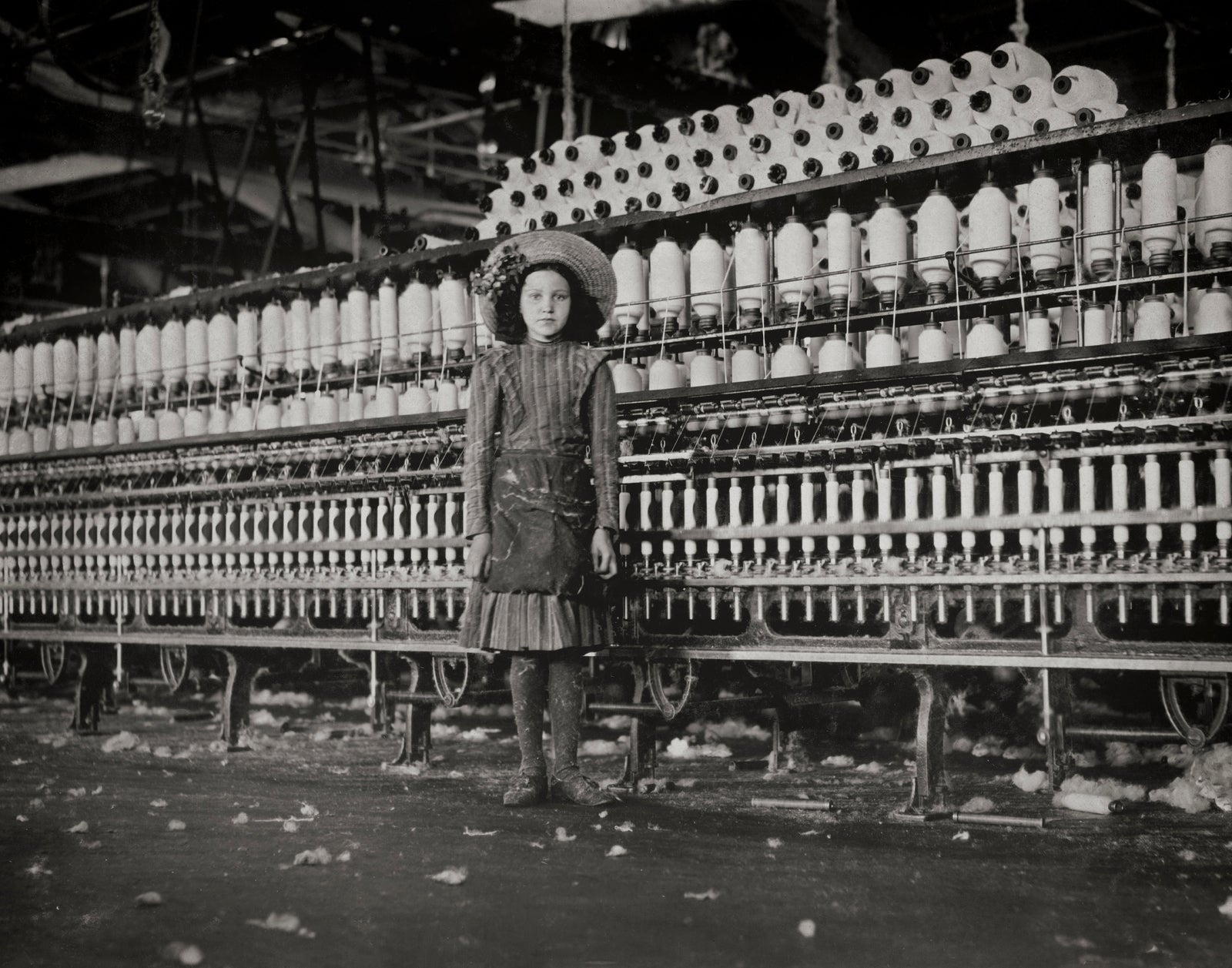

Lewis Hine and the Camera That Challenged Child Labor
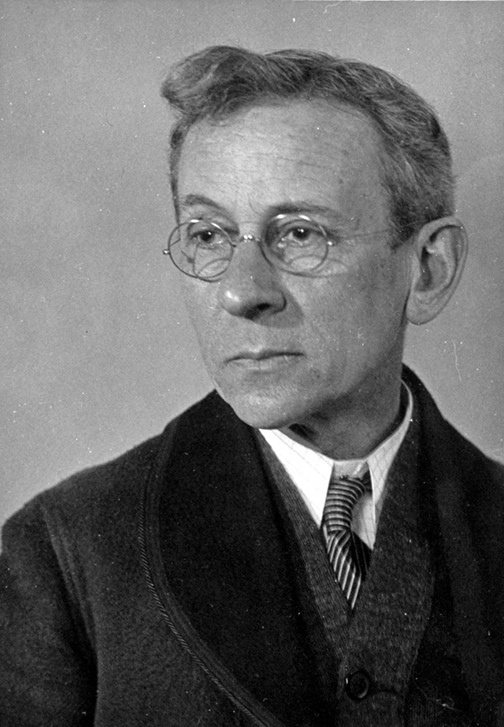
At the turn of the twentieth century, millions of American children were working long hours in mills, mines, factories, canneries, and on city streets. They labored in cotton mills in the South, picked berries under contract, hauled coal in Pennsylvania breakers, and sold newspapers in urban centers long past midnight. The work was dangerous, exhausting, and often invisible to the broader public. What changed that invisibility was not legislation at first, but photography. And no photographer did more to expose the reality of child labor than Lewis Hine.
Hine did not begin his career intending to become one of the most influential social documentary photographers in American history. He was trained as a teacher and sociologist. Born in 1874 in Oshkosh, Wisconsin, he studied sociology at the University of Chicago and later at Columbia University and New York University. His interest was not art for art’s sake. It was social reform. The camera, for him, became a tool of evidence.
Early Work and the Power of Documentation
Hine’s first significant photographic work began at the Ethical Culture School in New York City, where he taught. The school’s progressive philosophy encouraged students to understand social realities firsthand. Hine brought his students to photograph immigrants arriving at Ellis Island. Those early images did more than document faces; they humanized newcomers at a time when immigration was hotly debated. He learned quickly that a photograph could shift perception in ways statistics alone could not.
In 1908, Hine began working for the National Child Labor Committee (NCLC), an organization founded to end exploitative child labor practices in the United States. At that time, child labor was common and largely accepted as necessary for economic survival. Reformers had tried to push for legislation, but business interests resisted, arguing that families depended on children’s wages.
The NCLC understood something crucial: to change law, they first had to change public opinion. Hine was hired as their investigative photographer.
Entering Mills, Mines, and Factories
Gaining access to workplaces was not easy. Factory owners did not want documentation. Hine often posed as an insurance agent, Bible salesman, or industrial photographer to enter mills and mines. He carried notebooks and meticulously recorded names, ages, hours worked, and wages whenever possible. His images were not casual snapshots. They were accompanied by careful captions that turned pictures into evidence.
In textile mills across the Carolinas and Georgia, Hine photographed small children standing beside massive machinery. In coal mines in Pennsylvania, he captured breaker boys covered in coal dust, their faces aged beyond their years. In canneries, he documented children shucking oysters with bleeding hands. In city streets, he followed newsboys working late into the night.
One of his most powerful strategies was scale. He often positioned children next to large machines so viewers could see how small they were in comparison. The visual contrast made exploitation undeniable.
Making the Invisible Visible
Before Hine, much of child labor was abstract. Reformers could cite numbers—hundreds of thousands of children working—but numbers do not evoke empathy on their own. Hine’s photographs provided faces. A girl with tangled hair working a spinning frame. A barefoot boy in a coal chute. A tired newsboy asleep on a doorstep with papers scattered beside him.
The impact came from dignity. Hine did not photograph children as curiosities or spectacles. He portrayed them as individuals. His images conveyed fatigue, resilience, vulnerability, and humanity. Viewers were not asked to pity these children; they were asked to see them.
The photographs were published in pamphlets, magazines, exhibitions, and lantern slide lectures. Reformers used them in campaigns, presentations, and lobbying efforts. The images circulated widely enough that the reality of child labor became difficult to deny.
Legislative Struggles and Slow Progress
Reform did not happen overnight. Early federal attempts to regulate child labor were struck down by the Supreme Court. The Keating-Owen Act of 1916, which restricted interstate commerce in goods produced by child labor, was declared unconstitutional in 1918. A later Child Labor Tax Law met a similar fate.
But the cultural ground had shifted. Public awareness had grown. Hine’s photographs played a central role in that shift. They strengthened the reform movement and made inaction politically costly.
It was not until the Fair Labor Standards Act of 1938 that strong federal child labor protections were enacted. By then, Hine’s most intense child labor work had been completed for decades. Yet the images he created between 1908 and 1918 had helped build the moral foundation for that legislation.
Photography as Social Reform
Hine believed that photographs could serve as “social documents.” He famously said he wanted to show “the things that had to be corrected” and “the things that had to be appreciated.” His work was not neutral. It was purposeful.
Unlike some later documentary photographers, Hine was explicit about his reform agenda. He did not claim detachment. He understood that framing, context, and captioning shaped interpretation. He used that knowledge strategically.
What distinguished Hine from simple muckraking journalism was his combination of artistry and data. He combined careful composition with recorded testimony. His captions often included exact ages and work hours. When children claimed to be older than they were—a common tactic encouraged by employers—Hine sometimes estimated their true ages and noted discrepancies. He turned visual storytelling into investigative reporting.
Broader Contributions and Later Work
Although child labor is central to his legacy, Hine’s career extended beyond it. In the 1920s and 1930s, he documented industrial workers and major construction projects, including the building of the Empire State Building. His photographs of steelworkers suspended hundreds of feet above New York City became iconic representations of modern industry and labor.
Ironically, despite his influence, Hine struggled financially later in life. As documentary photography evolved and funding for reform projects shifted, he found fewer assignments. He died in 1940, relatively underrecognized compared to the long-term impact of his work.
Lasting Impact
Today, Lewis Hine is considered a foundational figure in social documentary photography. More importantly, his child labor photographs remain part of the historical record that helped transform American labor law.
Child labor did not disappear entirely in the United States, nor has it vanished globally. But the normalization of widespread industrial child labor in early twentieth-century America was fundamentally challenged by visual evidence. Hine’s photographs forced middle-class Americans—many of whom had never entered a mill or mine—to confront what was happening in their name and in their economy.
His work demonstrates a broader truth: reform movements often require more than argument. They require proof that cannot be ignored.
The Historical Significance
The history of child labor reform in the United States is complex, involving activists, legislators, unions, and court battles. Yet within that history, Lewis Hine occupies a distinct role. He provided the moral lens through which the issue could be seen clearly.
Without his photographs, child labor might still have been debated in abstractions—economic necessity versus regulation. With his photographs, the debate became about children with names, faces, and stories.
The camera did not pass the laws. Congress did. But the camera shaped the climate in which those laws became possible.
That is Lewis Hine’s enduring historical contribution. See Lewis Hine's Photogaphs.
Leave a comment
Comments will be approved before showing up.
Also in Time Capsule
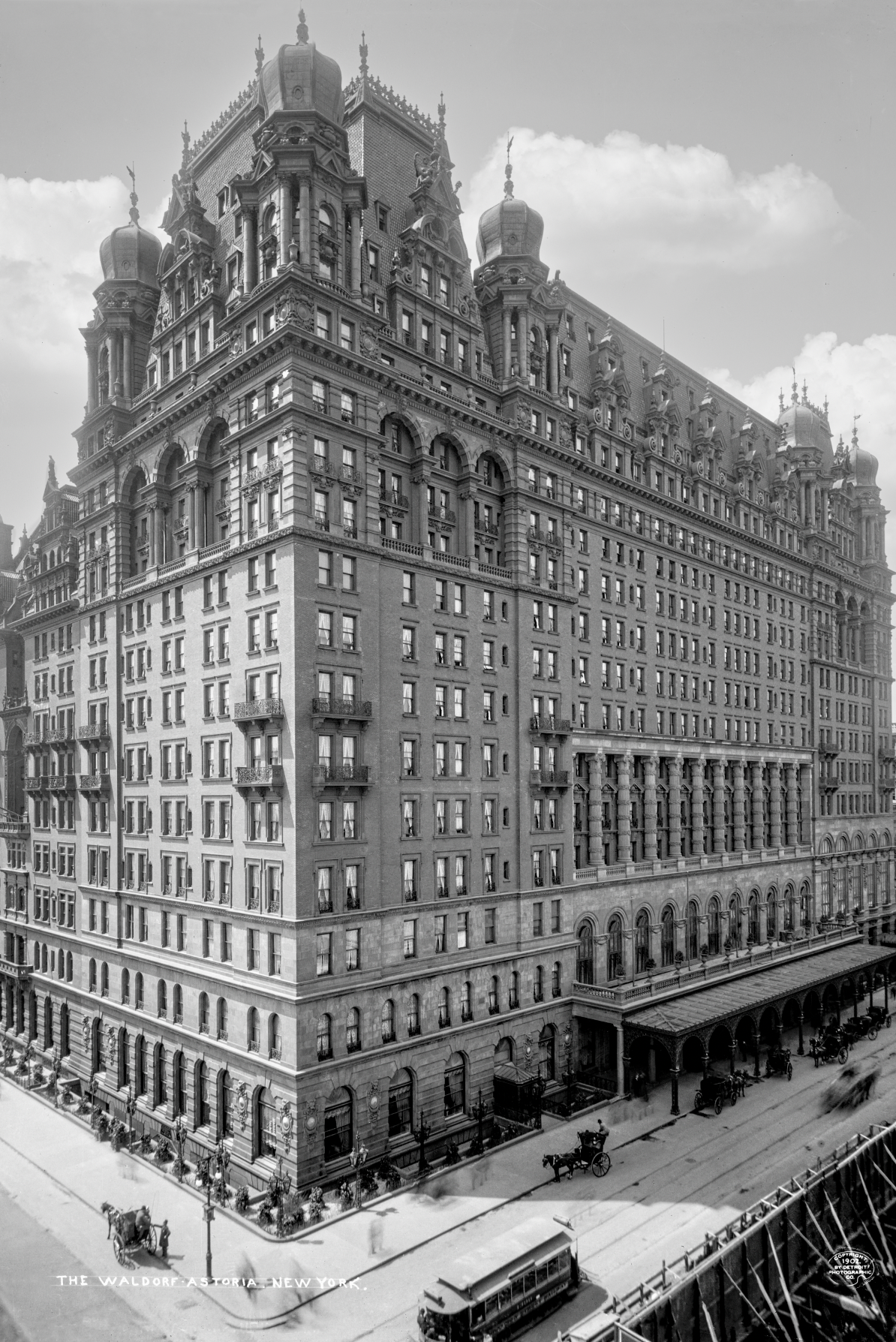

Six New York Landmarks That Changed the Manhattan Skyline
New York's skyline wasn't built overnight. Vintage photographs of Trinity Church, the Plaza, Waldorf-Astoria, Chrysler Building, Empire State Building and Rockefeller Center reveal how Manhattan grew from a city of church steeples and grand hotels into the skyscraper capital of the world.

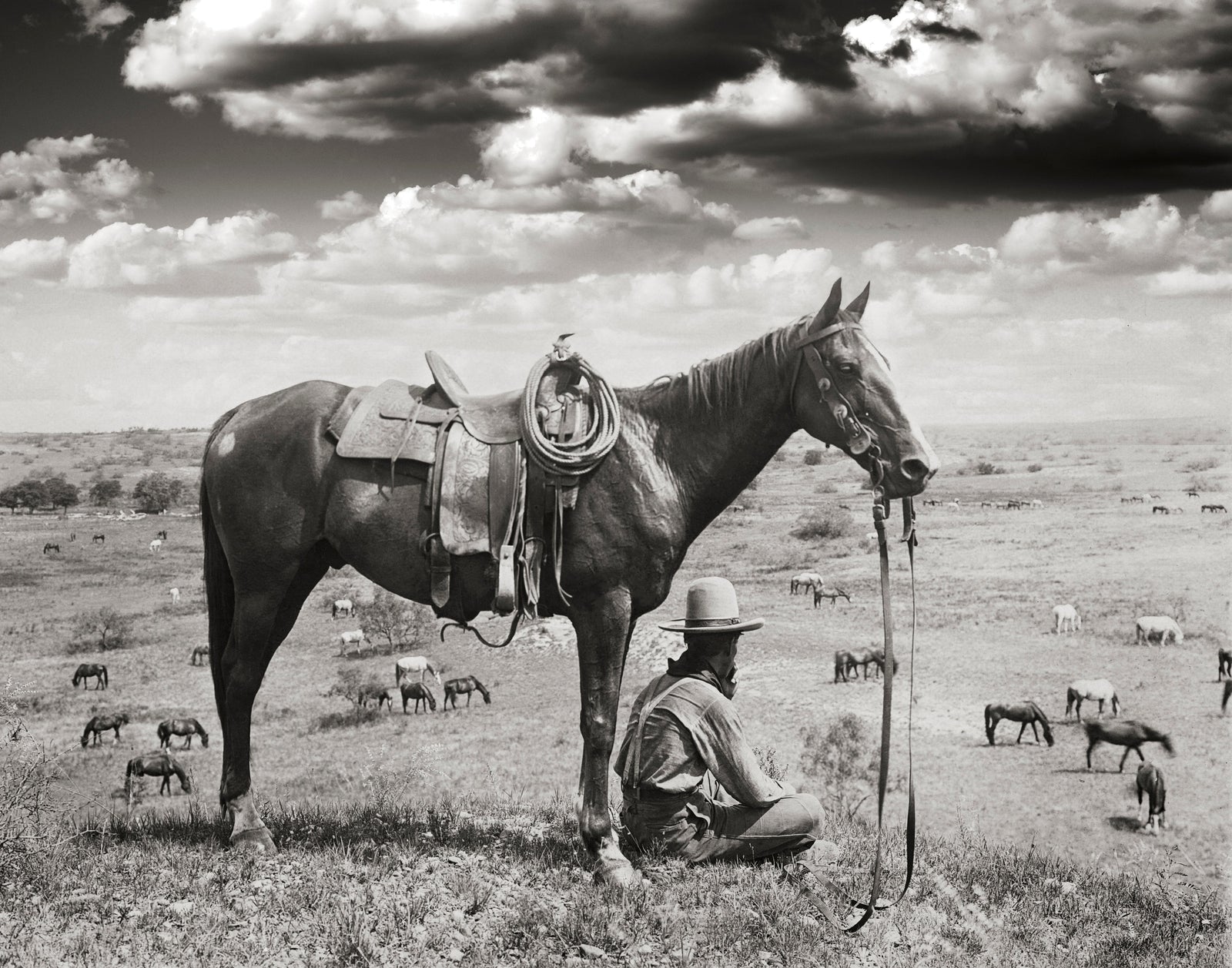

The Old West Never Really Ended
A cowboy on horseback overlooks the Dallas skyline in 1943—an image that seems to capture the Old West and modern America in a single frame. But the cowboy didn't disappear when the frontier closed. Discover how real working cowboys, rodeos, music and Hollywood carried the Old West into the 20th century.
Let customers speak for us
Gems
These short clips are gems. They are part of the history of music in America. Thank you for posting.
S. Kelley Chambers

Love the print and perfect decor for our n...
Love the print and perfect decor for our new apartment in Pittsburgh.
Chris P

5 stars review from Laura
5 stars review from Laura
Laura D

5 stars review from Geri
5 stars review from Geri
Geri L

5 stars review from Stephanie
5 stars review from Stephanie
Stephanie

5 stars review from Brookelynz
5 stars review from Brookelynz
Brookelynz
5 stars review from Deborah
5 stars review from Deborah
Deborah G

Spectacular!
Received as a gift and could not be happier with the quality of the print. Shipping container ensure this arrived in perfect condition.
John

5 stars review from Kayla
5 stars review from Kayla
Kayla G

5 stars review from Blondiee
5 stars review from Blondiee
Blondiee

5 stars review from April
5 stars review from April
April Y

5 stars review from Tracie
5 stars review from Tracie
Tracie C

Great quality and fast delivery!
Great quality and fast delivery!
Amanda C

5 stars review from Autumnrayne4
5 stars review from Autumnrayne4
Autumnrayne4

5 stars review from Traca
5 stars review from Traca
Traca B
