

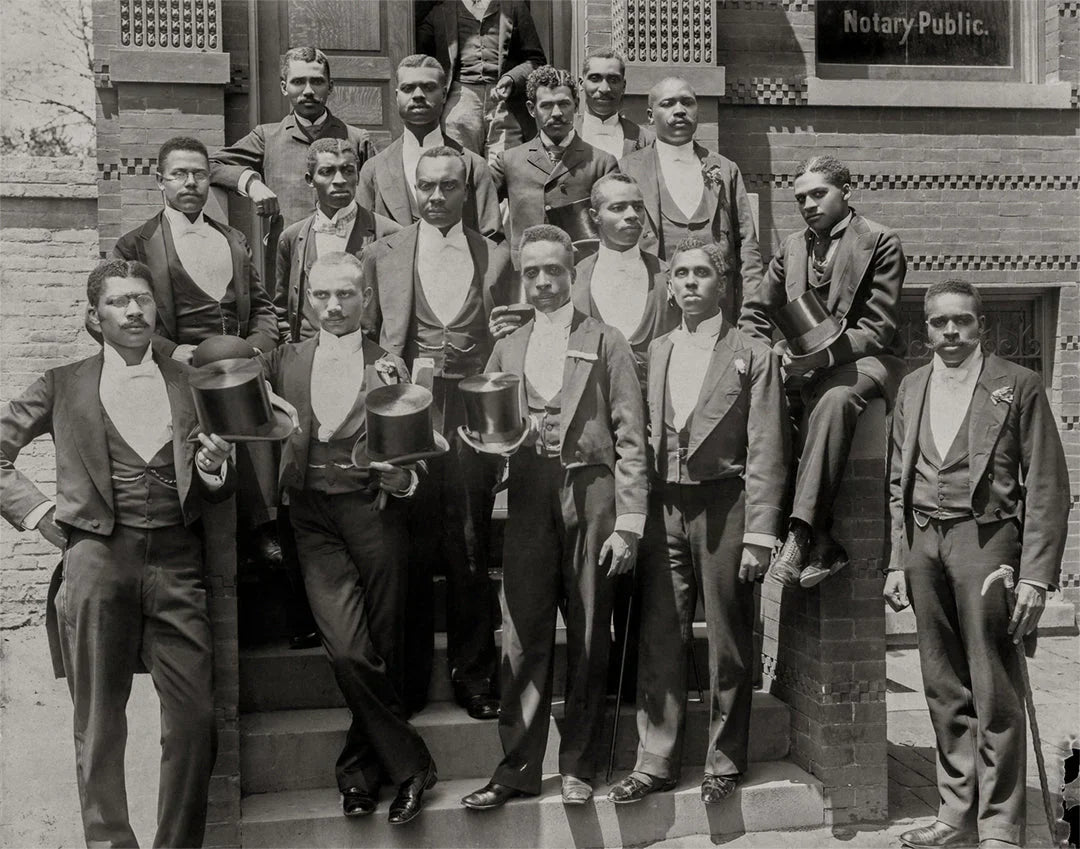

The History of Howard University
A University Born from Reconstruction
Howard University was founded in 1867 in the turbulent aftermath of the Civil War. The United States was deep in Reconstruction, attempting to redefine citizenship, freedom, and political power in a nation that had just abolished slavery. For millions of newly freed African Americans, education was both an urgent need and a revolutionary act.
The university was chartered by the federal government and named after General Oliver Otis Howard, a Civil War hero and head of the Freedmen’s Bureau. The Bureau played a central role in assisting formerly enslaved people with education, housing, and employment. Howard University was created to be part of that mission — not merely to teach basic literacy, but to provide higher education at a time when such opportunities were systematically denied to Black Americans.
From its beginning, Howard was open to students of all races and both sexes. That was not symbolic. It was radical.
Building an Intellectual Center for Black America
In its early decades, Howard developed professional schools in law, medicine, and theology. This was strategic. Education alone was not enough; the Black community needed lawyers, doctors, clergy, and teachers to build independent institutions and defend civil rights.
Howard University School of Law became particularly significant. It trained attorneys who would go on to dismantle segregation through the courts. The school later became the intellectual training ground for figures such as Thurgood Marshall, who would argue Brown v. Board of Education before the Supreme Court.
Howard’s College of Medicine, founded in 1868, provided opportunities for Black physicians at a time when most medical schools excluded them. The university became a pipeline for professional leadership across the country.
In Washington, D.C., Howard’s campus quickly became more than an academic setting. It became a cultural and political nerve center for Black America.
The Rise of “The Mecca”
By the early 20th century, Howard had earned a reputation as “The Mecca.” The term reflected its role as a gathering place for Black intellectual life. Students came from across the United States, the Caribbean, Africa, and beyond.
During the Harlem Renaissance era, Howard faculty and alumni shaped American culture. Scholar Alain Locke, often called the “Dean” of the Harlem Renaissance, taught philosophy at Howard. Zora Neale Hurston and other major cultural figures passed through its classrooms.
Howard fostered debate, dissent, and ambition. It was not simply a college; it was an incubator of ideas that influenced literature, law, medicine, journalism, and politics nationwide.
A Center of Civil Rights Strategy
Howard’s influence intensified during the Civil Rights Movement. Faculty and students were deeply engaged in activism, protest, and legal strategy. The university served as a staging ground for intellectual resistance against Jim Crow laws.
Under the leadership of Charles Hamilton Houston, Howard Law School developed the legal framework that would ultimately dismantle segregation. Houston mentored Thurgood Marshall and other attorneys who built the NAACP’s litigation strategy.
Students at Howard also protested inequities within Washington, D.C. itself. In the 1960s, campus activism expanded beyond civil rights to include anti-war demonstrations and demands for Black studies programs.
Howard was never politically neutral. It consistently positioned itself at the center of national conversations about race, democracy, and power.
Growth, Challenge, and Endurance
Like many institutions, Howard faced financial strain, political controversy, and internal debate throughout the 20th century. Yet it endured.
The university expanded its academic offerings, strengthened research programs, and continued to produce leaders in government, arts, science, and business. Alumni include figures such as Vice President Kamala Harris, novelist Toni Morrison, actor Chadwick Boseman, and countless members of Congress, judges, educators, and entrepreneurs.
Howard’s physical campus, anchored by Founders Library, stands on a hill in Northwest Washington. But its reach has always extended far beyond the District.
Howard in the 21st Century
Today, Howard University remains one of the most prominent historically Black colleges and universities in the United States. It combines its historic mission with modern research initiatives, technology programs, and global partnerships.
It continues to draw students who see education not only as personal advancement but as communal responsibility.
Howard’s history cannot be separated from the broader history of Black America. Founded during Reconstruction, strengthened during segregation, instrumental during civil rights battles, and still influential in national leadership, the university has consistently operated as both academic institution and moral force.
It began in 1867 as a response to emancipation. More than a century and a half later, it remains a symbol of intellectual determination and institutional resilience.
Leave a comment
Comments will be approved before showing up.
Also in Time Capsule

Six New York Landmarks That Changed the Manhattan Skyline
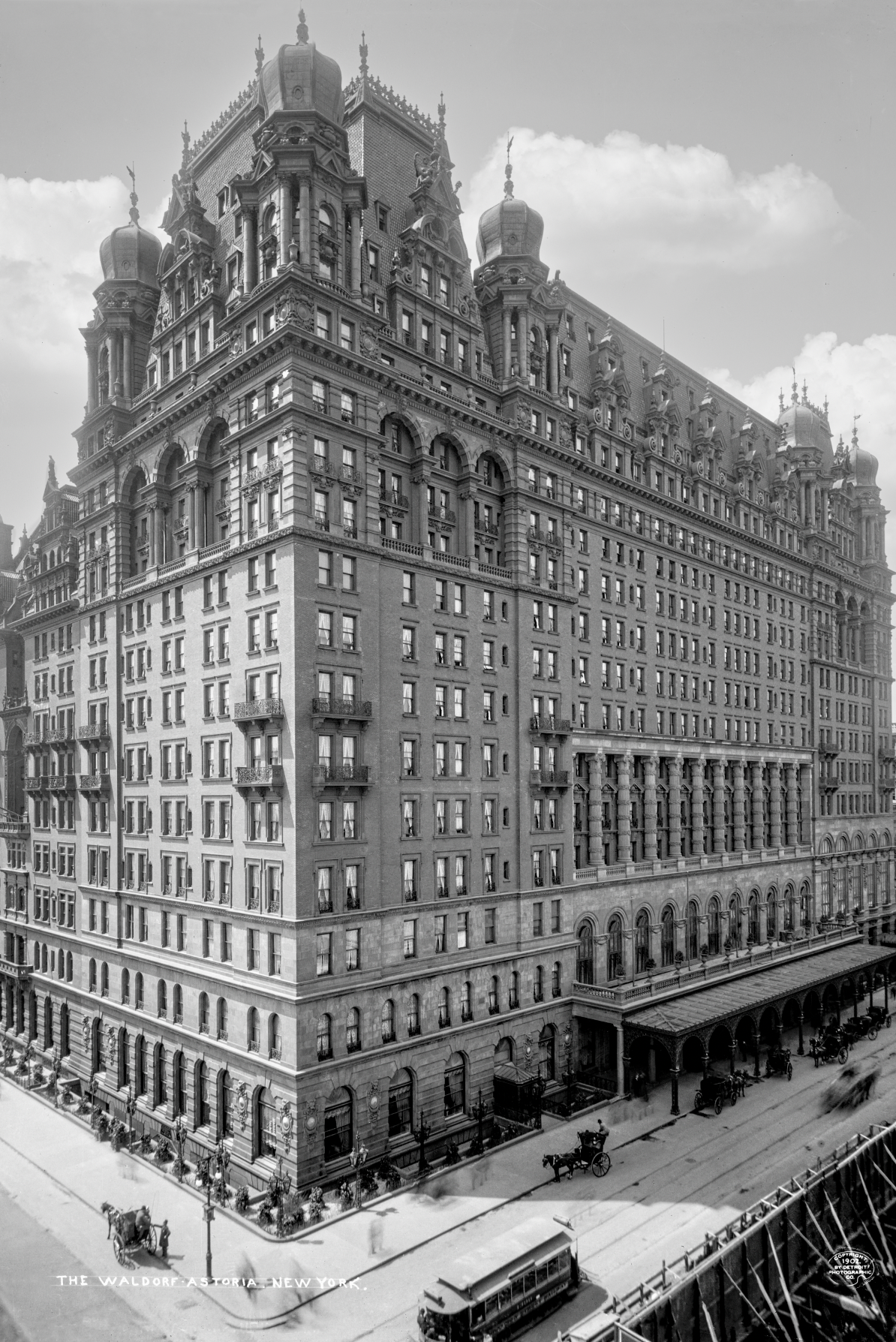
New York's skyline wasn't built overnight. Vintage photographs of Trinity Church, the Plaza, Waldorf-Astoria, Chrysler Building, Empire State Building and Rockefeller Center reveal how Manhattan grew from a city of church steeples and grand hotels into the skyscraper capital of the world.


The Old West Never Really Ended
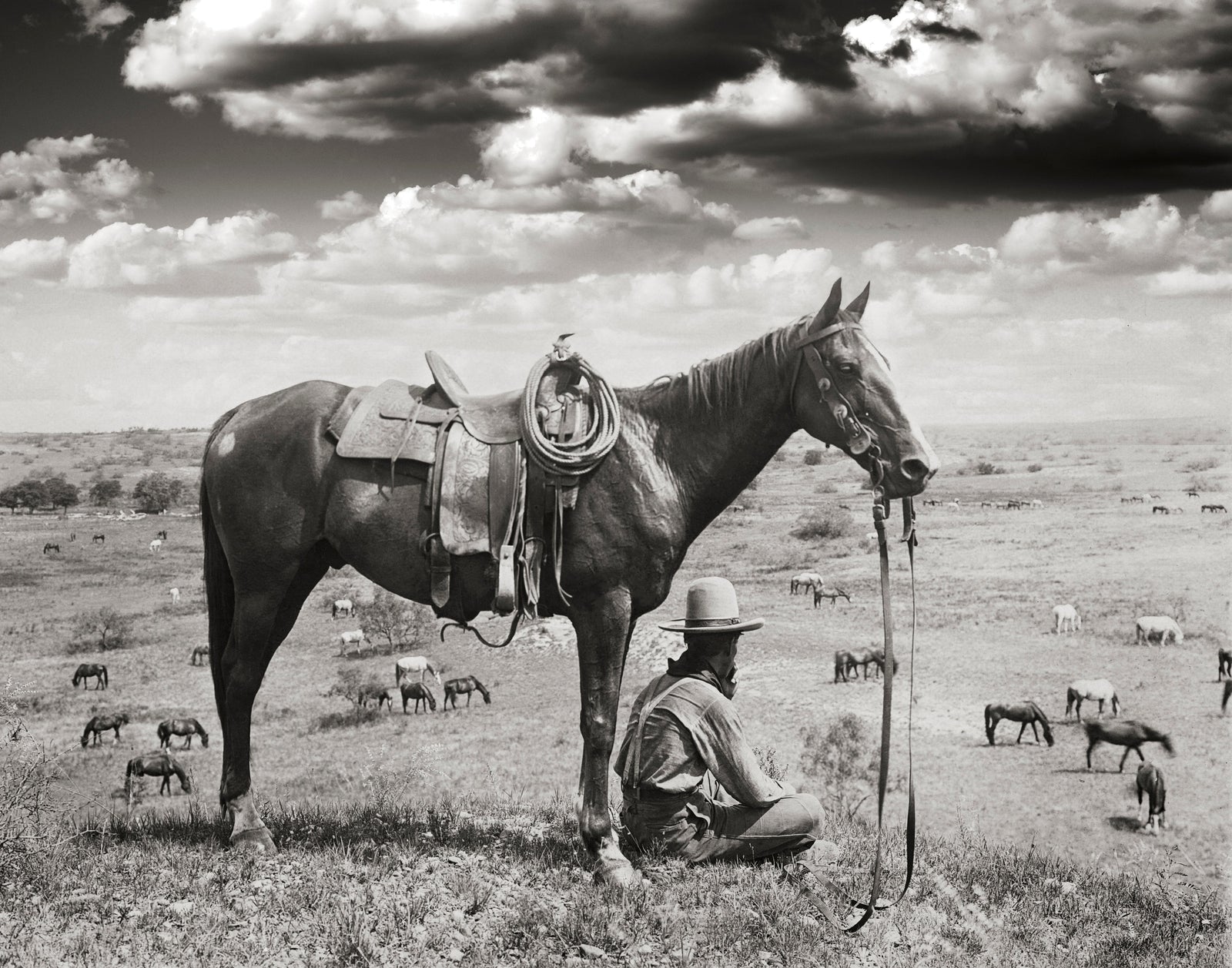
A cowboy on horseback overlooks the Dallas skyline in 1943—an image that seems to capture the Old West and modern America in a single frame. But the cowboy didn't disappear when the frontier closed. Discover how real working cowboys, rodeos, music and Hollywood carried the Old West into the 20th century.
Let customers speak for us
Gems
These short clips are gems. They are part of the history of music in America. Thank you for posting.
S. Kelley Chambers

Love the print and perfect decor for our n...
Love the print and perfect decor for our new apartment in Pittsburgh.
Chris P

5 stars review from Laura
5 stars review from Laura
Laura D

5 stars review from Geri
5 stars review from Geri
Geri L

5 stars review from Stephanie
5 stars review from Stephanie
Stephanie

5 stars review from Brookelynz
5 stars review from Brookelynz
Brookelynz
5 stars review from Deborah
5 stars review from Deborah
Deborah G

Spectacular!
Received as a gift and could not be happier with the quality of the print. Shipping container ensure this arrived in perfect condition.
John

5 stars review from Kayla
5 stars review from Kayla
Kayla G

5 stars review from Blondiee
5 stars review from Blondiee
Blondiee

5 stars review from April
5 stars review from April
April Y

5 stars review from Tracie
5 stars review from Tracie
Tracie C

Great quality and fast delivery!
Great quality and fast delivery!
Amanda C

5 stars review from Autumnrayne4
5 stars review from Autumnrayne4
Autumnrayne4

5 stars review from Traca
5 stars review from Traca
Traca B
