


Ida B. Wells: Truth as a Weapon
In the late nineteenth century, when speaking openly against racial terror could cost a person their livelihood—or their life—Ida B. Wells chose to speak anyway. She was not cautious in her convictions. She was precise, documented, and relentless. At a time when much of the country either ignored or justified mob violence against Black Americans, Wells gathered evidence, published names, and forced the nation to confront what it preferred to deny.
Born enslaved in 1862 in Holly Springs, Mississippi, Wells entered the world in the shadow of the Civil War. Emancipation came when she was an infant, but freedom did not bring security. After both of her parents died in a yellow fever epidemic when she was sixteen, Wells became the primary caregiver for her siblings. She began teaching to support them, a responsibility that shaped her independence early. It also sharpened her understanding of how power worked in the post-Reconstruction South.
Confronting Segregation
Wells first gained public attention not for anti-lynching activism, but for challenging segregation. In 1884, she was forcibly removed from a first-class train car in Tennessee despite having purchased a ticket. Rather than accept humiliation, she sued the railroad company and initially won. Though the ruling was later overturned, the episode marked the beginning of her public life. She learned that the law could be used as a tool—but also that it was unreliable when Black citizens sought justice.
She turned to journalism. Writing under the pen name “Iola,” Wells became a co-owner and editor of the Memphis Free Speech newspaper. Her articles were direct and unsparing. She wrote about unequal schools, discriminatory practices, and violence against Black communities. She did not write to soothe readers; she wrote to inform and provoke.
Exposing the Truth About Lynching
The turning point came in 1892, when three Black businessmen—friends of Wells—were lynched in Memphis after their successful grocery store competed with a white-owned business. The official narrative claimed criminal wrongdoing. Wells investigated and concluded otherwise. The murders were not about justice; they were about economic competition and racial control.
She began compiling data on lynchings across the South. In pamphlets such as “Southern Horrors” and “The Red Record,” she documented cases, debunked the widespread myth that lynching was primarily a response to sexual assault, and argued that it was a systematic tool of terror. Her reporting was evidence-based and methodical. She named names.
The backlash was swift. Her newspaper office was destroyed by a mob while she was traveling. She received threats and could not safely return to Memphis. Many would have retreated. Wells expanded her platform instead. She traveled to the North and to Britain, speaking publicly and appealing to international audiences. She understood something critical: public opinion, especially global opinion, could pressure institutions that local courts would not.
A National Organizer
After settling in Chicago, Wells broadened her activism. She was instrumental in founding organizations that would later become central to civil rights advocacy, including the precursor to the NAACP. Yet even within reform movements, she faced resistance—not only from white activists uncomfortable with her uncompromising stance, but also from male leaders who sidelined women’s voices.
Wells did not wait for permission. She organized Black women through clubs and suffrage associations. When the national women’s suffrage movement marginalized Black women, she refused to walk at the back of the 1913 suffrage parade in Washington, D.C. Instead, she stepped into the Illinois delegation mid-march. It was a small physical act with symbolic weight: equality meant equality, not token inclusion.
Journalism as Accountability
Wells’ work stands out not only for its courage but for its method. She insisted on documentation. She gathered statistics. She examined court records and newspaper reports. In an era long before digital databases, she built her case by hand. Her approach anticipated modern investigative journalism and civil rights reporting. She understood that outrage without evidence could be dismissed; documented truth was harder to ignore.
At the same time, she recognized that facts alone were not enough. She framed her writing in moral terms, calling lynching what it was—terrorism. She demanded federal anti-lynching legislation decades before such laws would even be seriously debated. Although a federal anti-lynching bill did not pass during her lifetime, her persistent advocacy laid groundwork that later generations would build upon.
Legacy and Influence
Ida B. Wells died in 1931, long before the landmark civil rights victories of the 1950s and 1960s. But her influence runs through them. Leaders such as Martin Luther King Jr. and organizations that challenged segregation inherited a strategy she helped refine: document injustice, publicize it, mobilize communities, and demand structural change.
In 2020, she was posthumously awarded a Pulitzer Prize special citation for her outstanding and courageous reporting on the violence against African Americans during the era of lynching. The recognition came nearly ninety years after her death. It was overdue, but fitting.
Wells’ life offers a clear lesson. Systems of injustice rely on silence, distortion, and fear. She countered them with information, exposure, and refusal. She did not wait for a safer moment. She worked with what she had—ink, paper, and conviction—and forced the country to confront itself.
Her story is not only about resistance. It is about disciplined courage. She chose accuracy over rumor, persistence over comfort, and action over resignation. That combination made her dangerous to the status quo—and essential to American history.
Leave a comment
Comments will be approved before showing up.
Also in Time Capsule
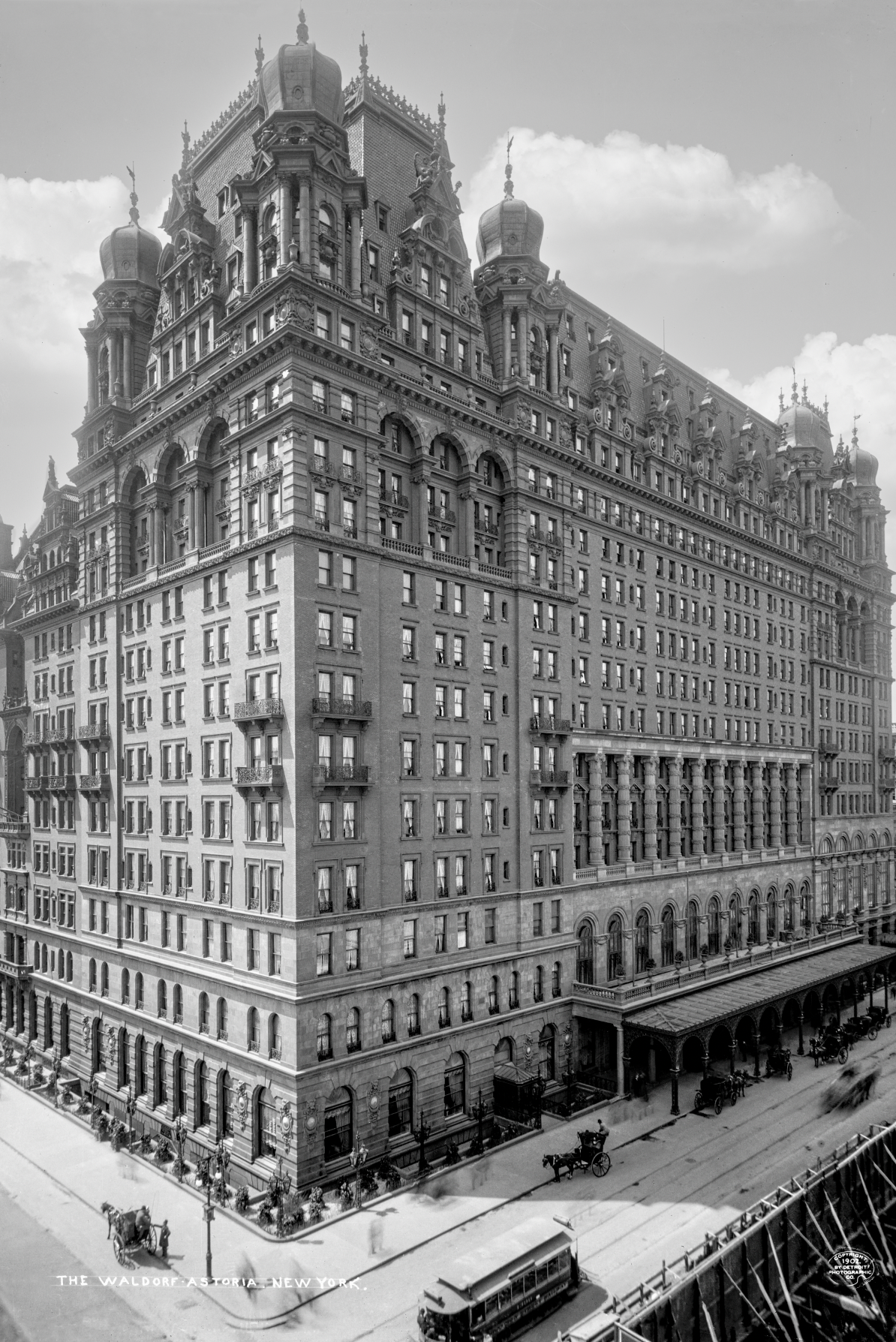

Six New York Landmarks That Changed the Manhattan Skyline
New York's skyline wasn't built overnight. Vintage photographs of Trinity Church, the Plaza, Waldorf-Astoria, Chrysler Building, Empire State Building and Rockefeller Center reveal how Manhattan grew from a city of church steeples and grand hotels into the skyscraper capital of the world.

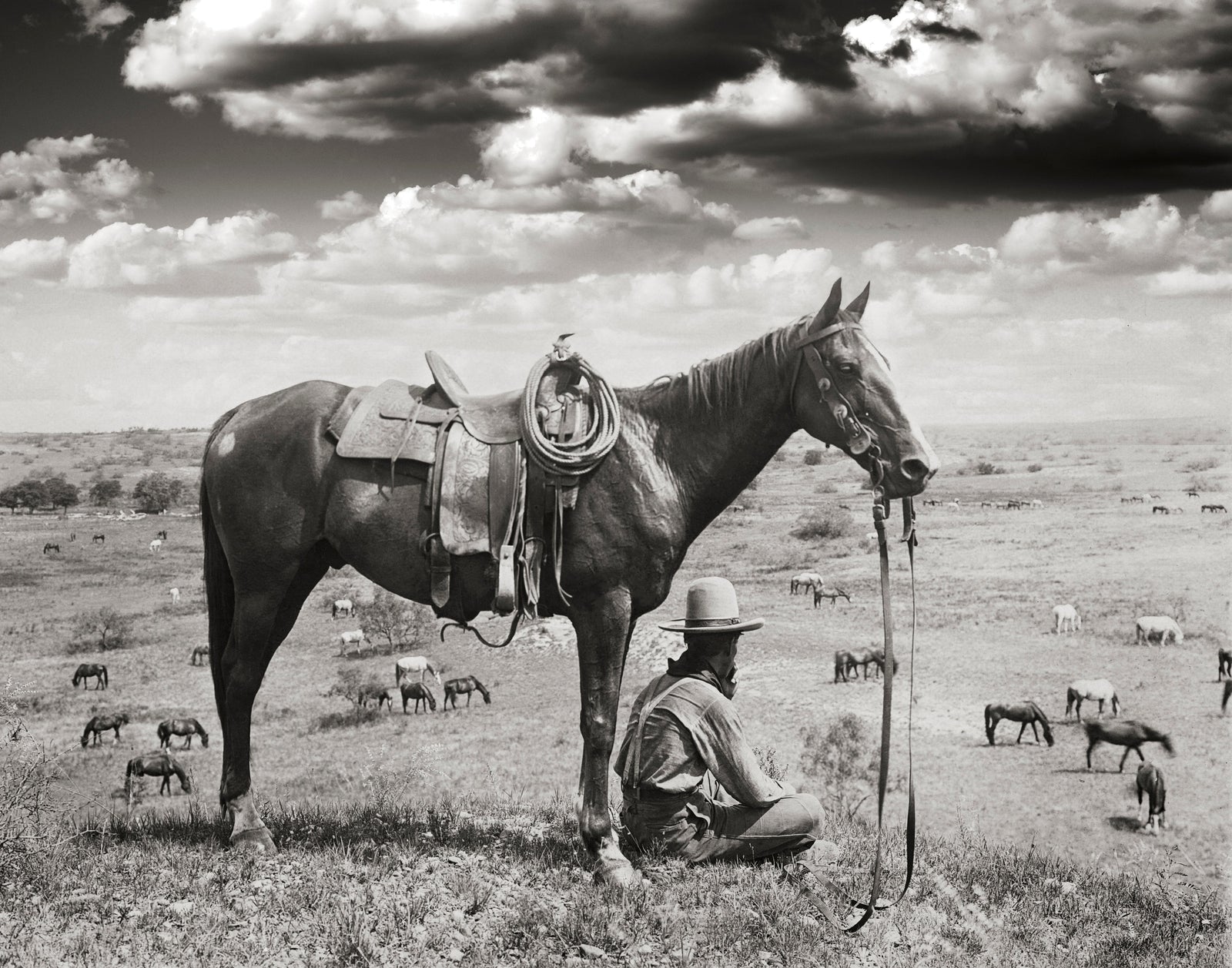

The Old West Never Really Ended
A cowboy on horseback overlooks the Dallas skyline in 1943—an image that seems to capture the Old West and modern America in a single frame. But the cowboy didn't disappear when the frontier closed. Discover how real working cowboys, rodeos, music and Hollywood carried the Old West into the 20th century.
Let customers speak for us
Gems
These short clips are gems. They are part of the history of music in America. Thank you for posting.
S. Kelley Chambers

Love the print and perfect decor for our n...
Love the print and perfect decor for our new apartment in Pittsburgh.
Chris P

5 stars review from Laura
5 stars review from Laura
Laura D

5 stars review from Geri
5 stars review from Geri
Geri L

5 stars review from Stephanie
5 stars review from Stephanie
Stephanie

5 stars review from Brookelynz
5 stars review from Brookelynz
Brookelynz
5 stars review from Deborah
5 stars review from Deborah
Deborah G

Spectacular!
Received as a gift and could not be happier with the quality of the print. Shipping container ensure this arrived in perfect condition.
John

5 stars review from Kayla
5 stars review from Kayla
Kayla G

5 stars review from Blondiee
5 stars review from Blondiee
Blondiee

5 stars review from April
5 stars review from April
April Y

5 stars review from Tracie
5 stars review from Tracie
Tracie C

Great quality and fast delivery!
Great quality and fast delivery!
Amanda C

5 stars review from Autumnrayne4
5 stars review from Autumnrayne4
Autumnrayne4

5 stars review from Traca
5 stars review from Traca
Traca B
