


Sweet Relief in the Heat: The History of the Ice Stand
Ice Before Refrigerators
Long before modern refrigeration made frozen treats available in every grocery store, ice itself was a luxury. In the nineteenth century, blocks of ice were harvested from frozen lakes during winter, cut into massive cubes, and stored in insulated ice houses packed with sawdust. This harvested ice was transported by rail and ship to cities across the United States and Europe, creating a booming industry known as the ice trade.
Because ice was precious and difficult to obtain, it quickly became the foundation for seasonal refreshments sold on city streets. Vendors discovered that by shaving or crushing ice and adding flavored syrups, they could create inexpensive treats that provided relief from summer heat. These early frozen refreshments were simple, but they were wildly popular. The concept of the ice stand—essentially a small stall or cart selling flavored ice—was born from this basic idea.
Street Vendors and the Birth of Frozen Treats
By the late nineteenth century, street vendors in American cities were selling a variety of ice-based treats. In many neighborhoods, particularly immigrant communities, small carts appeared on busy corners during hot months. Vendors shaved ice by hand using metal tools and topped it with fruit syrups or sweetened flavorings.
These early ice sellers were especially common in cities with large immigrant populations. Italian immigrants, for example, brought traditions of frozen desserts such as granita and lemon ice. In neighborhoods like New York’s Lower East Side and Little Italy, vendors sold what would later become known as Italian ice. These stands were often nothing more than wooden pushcarts with metal tubs filled with shaved ice and glass bottles of brightly colored syrup.
Children and workers alike flocked to these carts. For a penny or two, customers could enjoy a cold treat on a sweltering summer day. Ice stands became part of the daily rhythm of urban life.
The Pushcart Era
At the turn of the twentieth century, pushcart vendors dominated city streets. They sold everything from fruit and vegetables to pretzels, roasted nuts, and frozen desserts. Ice stands were particularly successful because the product was inexpensive and easy to prepare.
Vendors typically shaved ice directly into paper cups or small glass dishes and poured flavored syrup on top. Lemon, cherry, and raspberry were common flavors. Some vendors experimented with condensed milk or fruit toppings. Because ice melted quickly, the treats had to be consumed immediately, adding to the sense of spontaneity and excitement.
For many immigrant families, operating an ice stand provided a modest but steady income during summer months. The barriers to entry were low compared to opening a full storefront. A cart, a supply of ice, and a few bottles of syrup were often enough to begin.
The Rise of Regional Variations
As ice stands spread across the country, regional variations began to appear. In the Northeast, Italian ice became the dominant style. In New Orleans, vendors created what became known as the “snowball,” a fluffy shaved ice dessert flavored with fruit syrups and sometimes topped with condensed milk.
In Hawaii, Japanese immigrants introduced shaved ice desserts inspired by kakigōri, adding fruit syrups and later sweet toppings such as azuki beans and ice cream. These variations reflected the cultural diversity of the communities where the stands operated.
Although the ingredients were simple, each region developed its own approach to texture and flavor. Some stands produced coarse crushed ice, while others shaved ice into fine, snow-like flakes. The difference in texture became a defining feature of regional ice treats.
Mechanical Ice Shavers and the Snow Cone
A major technological shift occurred in the early twentieth century with the invention of mechanical ice shavers. These devices allowed vendors to produce large amounts of shaved ice quickly and consistently.
One widely cited moment in the development of the snow cone occurred during the 1919 Texas State Fair. An ice delivery driver reportedly noticed children gathering around trucks where ice blocks were being shaved for refrigeration purposes. Workers poured flavored syrups onto the ice shavings and sold them to eager fairgoers.
Soon after, machines designed specifically for shaving ice into cone-shaped servings were developed. These machines made it easier to operate ice stands at fairs, carnivals, and roadside stands. The snow cone—finely shaved ice packed into a paper cone and topped with brightly colored syrup—became a staple of summer festivals across America.
Roadside Ice Stands and the Automobile Age
As automobile travel expanded during the 1920s and 1930s, ice stands adapted to roadside commerce. Small wooden shacks appeared along highways and country roads, offering cold refreshments to passing motorists. These stands often sold ice cream, lemonade, and shaved ice alongside other simple treats.
The roadside ice stand became a familiar sight during summer months. Families traveling on vacation would stop for a quick refreshment, and children would run up to brightly painted windows to order their favorite flavors.
Many stands were family-run businesses, passed down through generations. Parents and children worked together during busy summer afternoons, serving customers while managing melting ice and sticky syrup bottles.
Ice Stands and Community Life
Beyond their commercial role, ice stands became social gathering places. In small towns and city neighborhoods alike, they served as informal meeting points where friends could chat, children could gather, and families could cool off during hot weather.
For children especially, ice stands represented independence and freedom. With a few coins in hand, they could walk to the neighborhood stand and choose their own treat. The experience was simple but memorable: the bright colors of the syrup bottles, the crunch of ice in a paper cup, and the sticky sweetness that lingered afterward.
Many people who grew up in the early and mid-twentieth century remember these stands as symbols of summer itself.
Competition from Ice Cream Shops
As refrigeration technology improved and commercial ice cream production expanded, traditional ice stands faced new competition. Ice cream parlors, soda fountains, and later fast-food restaurants offered a wider range of frozen desserts.
Nevertheless, shaved ice and Italian ice remained popular because they were inexpensive and refreshing. In some areas, ice stands adapted by expanding their menus to include ice cream, milkshakes, and frozen custard.
Companies such as Rita's Italian Ice later transformed the neighborhood ice stand concept into regional and national franchises, bringing Italian ice into shopping centers and suburban storefronts.
The Nostalgia of the Ice Stand
Today, many traditional ice stands still operate during summer months, particularly in coastal towns and rural communities. Their appearance often evokes nostalgia: small wooden structures, handwritten menu boards, and bright umbrellas shading customers from the sun.
Unlike large commercial dessert chains, these stands emphasize simplicity. Shaved ice, flavored syrups, and paper cups remain the core ingredients of the experience. The appeal lies not only in the taste but in the atmosphere—an echo of earlier summers when a cold treat was both a luxury and a celebration of warm weather.
A Small Tradition That Endures
The history of ice stands is closely tied to changes in technology, immigration, and everyday life. What began as a simple street vendor selling shaved ice evolved into a widespread summer tradition across the United States and beyond.
Although modern refrigeration and mass-produced desserts have changed the landscape of frozen treats, the humble ice stand continues to survive. On hot afternoons, the sight of crushed ice and bright syrups still draws people to the window, just as it did more than a century ago.
In many ways, the ice stand represents a piece of living history. It reminds us of a time when something as simple as shaved ice could transform a sweltering day into a moment of sweetness and relief. See the ice stand photo.
Leave a comment
Comments will be approved before showing up.
Also in Time Capsule
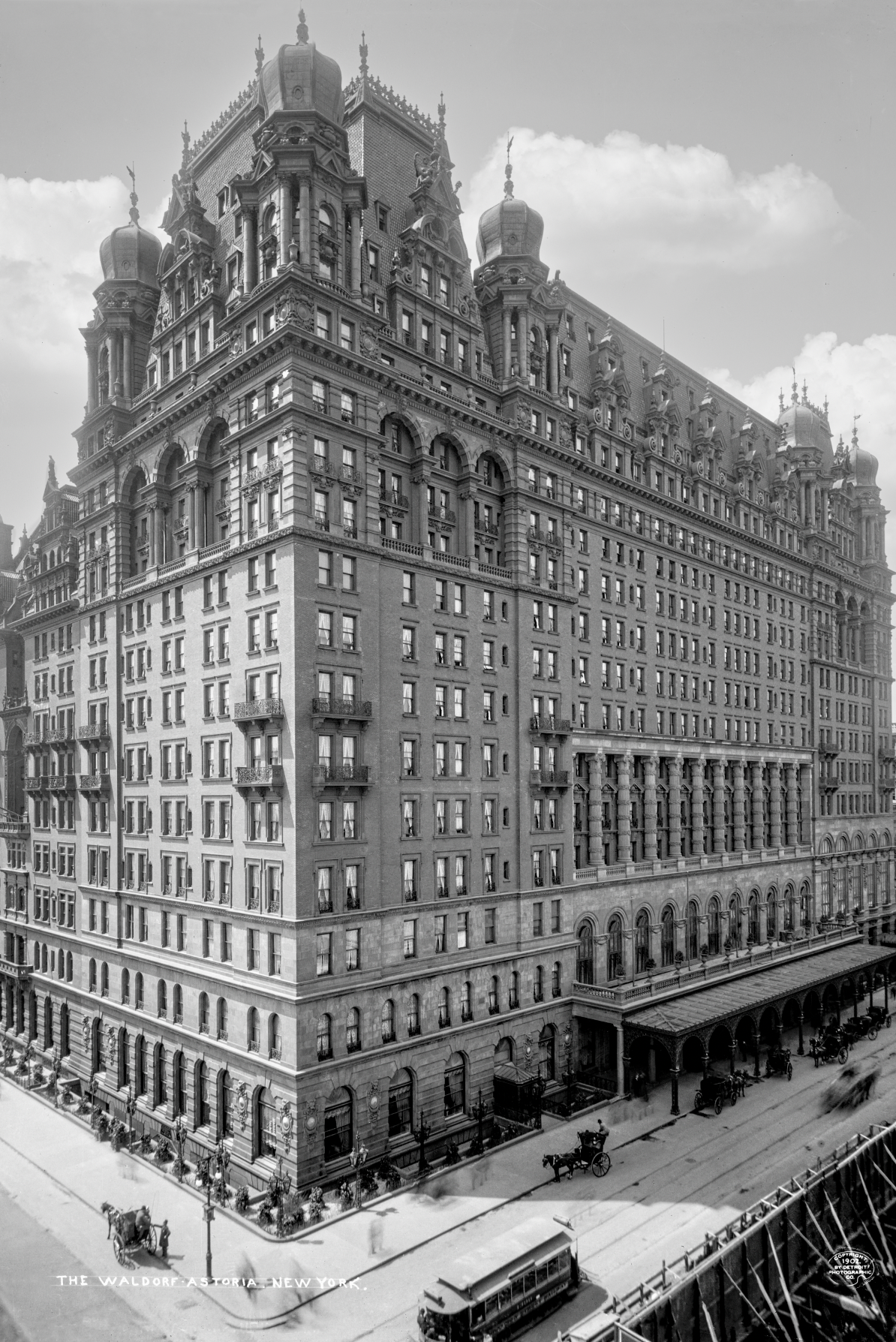

Six New York Landmarks That Changed the Manhattan Skyline
New York's skyline wasn't built overnight. Vintage photographs of Trinity Church, the Plaza, Waldorf-Astoria, Chrysler Building, Empire State Building and Rockefeller Center reveal how Manhattan grew from a city of church steeples and grand hotels into the skyscraper capital of the world.



The Old West Never Really Ended
A cowboy on horseback overlooks the Dallas skyline in 1943—an image that seems to capture the Old West and modern America in a single frame. But the cowboy didn't disappear when the frontier closed. Discover how real working cowboys, rodeos, music and Hollywood carried the Old West into the 20th century.
Let customers speak for us
Gems
These short clips are gems. They are part of the history of music in America. Thank you for posting.
S. Kelley Chambers

Love the print and perfect decor for our n...
Love the print and perfect decor for our new apartment in Pittsburgh.
Chris P

5 stars review from Laura
5 stars review from Laura
Laura D

5 stars review from Geri
5 stars review from Geri
Geri L

5 stars review from Stephanie
5 stars review from Stephanie
Stephanie

5 stars review from Brookelynz
5 stars review from Brookelynz
Brookelynz
5 stars review from Deborah
5 stars review from Deborah
Deborah G

Spectacular!
Received as a gift and could not be happier with the quality of the print. Shipping container ensure this arrived in perfect condition.
John

5 stars review from Kayla
5 stars review from Kayla
Kayla G

5 stars review from Blondiee
5 stars review from Blondiee
Blondiee

5 stars review from April
5 stars review from April
April Y

5 stars review from Tracie
5 stars review from Tracie
Tracie C

Great quality and fast delivery!
Great quality and fast delivery!
Amanda C

5 stars review from Autumnrayne4
5 stars review from Autumnrayne4
Autumnrayne4

5 stars review from Traca
5 stars review from Traca
Traca B
