

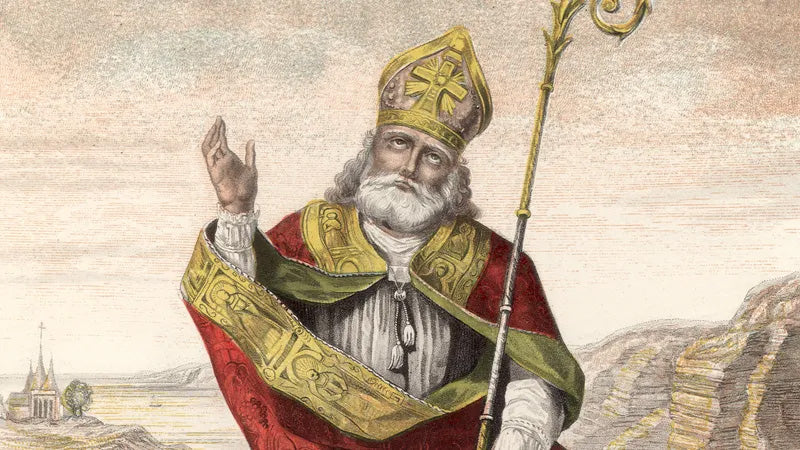

The History of St. Patrick’s Day
Every year on March 17, millions of people around the world wear green, attend parades, and celebrate Irish culture in honor of St. Patrick’s Day. What began as a religious feast day commemorating a fifth-century missionary eventually evolved into one of the most widely recognized cultural celebrations in the world. The story behind the holiday stretches from ancient Ireland through waves of immigration to the United States and beyond, reflecting a mix of religion, folklore, national identity, and global celebration.
The Man Behind the Holiday: Saint Patrick
Despite his strong association with Ireland, Saint Patrick was not Irish by birth. He was born in Roman Britain sometime in the late fourth century, likely around the year 385. At that time, Britain was part of the Roman Empire, and Christianity had already spread through many parts of the region.
Patrick’s early life changed dramatically when he was around sixteen years old. Irish raiders attacked his family’s estate and kidnapped him, transporting him across the Irish Sea to Ireland where he was enslaved. For several years he worked as a shepherd, tending sheep in the countryside. During this period of isolation, Patrick later wrote that he turned deeply toward religion, praying frequently and strengthening his Christian faith.
According to his own writings, Patrick eventually escaped captivity after receiving what he believed was a divine message directing him to flee. He managed to travel to the coast, boarded a ship, and returned to Britain. After returning home, he began religious training and eventually became a priest.
Patrick later experienced another vision that would define his legacy. He believed he was called back to Ireland to preach Christianity among the Irish people. Returning as a missionary, he spent decades traveling across the island converting communities, establishing churches, and working with local leaders.
Christianity and Early Ireland
When Patrick returned to Ireland in the fifth century, the island had a deeply rooted system of pagan beliefs centered on nature, spirits, and druids who served as religious leaders. Christianity had already made small inroads into Ireland before Patrick’s arrival, but he is widely credited with greatly expanding its reach.
Patrick’s approach was often practical. Rather than trying to erase Irish culture entirely, he incorporated familiar symbols and traditions into Christian teachings. One of the most famous examples is the shamrock. According to legend, Patrick used the three-leafed plant to explain the concept of the Holy Trinity—the Father, Son, and Holy Spirit. Whether this story is historically accurate remains uncertain, but the shamrock became one of the most enduring symbols associated with Patrick and Irish identity.
Patrick also worked within existing social structures. Instead of confronting powerful tribal leaders directly, he often sought their support or protection. Over time, Christianity spread throughout Ireland, and monasteries and churches became centers of learning and culture.
Patrick died on March 17, traditionally believed to be in the year 461. This date later became the foundation of the annual celebration in his honor.
The Origins of the Feast Day
For centuries after Patrick’s death, he was remembered primarily as a religious figure. The Catholic Church eventually designated March 17 as a feast day commemorating his life and missionary work.
During the Middle Ages, Ireland remained strongly Christian, and the feast of St. Patrick was marked by church services and modest celebrations. The day was not originally associated with the large public festivities we see today. Instead, it was primarily a solemn religious observance.
Interestingly, traditional Irish customs around St. Patrick’s Day were far quieter than modern celebrations. Until the twentieth century, many pubs in Ireland were closed on March 17 out of respect for the religious holiday.
The Role of Irish Folklore
Alongside Patrick’s historical legacy, Irish folklore added colorful layers to the holiday’s symbolism.
One famous legend claims that Patrick drove all the snakes out of Ireland. According to the story, he stood on a hill and banished them into the sea. In reality, Ireland likely never had native snakes after the last Ice Age, when the island became separated from mainland Europe before reptiles could migrate there. The tale is generally interpreted symbolically, representing Patrick’s efforts to eliminate pagan beliefs.
Other elements of Irish folklore also became linked with the holiday. Leprechauns—mischievous fairy creatures in Irish mythology—eventually became popular symbols associated with Irish culture. Though they have little connection to Patrick himself, they became part of the broader imagery surrounding St. Patrick’s Day.
The Evolution of the Color Green
Today, green is the defining color of St. Patrick’s Day, but that was not always the case.
Historically, the color associated with Patrick was actually blue, sometimes referred to as “St. Patrick’s blue.” Over time, green became more closely tied to Irish identity for several reasons. Ireland’s lush landscape earned it the nickname “The Emerald Isle,” and green also became a symbol of Irish nationalism during struggles against British rule.
By the eighteenth and nineteenth centuries, green had firmly replaced blue as the color most strongly associated with Irish pride and St. Patrick’s Day celebrations.
The Holiday Moves to America
One of the most surprising aspects of St. Patrick’s Day is that many of the traditions people now associate with it developed outside Ireland—especially in the United States.
Irish immigrants began arriving in North America during the eighteenth century, but the numbers increased dramatically during the nineteenth century, particularly during the Great Irish Famine of the 1840s. Millions of Irish immigrants settled in American cities such as Boston, New York, Philadelphia, and Chicago.
For these immigrants, St. Patrick’s Day became an important way to celebrate their heritage and maintain cultural identity in a new country where they often faced discrimination and economic hardship.
The First St. Patrick’s Day Parades
The first recorded St. Patrick’s Day parade did not take place in Ireland. It occurred in the American colonies.
In 1737, Irish immigrants in Boston organized a celebration honoring St. Patrick. A few decades later, in 1762, Irish soldiers serving in the British army marched through New York City in what is widely considered the first St. Patrick’s Day parade.
These early parades allowed Irish communities to celebrate their heritage openly. Over time, they became major public events featuring marching bands, cultural groups, and community organizations.
Today, New York City hosts one of the largest St. Patrick’s Day parades in the world, drawing millions of spectators.
Changing Perceptions of Irish Identity
In the nineteenth century, Irish immigrants in the United States were often portrayed negatively in newspapers and political cartoons. They were stereotyped as uneducated, poor, and prone to drinking. Public celebrations like St. Patrick’s Day parades allowed Irish Americans to push back against these stereotypes.
The parades became demonstrations of community pride and political influence. Irish organizations marched together, displaying strength in numbers and asserting their place in American society.
Over time, Irish Americans rose to prominent positions in politics, business, and culture. Figures such as President John F. Kennedy helped reinforce Irish heritage as a source of pride rather than prejudice.
St. Patrick’s Day in Modern Ireland
Ironically, large-scale St. Patrick’s Day festivities developed more slowly in Ireland than in the United States.
For much of the twentieth century, the holiday remained primarily religious. It was only in the late twentieth century that Ireland began promoting St. Patrick’s Day as a major cultural festival.
In 1995, the Irish government launched the St. Patrick’s Festival in Dublin to showcase Irish culture and attract tourism. Today, the event includes parades, concerts, theatrical performances, and international visitors from around the world.
Cities across Ireland now hold large celebrations, reflecting both national pride and global interest in Irish traditions.
Global Celebrations
St. Patrick’s Day is now celebrated far beyond Ireland and the United States.
Cities around the world mark the holiday with festivals and cultural events. In Chicago, the Chicago River is famously dyed bright green each year. In Sydney, London, and Tokyo, landmarks are illuminated in green as part of global celebrations.
The holiday has become both a celebration of Irish heritage and a broader festival of community and cultural exchange.
Food, Drink, and Traditions
Modern St. Patrick’s Day celebrations often include traditional Irish foods and beverages.
Dishes such as corned beef and cabbage, Irish soda bread, and shepherd’s pie are commonly associated with the holiday, especially in the United States. Interestingly, corned beef became popular among Irish Americans rather than in Ireland itself, where pork dishes were historically more common.
Irish music, dancing, and storytelling are also central to many celebrations. Traditional instruments like fiddles, tin whistles, and bodhráns contribute to the lively atmosphere of St. Patrick’s Day events.
A Holiday of Heritage and History
Over centuries, St. Patrick’s Day has transformed from a religious feast day honoring a missionary into a global celebration of Irish culture. While modern festivities include parades, music, and green clothing, the holiday’s deeper roots lie in the story of a man whose life helped shape Ireland’s religious and cultural landscape.
For millions of people around the world—whether of Irish ancestry or not—March 17 has become a day to celebrate community, heritage, and the enduring influence of Irish history.
Leave a comment
Comments will be approved before showing up.
Also in Time Capsule
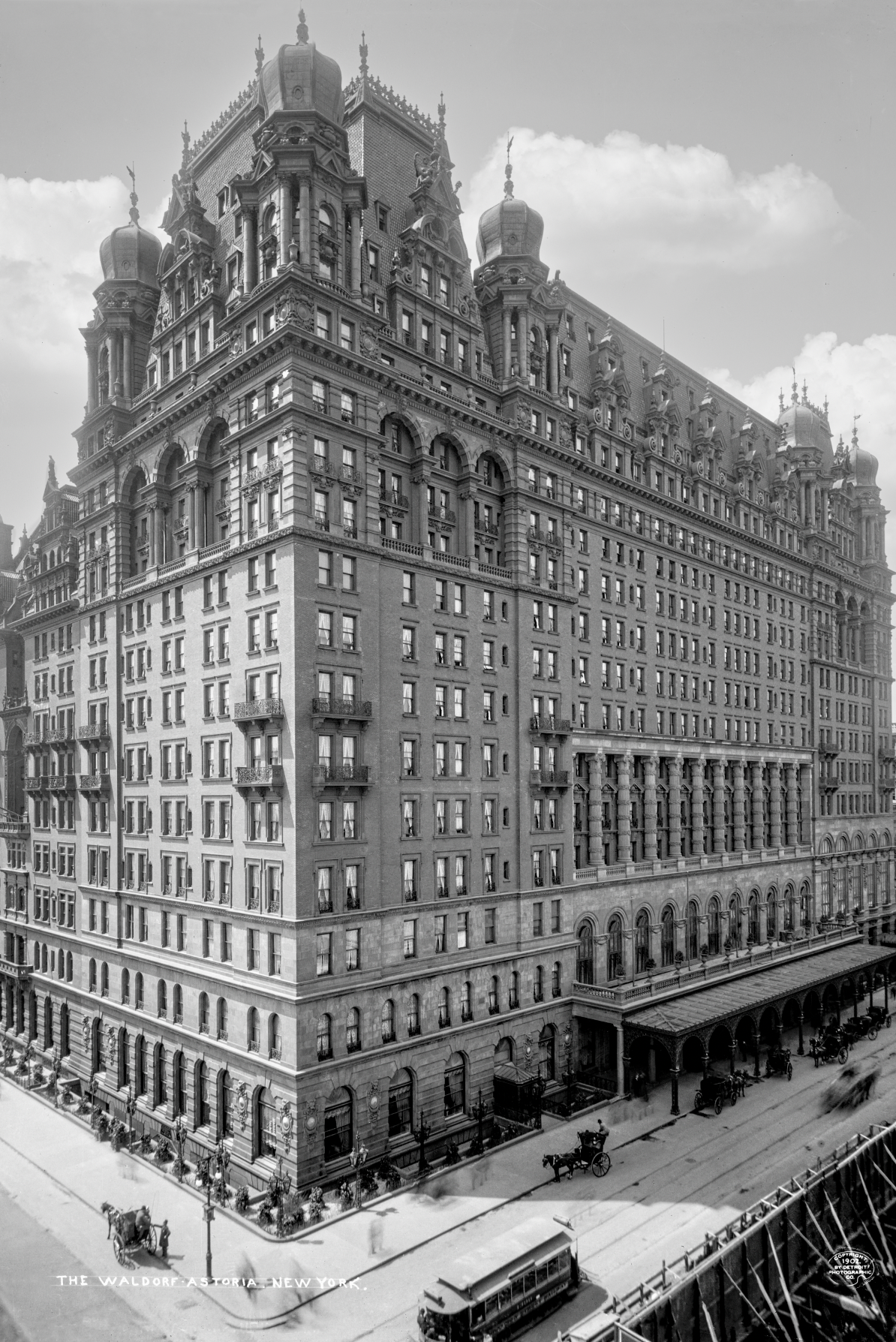

Six New York Landmarks That Changed the Manhattan Skyline
New York's skyline wasn't built overnight. Vintage photographs of Trinity Church, the Plaza, Waldorf-Astoria, Chrysler Building, Empire State Building and Rockefeller Center reveal how Manhattan grew from a city of church steeples and grand hotels into the skyscraper capital of the world.

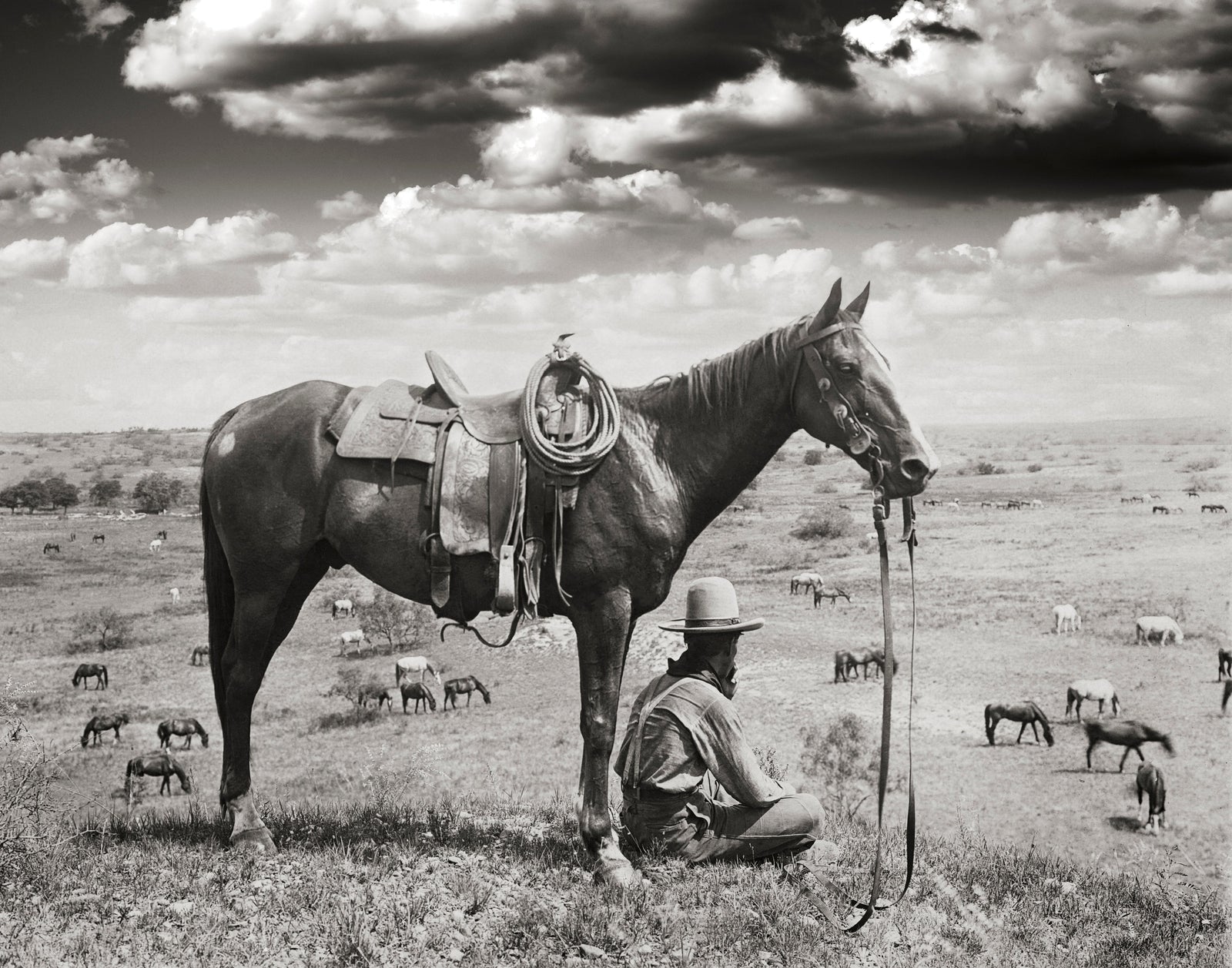

The Old West Never Really Ended
A cowboy on horseback overlooks the Dallas skyline in 1943—an image that seems to capture the Old West and modern America in a single frame. But the cowboy didn't disappear when the frontier closed. Discover how real working cowboys, rodeos, music and Hollywood carried the Old West into the 20th century.
Let customers speak for us
Gems
These short clips are gems. They are part of the history of music in America. Thank you for posting.
S. Kelley Chambers

Love the print and perfect decor for our n...
Love the print and perfect decor for our new apartment in Pittsburgh.
Chris P

5 stars review from Laura
5 stars review from Laura
Laura D

5 stars review from Geri
5 stars review from Geri
Geri L

5 stars review from Stephanie
5 stars review from Stephanie
Stephanie

5 stars review from Brookelynz
5 stars review from Brookelynz
Brookelynz
5 stars review from Deborah
5 stars review from Deborah
Deborah G

Spectacular!
Received as a gift and could not be happier with the quality of the print. Shipping container ensure this arrived in perfect condition.
John

5 stars review from Kayla
5 stars review from Kayla
Kayla G

5 stars review from Blondiee
5 stars review from Blondiee
Blondiee

5 stars review from April
5 stars review from April
April Y

5 stars review from Tracie
5 stars review from Tracie
Tracie C

Great quality and fast delivery!
Great quality and fast delivery!
Amanda C

5 stars review from Autumnrayne4
5 stars review from Autumnrayne4
Autumnrayne4

5 stars review from Traca
5 stars review from Traca
Traca B
