

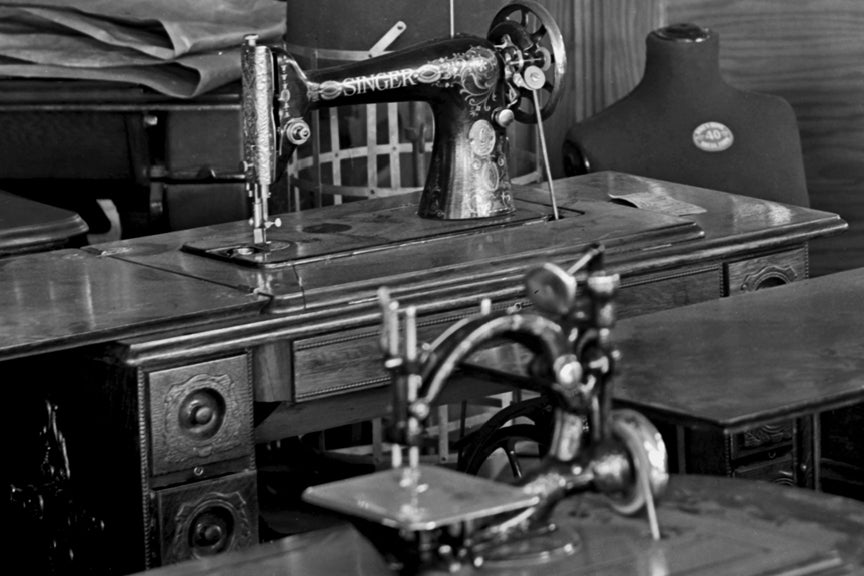

The Rise of the Singer Sewing Machine: How a Simple Device Stitched Together a Global Empire
In the middle of the nineteenth century, long before electricity hummed through homes and long before mass-produced clothing filled department stores, most garments were made by hand. Sewing was slow, repetitive, and physically demanding. It was also unavoidable. Every household depended on it.
Then came a machine that changed everything.
The story of the Singer Sewing Machine Company is not just about invention. It is about timing, marketing, and scale. It is about how a single improvement to an existing idea turned into one of the first truly global consumer brands—and reshaped how people lived and worked.
Before Singer: The Problem Was Not the Idea
The idea of a sewing machine existed before Isaac Merritt Singer ever touched one. Inventors across Europe and America had already been experimenting with mechanical stitching. Among them was Elias Howe, who patented a workable design in 1846.
But there was a problem.
These early machines were fragile, awkward, and impractical for everyday use. They were difficult to operate, expensive, and often unreliable. The concept was sound, but the execution failed to meet the needs of real people—especially those who depended on sewing for survival.
Singer did not invent the sewing machine. What he did was arguably more important: he made it usable.
Isaac Singer: The Reluctant Innovator
Isaac Singer was not a quiet tinkerer. He was an actor, a businessman, and a man known for his larger-than-life personality. When he encountered a sewing machine in the early 1850s, he saw immediately what others had missed.
The machine needed to be practical.
Singer redesigned the mechanism so that:
-
The needle moved up and down, rather than side to side
-
A foot treadle powered the machine, freeing the hands
-
The machine sat on a stable, flat surface
These changes may sound simple, but they transformed the sewing machine from a novelty into a tool. It became faster, more reliable, and—most importantly—something an ordinary person could learn to use.
A Lawsuit That Changed Everything
Singer’s improvements brought him into conflict with Elias Howe, who held key patents. Howe sued, and he won. Singer was forced to pay royalties.
Instead of collapsing under legal pressure, Singer adapted.
In one of the earliest examples of corporate cooperation in American industry, Singer and other manufacturers formed a patent pool known as the Sewing Machine Combination. It allowed companies to share patents and avoid endless litigation.
This agreement did something remarkable: it cleared the path for rapid industrial growth.
Selling the Impossible
 Even with a better machine, Singer faced a massive challenge. The sewing machine was expensive—far beyond what most families could afford.
So Singer changed how products were sold.
The company introduced installment payment plans, allowing customers to pay over time. This was a radical idea in the 1850s. Suddenly, the sewing machine was not just for factories or the wealthy. It was for households.
Singer also invested heavily in:
-
Demonstrations in storefronts
-
Traveling sales agents
-
Printed advertisements
They did not just sell a product. They sold a vision: speed, independence, and modern living.
The Factory That Never Slept
To meet demand, Singer built enormous manufacturing centers.
One of the most important was in Elizabethport, New Jersey, where machines were produced on a scale that was unprecedented at the time. But Singer’s ambitions did not stop in America.
In 1885, the company opened a massive factory in Clydebank, Scotland. It became one of the largest sewing machine factories in the world, employing thousands and producing machines that were shipped across continents.
Singer was no longer just a company. It was a global system.
A Machine in Every Home
By the late nineteenth century, Singer machines had become a familiar presence in households around the world.
For many women, the sewing machine represented something new:
-
A way to earn income from home
-
A reduction in hours of manual labor
-
Greater control over clothing and household goods
It also quietly contributed to larger social shifts. As clothing became easier to produce, ready-made garments grew more common. Fashion changed. Expectations changed.
The sewing machine helped move society from handmade necessity to manufactured convenience.
The Tower That Touched the Sky

In 1908, Singer made a statement that went far beyond sewing.
The Singer Building rose above Lower Manhattan, briefly becoming the tallest building in the world. It was not a factory. It was a symbol.
A sewing machine company had built a skyscraper to show its dominance.
The message was clear: Singer was not just part of the modern world—it was helping define it.
Decline and Legacy
No empire lasts forever.
By the mid-twentieth century, changes in manufacturing, competition, and consumer behavior began to erode Singer’s dominance. Cheaper machines entered the market. Production shifted globally. The company changed hands multiple times.
Yet the legacy remained.
Singer machines, many of them over a century old, still function today. They are found in attics, workshops, and antique shops—solid, heavy, and built to last.
More importantly, the company helped establish ideas that are now taken for granted:
-
Consumer financing
-
Global branding
-
Mass production for the home
The Thread That Connects It All
The history of Singer is not just about a machine. It is about how technology becomes part of everyday life.
Singer did not invent sewing. It did not even invent the sewing machine. What it did was bridge the gap between invention and adoption.
It took something complicated and made it accessible. It took something expensive and made it attainable. And in doing so, it helped shape the modern world—one stitch at a time. See Singer Sewing Machines and the Singer Building
Leave a comment
Comments will be approved before showing up.
Also in Time Capsule
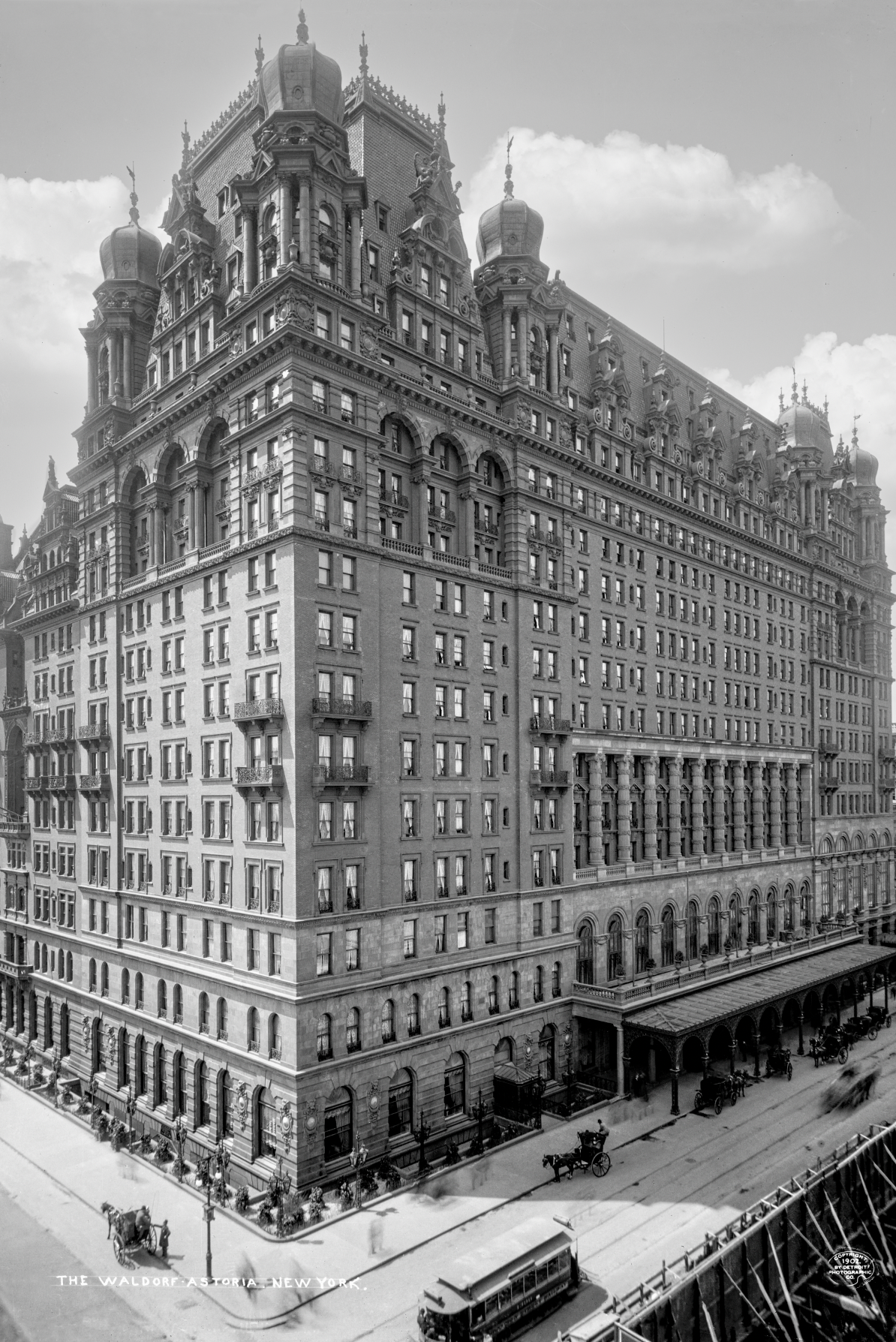

Six New York Landmarks That Changed the Manhattan Skyline
New York's skyline wasn't built overnight. Vintage photographs of Trinity Church, the Plaza, Waldorf-Astoria, Chrysler Building, Empire State Building and Rockefeller Center reveal how Manhattan grew from a city of church steeples and grand hotels into the skyscraper capital of the world.

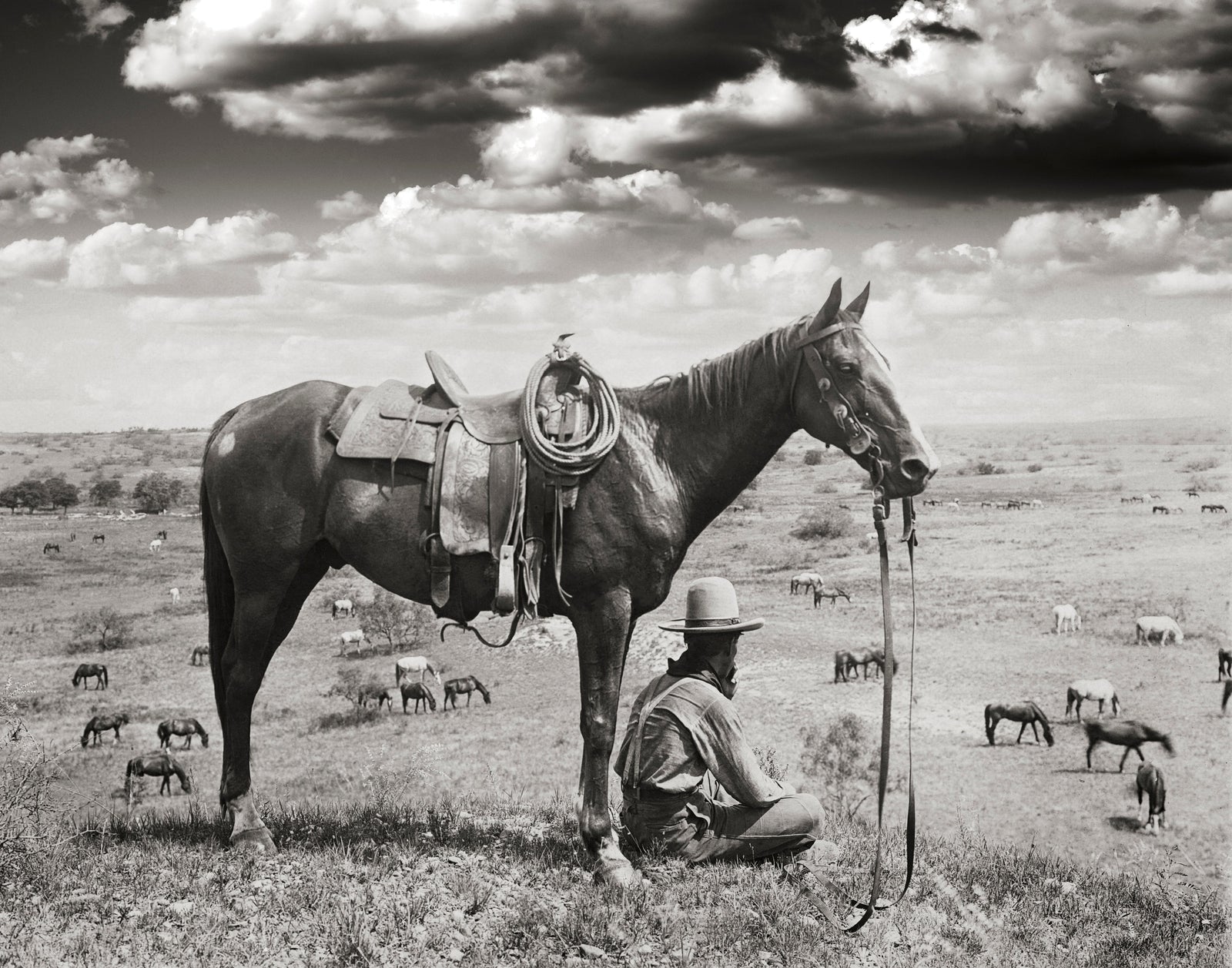

The Old West Never Really Ended
A cowboy on horseback overlooks the Dallas skyline in 1943—an image that seems to capture the Old West and modern America in a single frame. But the cowboy didn't disappear when the frontier closed. Discover how real working cowboys, rodeos, music and Hollywood carried the Old West into the 20th century.
Let customers speak for us
Gems
These short clips are gems. They are part of the history of music in America. Thank you for posting.
S. Kelley Chambers

Love the print and perfect decor for our n...
Love the print and perfect decor for our new apartment in Pittsburgh.
Chris P

5 stars review from Laura
5 stars review from Laura
Laura D

5 stars review from Geri
5 stars review from Geri
Geri L

5 stars review from Stephanie
5 stars review from Stephanie
Stephanie

5 stars review from Brookelynz
5 stars review from Brookelynz
Brookelynz
5 stars review from Deborah
5 stars review from Deborah
Deborah G

Spectacular!
Received as a gift and could not be happier with the quality of the print. Shipping container ensure this arrived in perfect condition.
John

5 stars review from Kayla
5 stars review from Kayla
Kayla G

5 stars review from Blondiee
5 stars review from Blondiee
Blondiee

5 stars review from April
5 stars review from April
April Y

5 stars review from Tracie
5 stars review from Tracie
Tracie C

Great quality and fast delivery!
Great quality and fast delivery!
Amanda C

5 stars review from Autumnrayne4
5 stars review from Autumnrayne4
Autumnrayne4

5 stars review from Traca
5 stars review from Traca
Traca B
