

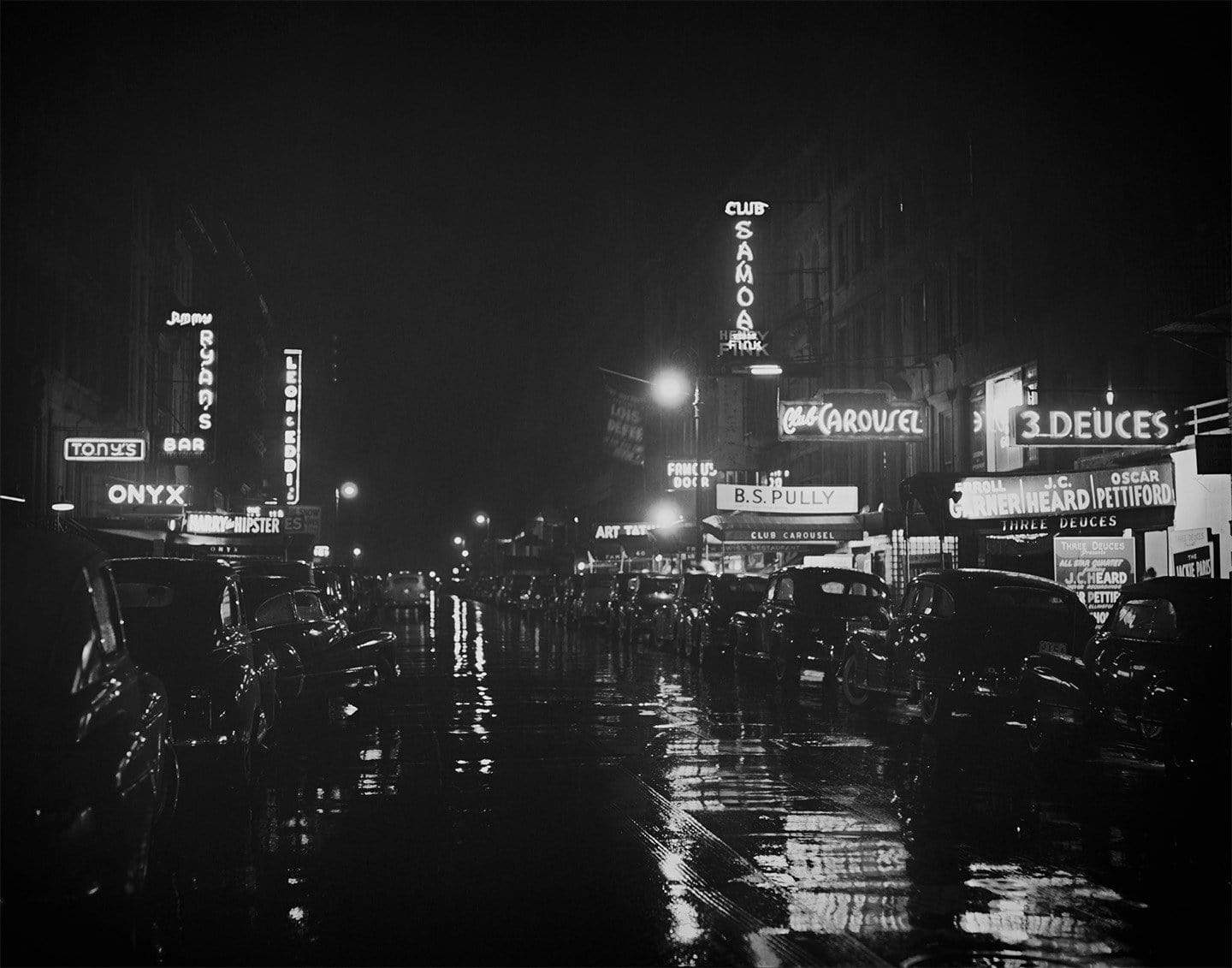

Laboratories of Sound--Jazz Clubs in NY and Chicago
New York and Chicago, 1920s–1950s
Jazz did not grow in concert halls or conservatories. It grew in rooms thick with smoke, conversation, liquor, danger, and possibility. In New York and Chicago, jazz clubs were not just venues; they were laboratories where styles collided, reputations were forged, and American music reinvented itself decade by decade. From the speakeasies of Prohibition to the integrated rooms of the postwar era, these clubs shaped how jazz sounded, who played it, and who was allowed to hear it.

The 1920s: Prohibition, Speakeasies, and the Birth of Jazz Nightlife
No jazz club of the 1920s was more famous—or more contradictory—than the Cotton Club in Harlem. Owned and operated by gangster Owney "Killer" Madden, a prominent white Manhattan gangster and bootlegger who purchased the venue in 1923 to sell his illegal beer. It was originally opened in 1920 as "Club Deluxe" by African American heavyweight champion Jack Johnson before Madden took over.The Cotton Club catered almost exclusively to white audiences while featuring Black performers. The décor romanticized a fictionalized Southern plantation aesthetic, a troubling contrast to the revolutionary music being played on its stage.
 THE COTTON CLUB
The house band, led by Duke Ellington, transformed jazz orchestration. Ellington’s extended compositions, tone-color experiments, and use of individual musicians’ voices as compositional elements elevated jazz from dance music to art music without stripping it of its swing. National radio broadcasts from the Cotton Club carried this sound across the country, making the club a transmission hub for modern jazz.
Despite its racism, the Cotton Club’s influence was enormous. It standardized the idea of the jazz orchestra as a polished, theatrical ensemble and proved that jazz could command national attention.
Chicago: Lincoln Gardens and the Rise of the Jazz Soloist
Chicago in the 1920s was a different beast. The city’s jazz scene was rougher, more improvisational, and deeply shaped by the Great Migration. One of the most important venues was Lincoln Gardens, managed by the powerful Black entrepreneur Joe Glaser.
Here, Louis Armstrong redefined jazz. He joined his mentor, Joe "King" Oliver, in his Creole Jazz Band, playing second cornet and contributing to the club's massive popularity before departing in 1924. This period was pivotal in developing his reputation and sound.His performances emphasized individual virtuosity, rhythmic freedom, and emotional expression in ways that permanently shifted the music’s direction. Armstrong’s improvisations at Lincoln Gardens helped move jazz away from collective ensemble playing toward the soloist-centered format that would dominate the rest of the century.
Chicago clubs like Lincoln Gardens were less about spectacle and more about musical competition. Musicians battled nightly, pushing tempos, harmonic ideas, and technical limits. The club became a proving ground, not just a stage.
The 1930s: Swing, Ballrooms, and the Jazz Crowd Expands

THE SAVOY BALLROOM

APOLLO, NY
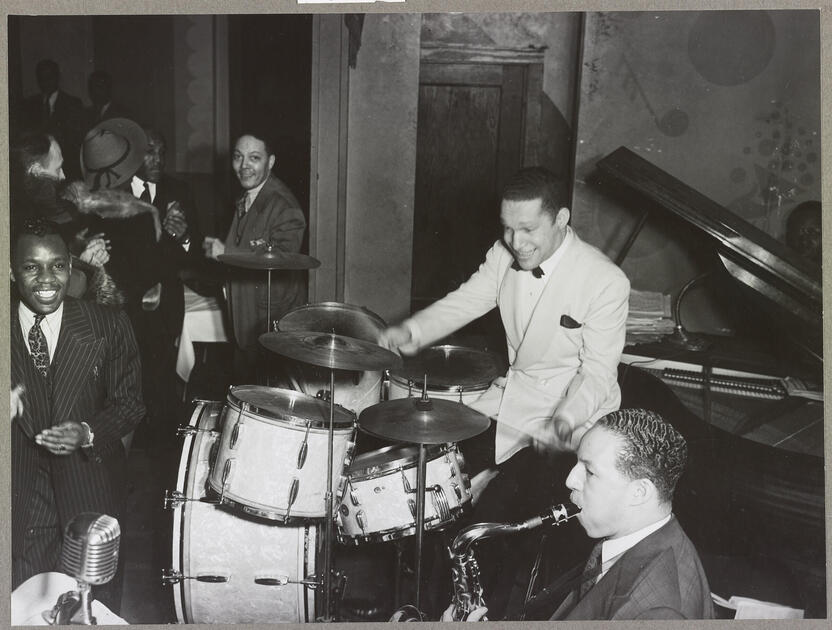
New York: The Savoy Ballroom and Integrated Swing
 The Savoy Ballroom represented a radical departure from the Cotton Club model. Opened in Harlem and integrated from its beginning, the Savoy welcomed Black and white dancers alike. Unlike cabaret-style clubs, the Savoy was a massive dance hall where music existed to move bodies.
Bands rotated constantly, and competition was fierce. Swing rhythm became tighter, louder, and more dance-driven. The Savoy forced bands to be powerful, precise, and relentlessly rhythmic. It was here that swing became a national obsession, with jazz functioning as popular music on an unprecedented scale.
The Savoy’s influence lay not in exclusivity, but in volume—of people, of movement, of sound. Jazz became social, communal, and kinetic.
Chicago: South Side Clubs and the Business of Swing
Chicago’s South Side in the 1930s hosted dozens of smaller clubs that fed off the swing boom. Many were run by local entrepreneurs or protected by political machines. These clubs were less glamorous than New York ballrooms but crucial in sustaining working musicians during the Depression.
Chicago jazz in this era emphasized durability. Bands had to keep dancers happy night after night. This pressure refined ensemble tightness and reinforced swing’s rhythmic clarity. Jazz became a reliable form of entertainment—and a livelihood.
The 1940s: Bebop, After-Hours Clubs, and Musical Revolution
New York: Minton’s Playhouse and the Birth of Bebop
The most revolutionary jazz club of the 1940s was Minton’s Playhouse, run by Henry Minton. Unlike dance-focused venues, Minton’s hosted late-night jam sessions where musicians experimented freely, often deliberately playing too fast or too complex for casual dancers.
Here, a new language emerged. Bebop rejected swing’s smoothness in favor of angular melodies, extended harmonies, and intellectual intensity. Musicians tested each other relentlessly, transforming jazz into a musician’s music rather than mass entertainment.
Just downtown, 52nd Street became lined with small clubs where bebop flourished. These rooms were cramped, intense, and electric. The intimacy changed how jazz was heard: listening replaced dancing as the primary mode of engagement.
Chicago: Holding the Line

CABARET DANCERS, CHICAGO, 1940s
Chicago’s clubs were slower to embrace bebop, partly because dance audiences still dominated. But after-hours sessions began appearing, and musicians traveled between New York and Chicago, carrying new ideas with them. Chicago became a secondary incubator—less radical, but deeply influential in blending older swing traditions with modern harmonic thinking.
The 1950s: Intimacy, Cool Jazz, and Artistic Maturity
New York: Birdland and the Jazz Institution
By the 1950s, jazz clubs had become institutions. Birdland, named after Charlie Parker, embodied this shift. Birdland was professionally run, heavily publicized, and internationally famous. Jazz was no longer underground; it was a recognized art form.
Meanwhile, the Village Vanguard offered something different: intimacy. Its basement setting encouraged subtlety, nuance, and emotional depth. Live recordings from the Vanguard helped define the modern jazz album as a serious artistic statement.
Chicago: A City of Keepers

Chicago’s jazz clubs in the 1950s became places of preservation as much as innovation. The city maintained strong ties to traditional jazz while selectively embracing modern styles. Clubs became homes for long-running residencies, fostering deep relationships between musicians and local audiences.
The Club as the Engine of Jazz History
Jazz clubs were not passive backdrops. They shaped how jazz sounded by dictating volume, length, tempo, and audience expectations. They shaped who succeeded by offering—or denying—visibility. In New York, clubs drove innovation and national influence. In Chicago, they sustained musicianship, competition, and continuity.
From the Cotton Club’s broadcasts to Minton’s jam sessions, from Savoy dancers to Village Vanguard listeners, the jazz club was where American music learned who it was—and who it could become.
Leave a comment
Comments will be approved before showing up.
Also in Time Capsule
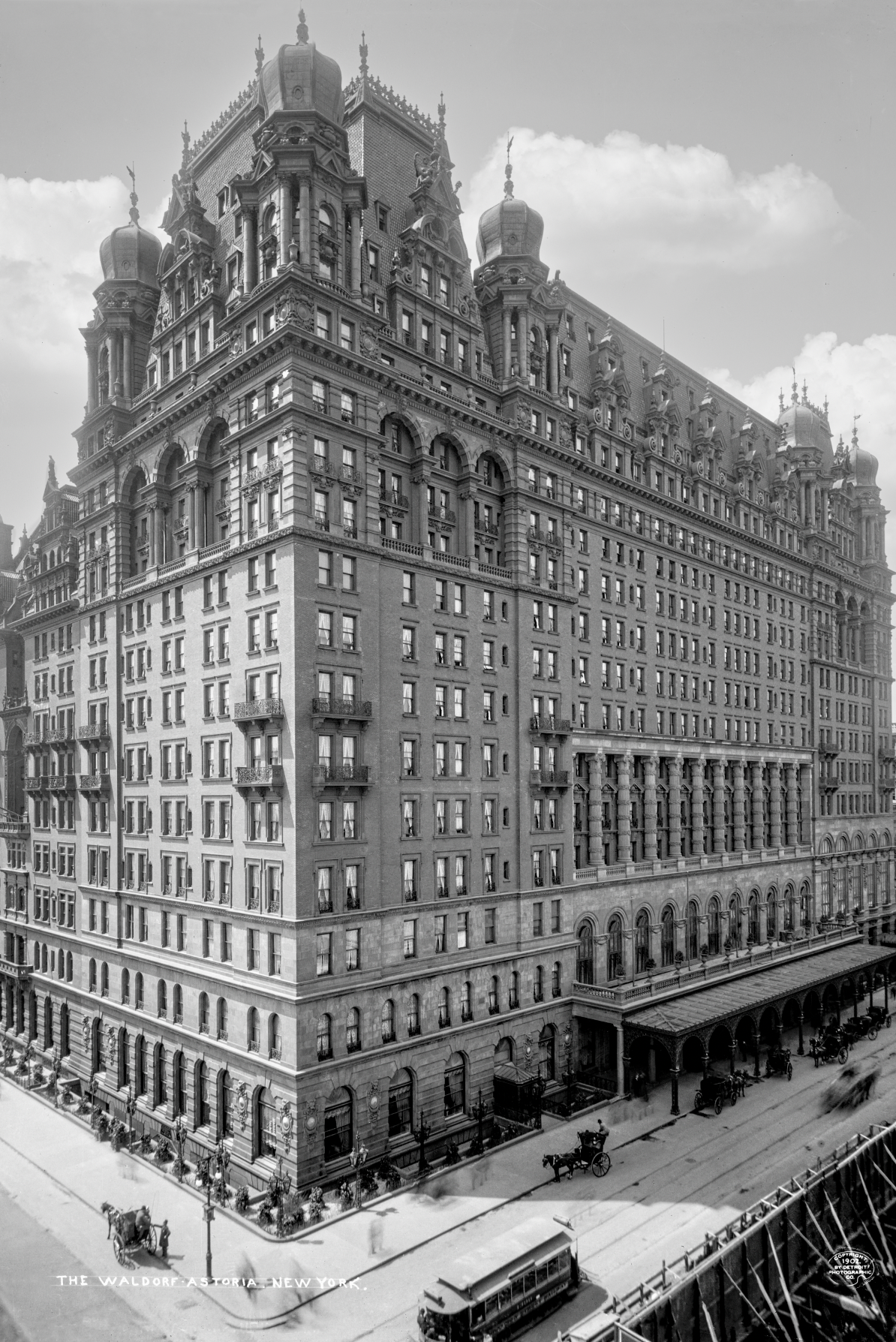

Six New York Landmarks That Changed the Manhattan Skyline
New York's skyline wasn't built overnight. Vintage photographs of Trinity Church, the Plaza, Waldorf-Astoria, Chrysler Building, Empire State Building and Rockefeller Center reveal how Manhattan grew from a city of church steeples and grand hotels into the skyscraper capital of the world.

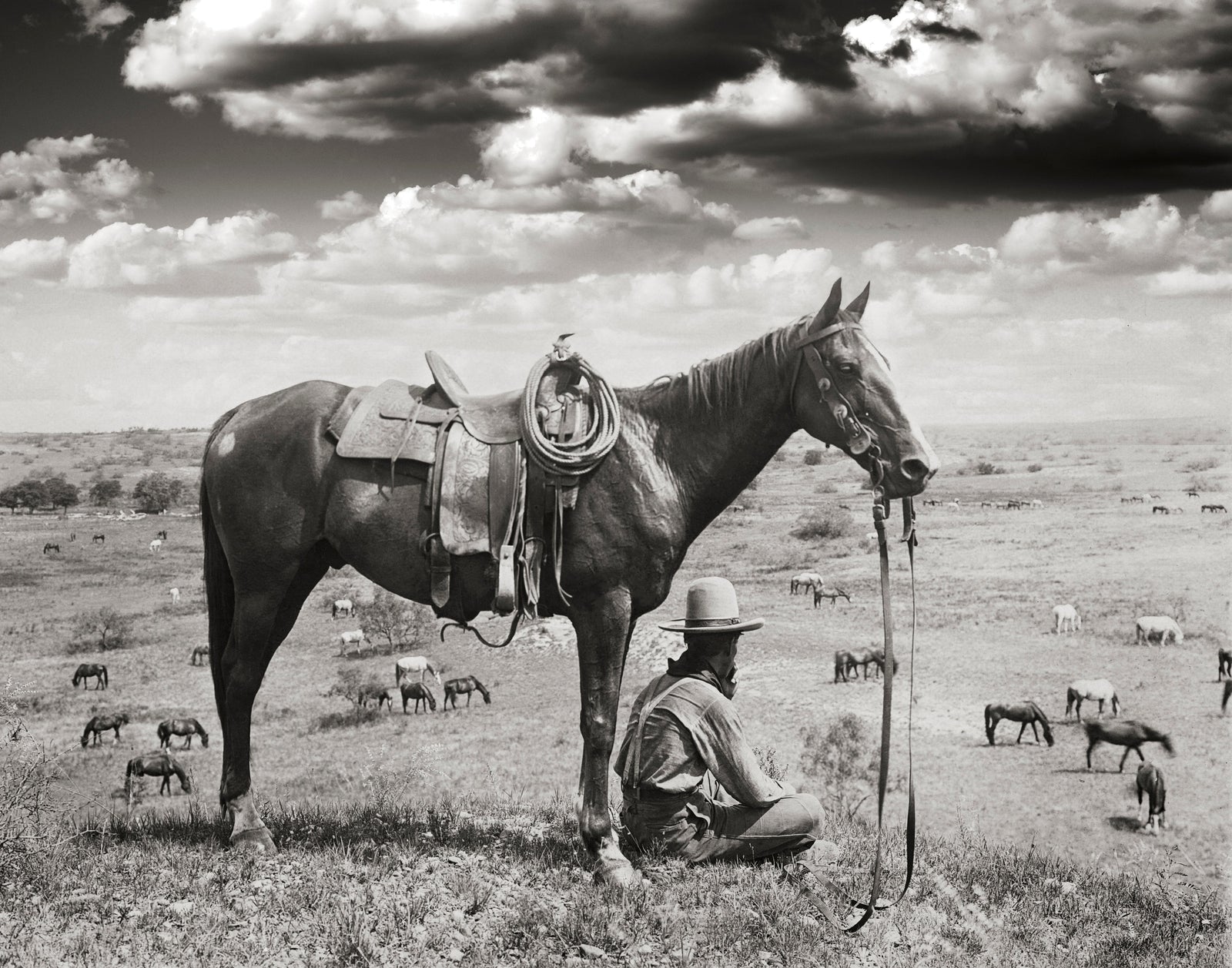

The Old West Never Really Ended
A cowboy on horseback overlooks the Dallas skyline in 1943—an image that seems to capture the Old West and modern America in a single frame. But the cowboy didn't disappear when the frontier closed. Discover how real working cowboys, rodeos, music and Hollywood carried the Old West into the 20th century.
Let customers speak for us
Gems
These short clips are gems. They are part of the history of music in America. Thank you for posting.
S. Kelley Chambers

Love the print and perfect decor for our n...
Love the print and perfect decor for our new apartment in Pittsburgh.
Chris P

5 stars review from Laura
5 stars review from Laura
Laura D

5 stars review from Geri
5 stars review from Geri
Geri L

5 stars review from Stephanie
5 stars review from Stephanie
Stephanie

5 stars review from Brookelynz
5 stars review from Brookelynz
Brookelynz
5 stars review from Deborah
5 stars review from Deborah
Deborah G

Spectacular!
Received as a gift and could not be happier with the quality of the print. Shipping container ensure this arrived in perfect condition.
John

5 stars review from Kayla
5 stars review from Kayla
Kayla G

5 stars review from Blondiee
5 stars review from Blondiee
Blondiee

5 stars review from April
5 stars review from April
April Y

5 stars review from Tracie
5 stars review from Tracie
Tracie C

Great quality and fast delivery!
Great quality and fast delivery!
Amanda C

5 stars review from Autumnrayne4
5 stars review from Autumnrayne4
Autumnrayne4

5 stars review from Traca
5 stars review from Traca
Traca B
