


The Old West Never Really Ended
How the American cowboy rode from cattle drives into modern America
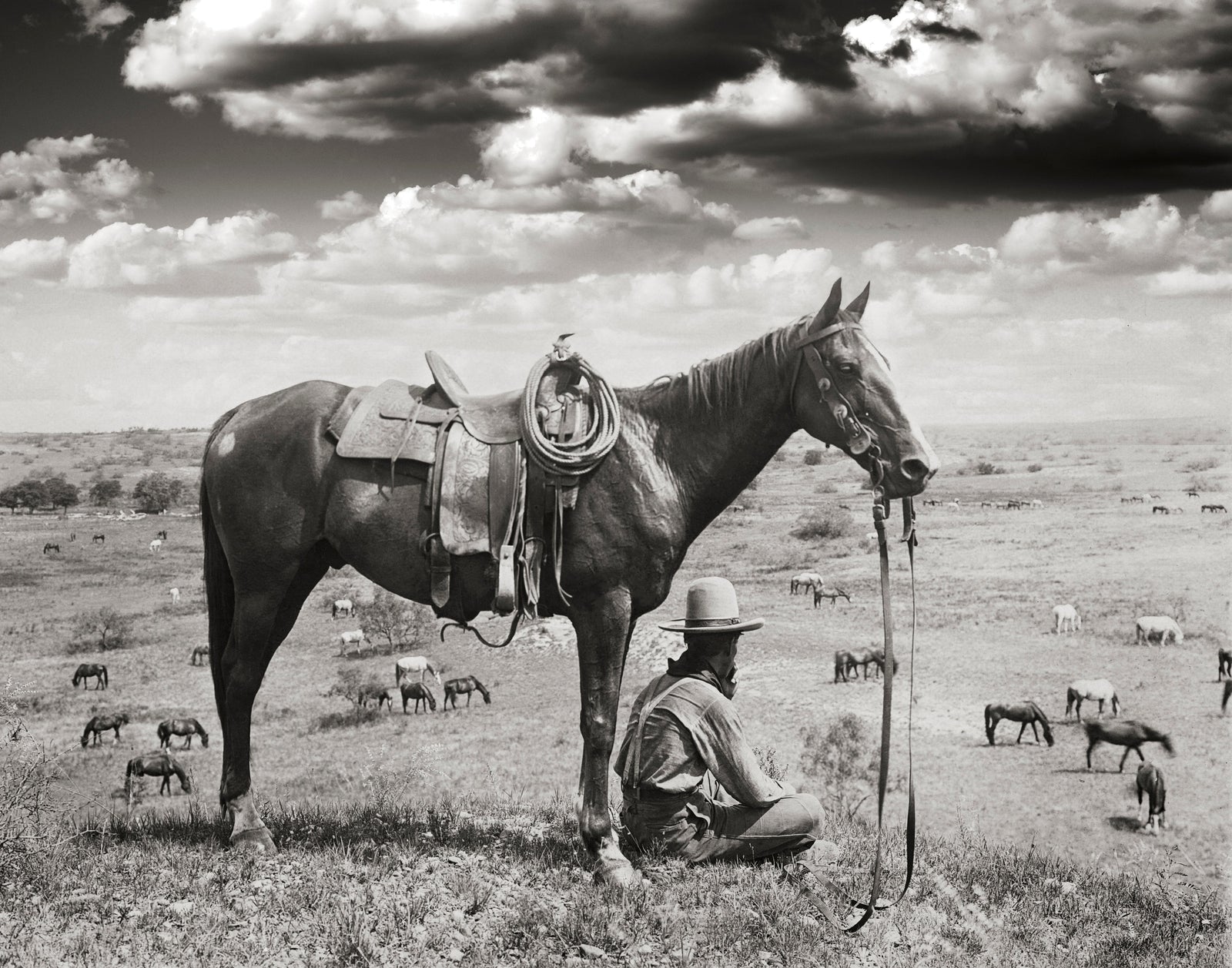
A cowboy sits astride his horse on a Texas hillside. Behind him, instead of an endless prairie, rises the skyline of Dallas. The year is 1943.
At first glance, the HistoricalPix photograph seems to capture two different periods of American history in a single frame. In the foreground is the Old West: cowboy, horse, saddle and open land. In the distance is modern America: skyscrapers, automobiles, industry and a rapidly growing city.
But perhaps the photograph looks surprising because we've been taught to think about history too neatly. The Old West did not simply end one day and make way for modern America. The two existed side by side.

See photo: Dallas Texas Skyline, Cowboy & Horse, 1943
So When Did the Old West End?
If you had to choose a date, 1890 would be the traditional answer. That year, the U.S. Census found settlement across the West had become so widespread that it could no longer identify a distinct frontier line. Historian Frederick Jackson Turner later treated that finding as the symbolic closing of the American frontier.
But declaring the frontier closed did not make cowboys disappear.
What was ending was the great age of the open range and long-distance cattle drive. During the decades after the Civil War, huge herds of cattle had been driven across unfenced country toward railroad shipping points. By the end of the 19th century, railroads, meat-processing plants, fenced ranches and barbed wire were changing the cattle business. The Library of Congress dates the great trail-drive era roughly from the 1860s through the 1890s.
Cowboys adapted. Some became ranch hands, tending fences, cutting hay, feeding livestock and rounding up cattle within fenced ranges rather than driving enormous herds hundreds of miles. Others entered the growing world of rodeos and Wild West shows. The frontier had ended on paper. The cowboy hadn't.
Before the Legend, Cowboying Was a Job
It's difficult to separate the real cowboy from the character Hollywood eventually created. We picture gunfights, saloons and solitary men riding dramatically into sunsets. The real job involved considerably more cattle—and considerably less glamour.
Cowboys were the working class of the cattle industry. Many were young men in their teens and twenties, and the work could be exhausting and dangerous. Long trail drives, bad weather, stampedes and injuries from horses and cattle were part of the occupation.
That's what makes the photo, Cowboy, Chuck Wagon & Sleeping Friend so useful. There is no movie-star pose here. Instead, we see something closer to daily life on the range: a cowboy, a wagon, horses and a companion apparently taking advantage of an opportunity to sleep.

See photo: Cowboy, Chuck Wagon & Sleeping Friend 1908
The chuckwagon was essentially a mobile kitchen and supply station. During long cattle drives, it provided the food and equipment that kept a crew functioning far from towns and permanent camps. This was the world from which the cowboy legend emerged—not a fictional world, but a difficult working life that later generations would romanticize.
The Cowboy Wasn't Invented in Hollywood
Hollywood also gave Americans a fairly narrow picture of what a cowboy looked like. The real story was much more diverse.
American cowboy culture drew heavily from the traditions of the Mexican vaquero. Techniques for working cattle, styles of riding and equipment crossed north from Mexico into Texas, as did familiar words such as lasso, lariat, chaps and corral.
Black cowboys were also an important part of the cattle industry. The National Park Service estimates that roughly one-quarter of historic cowboys were African American, while Hispanic cowboys, Native Americans and European immigrants also worked the ranges.
Bill Pickett: A Cowboy Becomes a Star
Bill Pickett was born in Texas around 1870 to parents who had been enslaved. He left school young and worked as a ranch hand, becoming exceptionally skilled at handling cattle. Eventually he became famous for a steer-wrestling technique known as bulldogging.

See Photo: Bill Pickett, African American Cowboy
Pickett's abilities took him far beyond the ranch. He became a celebrated performer in Wild West shows, appearing before enormous audiences and eventually becoming a movie cowboy himself. In 1922 he appeared in the silent Western The Bull-Dogger, built around the rodeo skill that had made him famous.
Yet Pickett's fame did not shield him from racism. Some venues and ranch owners refused to allow him to perform because he was Black. His story complicates the familiar Hollywood image of the American West while also demonstrating something important about the transformation of the cowboy: a working occupation was becoming entertainment.
America Began Romanticizing the Cowboy
Something remarkable happened as the great cattle-drive era was disappearing, America fell in love with the cowboy.
By the early 20th century, the cowboy had become more than someone who worked cattle. Wild West shows, rodeos, books and popular songs transformed him into a symbol of independence, courage and rugged American individualism.
Even genuine pieces of cowboy culture began moving beyond the range. Cowboys had long sung while working and traveling, adapting folk songs and creating new ones about cattle, weather, loneliness and life on the trail. In 1910, folklorist John A. Lomax published Cowboy Songs and Other Frontier Ballads, helping preserve that musical tradition just as the era that produced it was changing.

See photo: Cowboys Play Music to Pass the Night, 1939
In the photograph above, cowboys gather with guitars around camp. The image feels almost like a scene Hollywood might have invented—except music really was part of cowboy life. The Library of Congress documents songs used for entertainment as well as work songs and calls used while herding cattle at night.
Soon, however, millions of Americans who had never been near a cattle drive would know cowboy songs too.
Hollywood Creates Its Own West
The cowboy was almost perfectly suited to the movies. Western stories already had horses, danger, dramatic landscapes, heroes and villains. Silent films embraced the genre, and when sound arrived in the late 1920s, the singing cowboy became another American phenomenon. Gene Autry, Roy Rogers and others eventually brought an idealized West to audiences far removed from ranch life.

See Photo: Buck Jones — Ridin' for Justice, 1932
Compare it with the chuckwagon photograph. The working cowboy has become the Western hero.
That doesn't mean the fictional cowboy had no connection to reality. Many performers had genuine riding, ranching or rodeo experience. But entertainment distilled a complicated history involving cattle workers, Mexican vaqueros, Black cowboys, Native Americans, immigrants and ranch families into a much simpler American character.
The cowboy had become a legend. The funny thing is, real cowboys were still working.
While Hollywood Looked Back, Cowboys Kept Going
By the 1930s and 1940s, Americans could watch Western movies about a supposedly vanished frontier and then travel west and find people still earning their living working cattle.
Their jobs had changed. The enormous trail drives were mostly history, and fences had transformed the open range. But ranching continued, and so did the skills, equipment and traditions associated with cowboy life. The Library of Congress notes that although the great cattle drives ended in the 1890s, work with cattle continued on ranches and in rodeos—and cowboy songs continued to be written and sung.

See Photo: Texan Cowboy and His Horse, 1910
The 1910 photograph still looks like the West most of us expect to see: cowboy, horse and open country.
Only three decades later, another photographer pointed a camera at a cowboy and horse and captured something very different behind them.
Dallas, 1943
Dallas itself had undergone an extraordinary transformation.
In 1900, the city had 42,638 residents. By 1940, its population had reached 294,734. The city that had grown as a regional trading and transportation center became increasingly important in banking, insurance, manufacturing and the petroleum industry.
A HistoricalPix photograph from 1942 shows the result from another perspective: motorists traveling east on U.S. Highway 80 approaching a skyline that would have been unimaginable during the great cattle-drive era.

See photo: Dallas Skyline from U.S. Highway 80, 1942
And then, one year later, someone photographed our cowboy. He isn't riding through Monument Valley. He isn't chasing an outlaw. He isn't appearing on a Hollywood set. He's sitting on his horse overlooking Dallas.
The photograph is striking because the cowboy doesn't seem to belong with the skyline. But he does. That's the point.
The Old West Never Really Ended
Perhaps we've been asking the wrong question when we ask when the Old West ended.
The great cattle drives ended. The open range was fenced. Railroads and highways crossed the landscape, towns became cities, and skyscrapers rose where comparatively small settlements had stood only decades earlier. But cowboy culture didn't vanish. It changed.
The Mexican vaquero tradition continued to influence ranching. Black cowboys such as Bill Pickett became part of rodeo history. Working ranchers and cowboys continued tending cattle. Cowboy music moved from the range to records, radio and movies. Hollywood transformed the cowboy into an international symbol of America. And today, people still work cattle from horseback.
That's what makes the 1943 Dallas photograph so much more interesting than a simple picture of a cowboy. It catches two Americas that we usually imagine separately occupying the same landscape.
The horse did not disappear when the automobile arrived. The cowboy did not disappear when the frontier closed. And the Old West did not suddenly give way to modern America, it rode right into it.
Sources & Further Reading
U.S. Census Bureau — The Closing of the Frontier
The 1890 Census and the disappearance of a distinct American frontier line.
U.S. Census Bureau: Statistical Atlases
National Park Service — Cowboys
Excellent background on working cowboys, Mexican vaquero traditions, Black and Hispanic cowboys, cattle work and the decline of the open range.
National Park Service: Cowboys
National Park Service — Bill Pickett and Black Cowboys
Background on Pickett's life, cowboy career, bulldogging and experiences with racial discrimination.
National Park Service: Cowpoke History
Library of Congress — Western and Cowboy Songs
A particularly interesting history of real cowboy songs, cattle-drive music and their eventual transformation into popular Western entertainment.
Library of Congress: Western and Cowboy Songs
Texas State Historical Association — Dallas, Texas
Historical population figures and background on Dallas's development from a small settlement into a major 20th-century city.
Handbook of Texas: Dallas
Leave a comment
Comments will be approved before showing up.
Also in Time Capsule
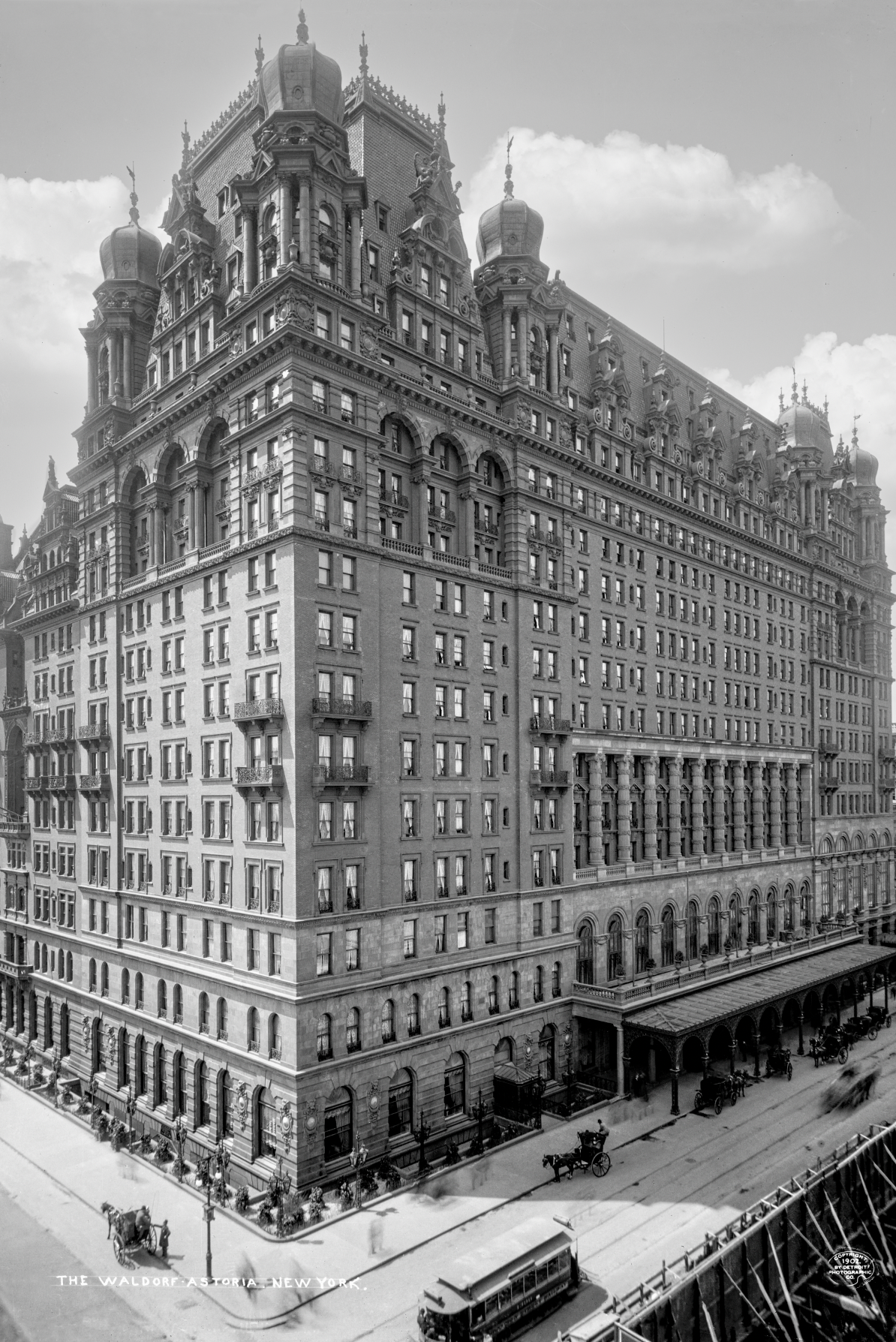

Six New York Landmarks That Changed the Manhattan Skyline
New York's skyline wasn't built overnight. Vintage photographs of Trinity Church, the Plaza, Waldorf-Astoria, Chrysler Building, Empire State Building and Rockefeller Center reveal how Manhattan grew from a city of church steeples and grand hotels into the skyscraper capital of the world.
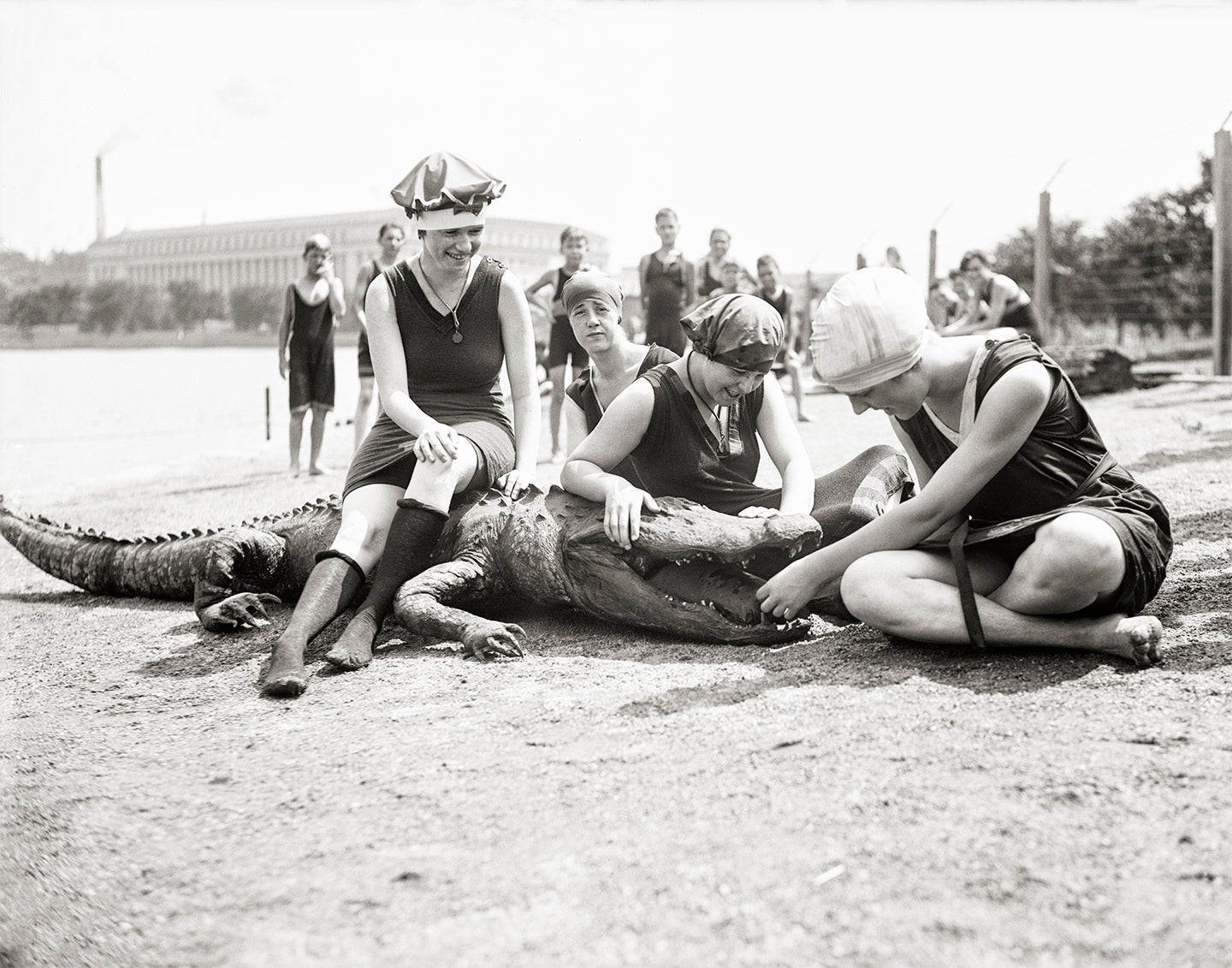

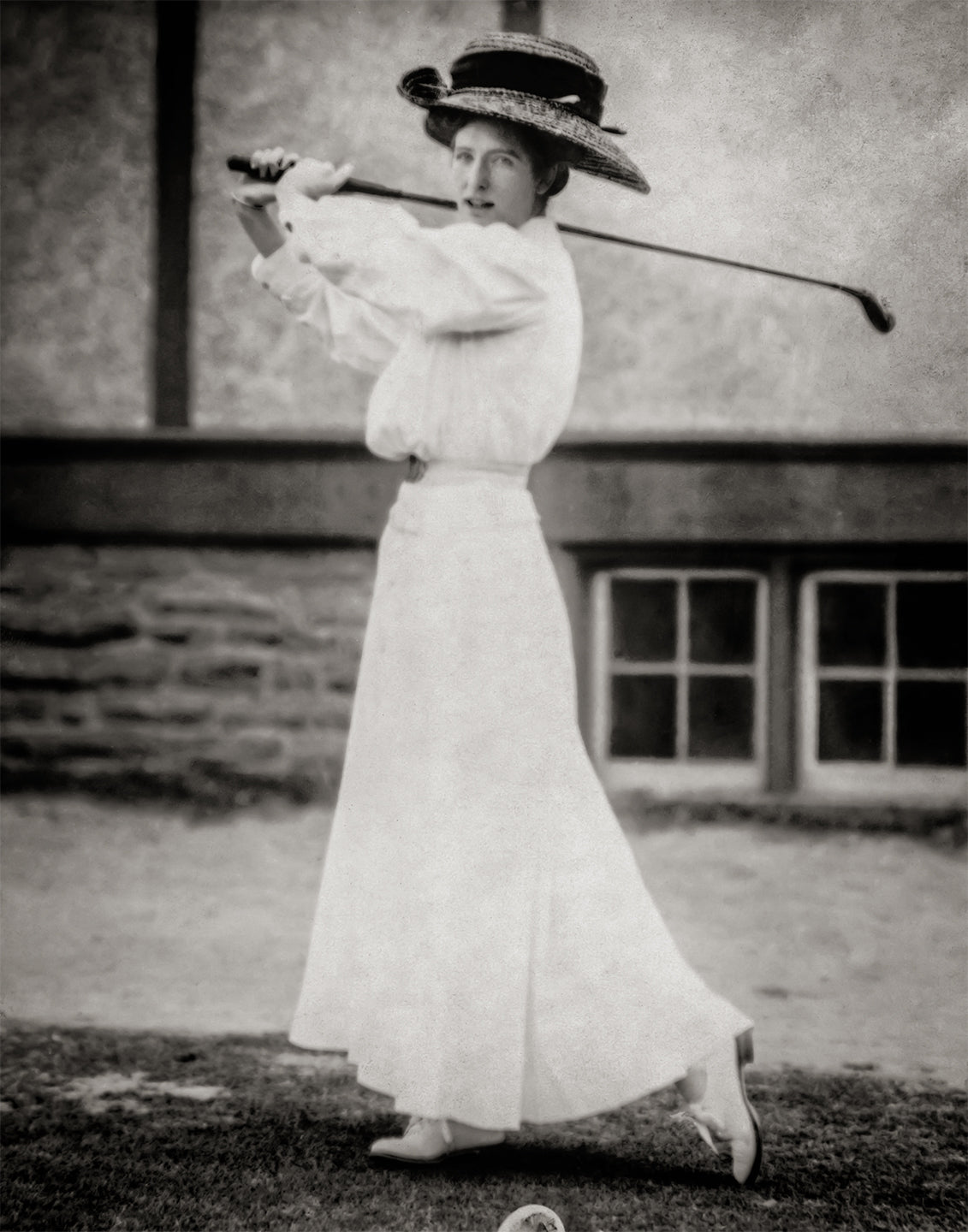

Why Did Americans Stop Wearing Hats?
Look at almost any American street photograph from the early 1900s and nearly everyone is wearing a hat. So why did this once-essential part of getting dressed nearly disappear? From enormous Edwardian hats and 1920s cloches to automobiles, changing hairstyles, casual fashion, and the JFK myth, discover what really happened to America's hats.
Let customers speak for us
Gems
These short clips are gems. They are part of the history of music in America. Thank you for posting.
S. Kelley Chambers

Love the print and perfect decor for our n...
Love the print and perfect decor for our new apartment in Pittsburgh.
Chris P

5 stars review from Laura
5 stars review from Laura
Laura D

5 stars review from Geri
5 stars review from Geri
Geri L

5 stars review from Stephanie
5 stars review from Stephanie
Stephanie

5 stars review from Brookelynz
5 stars review from Brookelynz
Brookelynz
5 stars review from Deborah
5 stars review from Deborah
Deborah G

Spectacular!
Received as a gift and could not be happier with the quality of the print. Shipping container ensure this arrived in perfect condition.
John

5 stars review from Kayla
5 stars review from Kayla
Kayla G

5 stars review from Blondiee
5 stars review from Blondiee
Blondiee

5 stars review from April
5 stars review from April
April Y

5 stars review from Tracie
5 stars review from Tracie
Tracie C

Great quality and fast delivery!
Great quality and fast delivery!
Amanda C

5 stars review from Autumnrayne4
5 stars review from Autumnrayne4
Autumnrayne4

5 stars review from Traca
5 stars review from Traca
Traca B
