


When Washington Went Swimming: The Forgotten History of the Tidal Basin
Today, Washington, D.C.'s Tidal Basin is one of the most familiar landscapes in America. Each spring, enormous crowds gather beneath its flowering cherry trees, cameras pointed toward the Jefferson Memorial and the pink-and-white blossoms reflected in the water. It is a place for walking, sightseeing and taking photographs, and few visitors would look across the basin today and think about putting on a bathing suit and jumping in.
A century ago, however, that is exactly what Washingtonians did.
For several summers during the early 20th century, the Tidal Basin was home to a popular public bathing beach. People came to swim, dive, paddle canoes, watch competitions and escape Washington's oppressive summer heat. There were changing facilities, swimming lessons and diving platforms, and the water itself was treated to make it safer for swimmers. On especially busy summer days, thousands of people crowded around the basin.
The story of the Tidal Basin beach is entertaining at first glance. There were bathing beauties, canoe races, beauty contests and even officials with tape measures checking the length of women's swimsuits. But behind those amusing details is a more complicated story about a changing America. The beach existed during an era when women were challenging old ideas about dress and behavior, swimming was becoming a popular form of recreation, and Washington's public facilities remained racially segregated. Eventually, the question of who was entitled to swim at the Tidal Basin became part of the reason nobody was allowed to swim there at all.
Historical photographs allow us to return to that surprisingly lively era when one of Washington's most dignified landscapes was also, quite simply, the local swimming hole.
Before the Tidal Basin Beach: Americans Discover the Water
At the beginning of the 20th century, a trip to the beach looked considerably different from the swimsuit-and-sunscreen outing we know today. Swimming was certainly popular, but social conventions—particularly for women—dictated how much of the body could appropriately be exposed in public. Women's bathing costumes often consisted of loose dresses or tunics worn over bloomers, sometimes accompanied by long stockings. The resulting outfits could contain an astonishing amount of fabric for clothing that was actually supposed to get wet.

Photo: Coney Island Bathers, 1900
Above: Coney Island Bathers, 1900. At the turn of the century, going into the water could involve considerably more clothing than it would only two decades later.
The bathers in this 1900 Coney Island photograph provide a wonderful starting point for the story. Their clothing belongs to a world in which going to the shore was already enormously popular, but the modern idea of the swimsuit had not yet fully emerged. The photograph becomes even more striking when compared with images taken only twenty or thirty years later. Within a single generation, the amount of clothing considered acceptable at the beach would change dramatically.
That transformation was happening alongside a broader change in American leisure. Growing cities created demand for places where ordinary people could escape crowded streets and summer heat. Beaches, amusement parks, public swimming pools and waterfront recreation became increasingly important parts of urban life. Coney Island became perhaps the most famous example, but the enthusiasm for swimming and outdoor recreation was hardly limited to seaside resorts. Even Washington, D.C.—a city better known for government buildings and monuments—wanted a place where residents could cool off.
The Tidal Basin seemed to provide an answer.
Washington Builds a Beach
Swimming in Washington's waterways was not new, but in 1918 the federal government established a formal public bathing beach at the Tidal Basin. This wasn't simply an unofficial patch of shoreline where residents happened to enter the water. The government developed the area specifically for recreation, creating a large sandy beach and facilities for the crowds expected to use it. Because the quality of the water was a concern even then, a system was installed to treat the water used by bathers.
When the beach opened in August 1918, Washingtonians gained something that must have seemed especially welcome during the city's notoriously hot and humid summers. Remember that this was long before air conditioning became commonplace in American homes. A swimming beach close to the center of the city wasn't merely a pleasant recreational amenity; for many people, it offered genuine relief from the heat.
The beach soon became a social destination as well as a place to swim. Visitors could splash in the shallows, take swimming lessons or venture toward floating diving platforms. Swimming races, diving exhibitions and canoe competitions added an element of spectacle. Vendors sold refreshments, spectators gathered to watch events, and the beach became a place to see friends and spend an afternoon. Contemporary accounts suggest just how popular it became: on particularly busy summer days, crowds could number in the thousands.
It is difficult to reconcile that bustling scene with the Tidal Basin we know today. We are accustomed to treating Washington's monumental landscape almost reverentially. Yet the Washington of the early 1920s could be considerably less formal.
A New Decade—and a New Kind of Bathing Suit
While Washingtonians were discovering their new beach, bathing fashions were undergoing a remarkable transformation. The cumbersome costumes of the late 19th and very early 20th centuries were gradually giving way to simpler suits that made it easier to actually swim. Arms appeared. Stockings began disappearing. Hemlines crept upward. Women's participation in swimming and other sports helped encourage clothing that permitted greater freedom of movement.

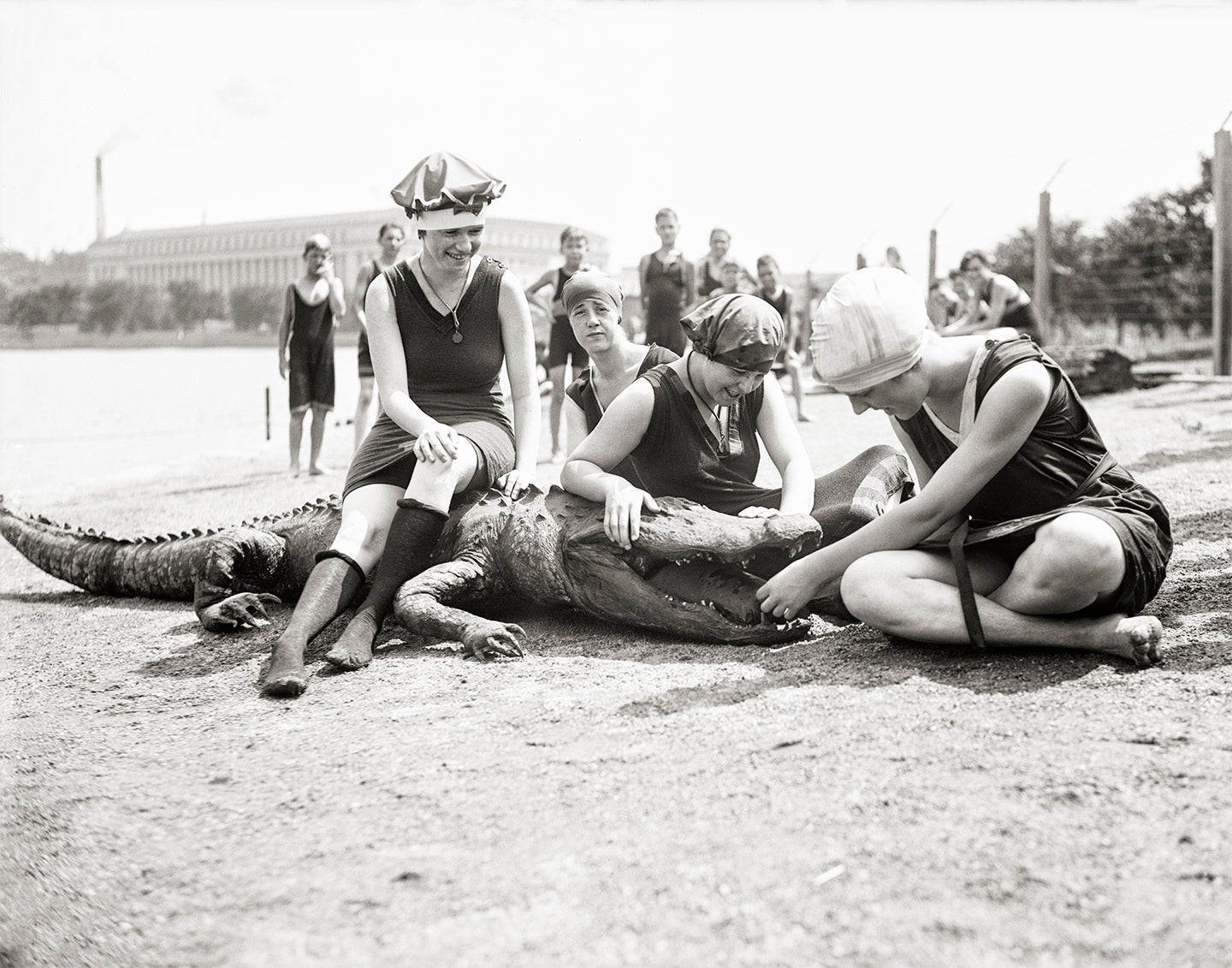
This wonderfully peculiar photograph from the HistoricalPix collection captures some of that change. Instead of the heavily dressed bathers seen at Coney Island in 1900, these young women belong unmistakably to the 1920s. Their bathing suits reveal arms and legs, and just as important, their attitude toward the camera feels different. They aren't merely documenting a day beside the water. They're playing for the camera, turning their strange reptilian prop into part of the fun.
The photograph also reminds us how quickly standards of acceptable dress can change. Only about two decades separate these women from the Coney Island bathers, yet their clothing represents a substantially different attitude toward the body, recreation and women's independence. After World War I, American women were entering public life in new ways, participating more visibly in athletics and embracing fashions that would have startled their mothers' generation.
Not everyone was comfortable with the change.
The Swimsuit Police Were Real
As women's bathing suits became shorter, authorities around the country attempted to establish rules defining exactly how short was too short. Washington joined them. In 1922, officials decreed that bathing suits at the Washington bathing beach could not end more than six inches above the knee.
The restrictions continued to evolve. Officials worried about the "tone" of the beach, and beauty contests that had once been part of its entertainment were eventually discouraged. The effort to preserve modesty seems particularly ironic in retrospect, because the cultural battle had largely already been lost. Across America, the swimsuit was becoming shorter, more fitted and increasingly associated not only with swimming but with youth, health, beauty and modern life.
The Rise of the Bathing Beauty
Few photographs demonstrate that transformation better than images of the so-called "bathing beauties" of the 1920s. The phrase itself became part of American popular culture as newspapers, advertising and the rapidly growing motion-picture industry discovered that attractive young women in bathing suits attracted attention.

Above: Bathing Beauties on the Beach, 1923.
Compare these women with the Coney Island bathers photographed in 1900. Only twenty-three years separate the two pictures, but they seem to belong to entirely different worlds. The layers and long stockings have largely vanished. The women's legs are exposed, their suits are sleeveless, and the group poses playfully for the photographer.
The difference isn't simply the amount of fabric. It is the way the women present themselves. They appear comfortable being photographed in their bathing suits and seem to be enjoying the attention of the camera. The swimsuit had begun its transformation from something worn reluctantly for modesty's sake into a fashion statement of its own.
Hollywood accelerated the change. Mack Sennett's famous bathing beauties had already helped make swimsuit-clad women a fixture of popular entertainment, while newspapers and magazines increasingly published photographs of swimmers, actresses and beauty contestants. The beach had become a stage as well as a place to swim.
Water Carnivals Turn Washington into a Playground
Washington's fascination with water recreation extended beyond swimming. Regattas and water carnivals brought together athletes, spectators and pleasure seekers for races, demonstrations and aquatic competitions. Canoeing was particularly popular, and Washington's waterways offered residents opportunities for recreation that are easy to overlook when viewing the capital only through photographs of monuments and government buildings.

Above: Canoe Regatta and Water Carnival, Washington, D.C., 1924.
This 1924 photograph captures Washington at play rather than at work. That distinction is one reason photographs like this are so valuable. Official photographs of the capital tend to emphasize presidents, politicians, ceremonies and monumental architecture. Everyday photographs show us something different: people looking for entertainment, competing with friends, getting wet, showing off and trying to enjoy a hot summer afternoon.
By the middle of the 1920s, however, the Tidal Basin beach was approaching the end of its remarkably short life. The reason went far beyond changing fashions or even concerns about the water.
The most serious controversy surrounding the beach concerned race.
A Public Beach That Wasn't Open to Everyone
Washington's Tidal Basin bathing beach was segregated. The elaborate facility that had become so popular with white Washingtonians was not equally available to the city's large Black population.
That inequality was impossible to separate from the broader racial politics of Washington in the early 20th century. Although Washington had a substantial and established African American community, segregation increasingly shaped public life. Recreational facilities were part of that system. The question was therefore not simply whether Washington should provide swimming facilities, but whether Black residents would be provided with facilities comparable to those enjoyed by white residents.
African American Washingtonians and their advocates pressed the government for an appropriate public bathing beach. Congress eventually approved money for a separate facility, and proposals were considered for where it should be constructed. But the idea of creating a comparable beach for Black swimmers generated political resistance. Debate continued while the existing white beach remained in operation.
By 1925, rather than integrate the existing beach or successfully establish an equivalent facility for Black Washingtonians, Congress ended the bathing-beach program. Funding disappeared, and the existing Tidal Basin beach was ordered dismantled. The facilities intended for Black swimmers were never completed.
There were also longstanding concerns about pollution and the suitability of Washington's waterways for swimming, but the surviving historical record makes the racial conflict impossible to dismiss as a footnote. The segregated beach had become politically difficult to sustain once demands for comparable access by Black Washingtonians could no longer simply be ignored. The solution ultimately chosen was not an integrated beach.
It was no beach.
After only a few years, one of Washington's most popular summer gathering places disappeared.
When There Was No Pool, Children Found Their Own
Closing an official beach, of course, didn't make Washington's summers any cooler, nor did it eliminate children's desire to play in the water.
One of the most charming photographs in the HistoricalPix collection was taken on July 7, 1926, about a year after the Tidal Basin bathing beach had closed. At first glance, it appears to be another carefree photograph of children enjoying a summer day. The location, however, makes it extraordinary.

The boys are standing in the Lincoln Memorial Reflecting Pool, apparently treating one of Washington's grandest monumental spaces as their neighborhood swimming hole. The original caption accompanying the photograph connected the scene with Congress's failure to appropriate money for public swimming pools in Washington. That detail gives the photograph a significance that isn't immediately obvious: the boys weren't simply fooling around where they didn't belong. On a hot July day, they were making use of the water that was available to them.
Behind them stands the Lincoln Memorial, one of the most solemn and recognizable structures in the United States, yet the boys seem wonderfully unimpressed by the grandeur of their surroundings. They have a toy sailboat, a pool full of water and a summer afternoon to enjoy. Seen in that context, the photograph becomes a charming glimpse of everyday Washington—a monumental landscape temporarily transformed into a children's playground.
It is also important to distinguish this location from the Tidal Basin. The boys are not swimming in the Tidal Basin but in the nearby Lincoln Memorial Reflecting Pool. Their photograph nevertheless belongs naturally in this story because it was taken in 1926, shortly after Washington's official Tidal Basin bathing beach had disappeared. It shows that closing the city's beach did not eliminate the desire for a cool place to swim, particularly for Washington's children.
By 1938, Everything Had Changed
The transformation of American bathing culture continued long after Washington's beach was gone. By the late 1930s, the swimsuit had become firmly established as fashionable clothing, and the connection between swimsuits, glamour and beauty contests was unmistakable.

Above: Miss Washington, D.C., photographed in 1938.
This photograph makes a fitting final stop in our visual journey. Place it beside the photograph of the Coney Island bathers from 1900 and the speed of the transformation becomes remarkable. In less than forty years, Americans had moved from bulky bathing costumes and stockings to fitted swimsuits that openly displayed women's arms, shoulders and legs.
The change reflected more than fashion. Women were increasingly visible as competitive swimmers and athletes. Swimming had become a popular recreational activity rather than simply an occasional seaside diversion. Hollywood and advertising celebrated the swimsuit-clad female figure, while beauty contests turned the swimsuit into a public symbol of glamour.
None of this meant that arguments about women's bodies had disappeared. Quite the opposite. The swimsuit would continue to provoke debates over modesty, sexuality and acceptable dress for decades. But the idea that women should enter the water weighed down by the elaborate bathing costumes of 1900 was rapidly becoming a relic of another age.
In just 38 years, the photographs tell the story.
A Century Later, the Tidal Basin Changes Again
The Tidal Basin survived the disappearance of its beach and eventually became one of Washington's most beloved landscapes. Yet the basin itself has never stopped changing. Over many decades, portions of its seawalls deteriorated as the ground settled and tidal flooding became increasingly frequent. Walkways sometimes disappeared beneath the water, and the aging infrastructure threatened both the landscape and its famous cherry trees.
A major federal restoration project begun in 2024 addressed those problems. More than 6,000 feet of seawall along the Tidal Basin and nearby Potomac River were rehabilitated, with the walls raised and strengthened to better withstand flooding. The restored area fully reopened to the public in April 2026.
Visitors can once again walk around the basin, photograph the Jefferson Memorial and wait each spring for the cherry blossoms to reach peak bloom. The restoration has brought renewed attention to a place Americans often think they already know, but historical photographs reveal another Tidal Basin entirely.
A century ago, this elegant monumental landscape was noisy with swimmers, divers, canoeists and spectators. Young women posed for photographs in the latest bathing suits. Officials worried about hemlines and dispatched a beach policeman with a tape measure. Crowds gathered for water carnivals and swimming competitions. At the same time, Black Washingtonians challenged a system that allowed a public recreational facility to exist while denying them equal access to it.
Look closely at the photos and how Washington's familiar landscapes changed. The dignified Tidal Basin becomes a neighborhood beach. The Reflecting Pool becomes a playground for boys and their toy sailboat. The women in old-fashioned bathing suits stop being anonymous figures from another era and become young people doing something remarkably familiar—meeting friends and heading for the water on a hot summer day.
Leave a comment
Comments will be approved before showing up.
Also in Time Capsule
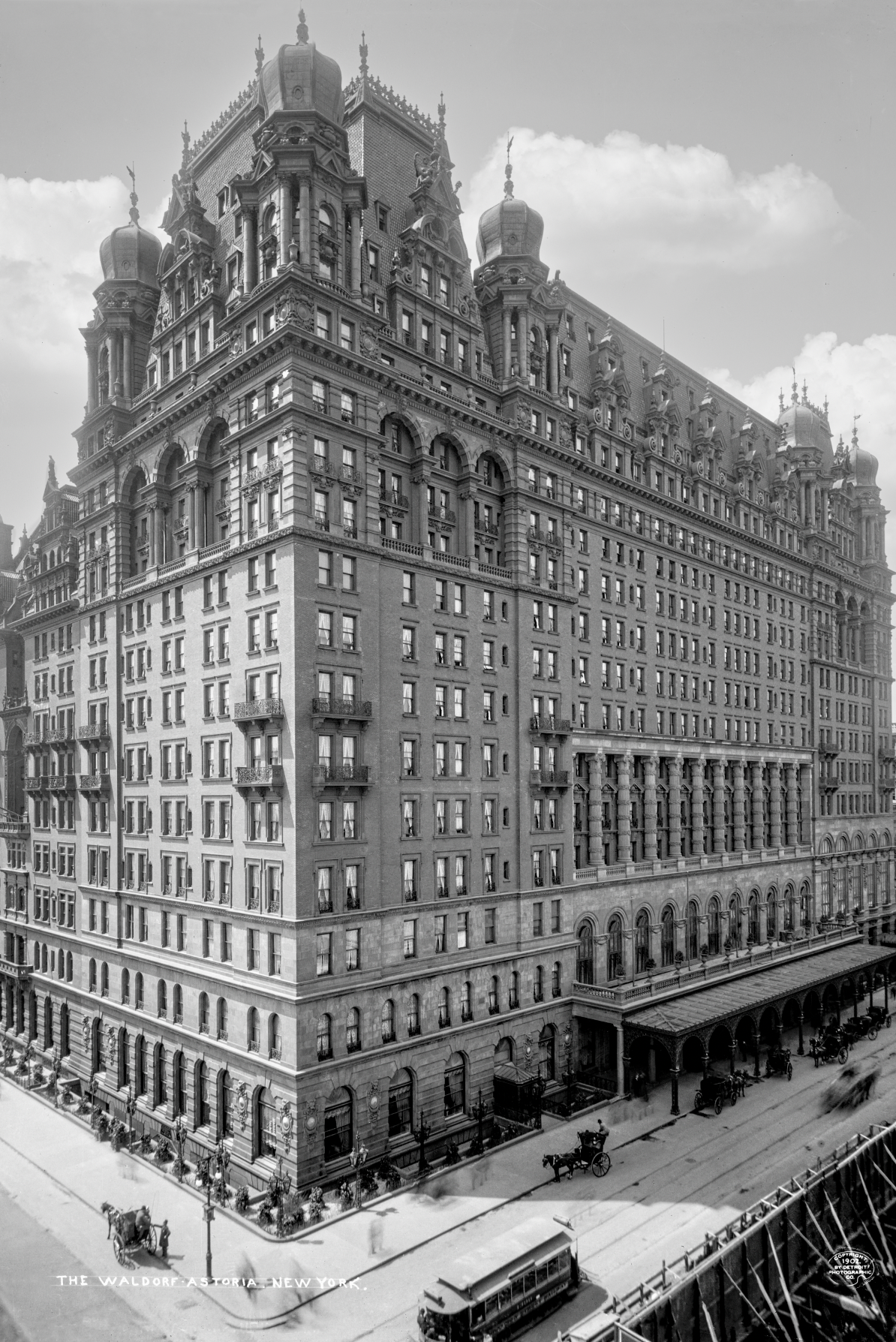

Six New York Landmarks That Changed the Manhattan Skyline
New York's skyline wasn't built overnight. Vintage photographs of Trinity Church, the Plaza, Waldorf-Astoria, Chrysler Building, Empire State Building and Rockefeller Center reveal how Manhattan grew from a city of church steeples and grand hotels into the skyscraper capital of the world.
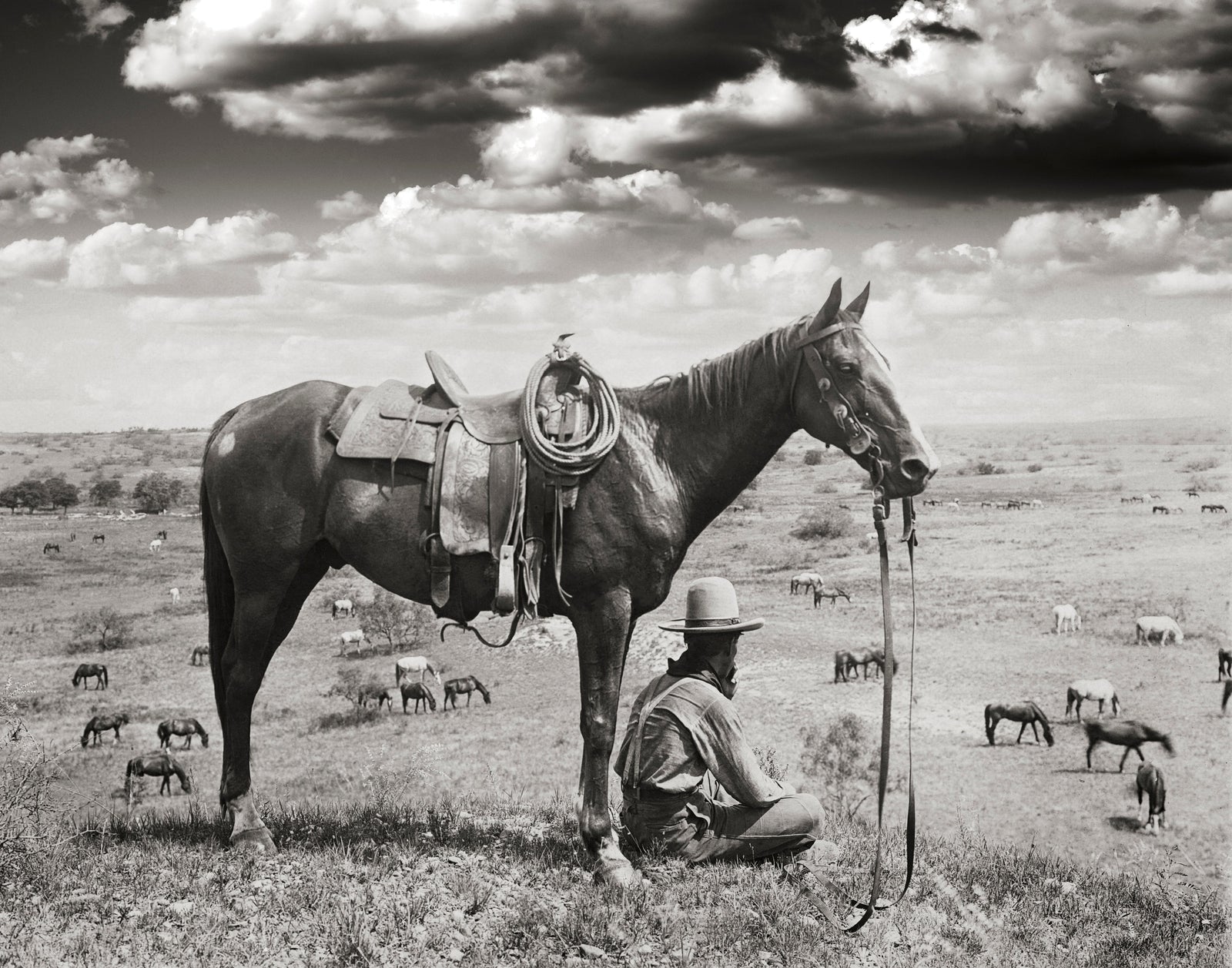

The Old West Never Really Ended
A cowboy on horseback overlooks the Dallas skyline in 1943—an image that seems to capture the Old West and modern America in a single frame. But the cowboy didn't disappear when the frontier closed. Discover how real working cowboys, rodeos, music and Hollywood carried the Old West into the 20th century.
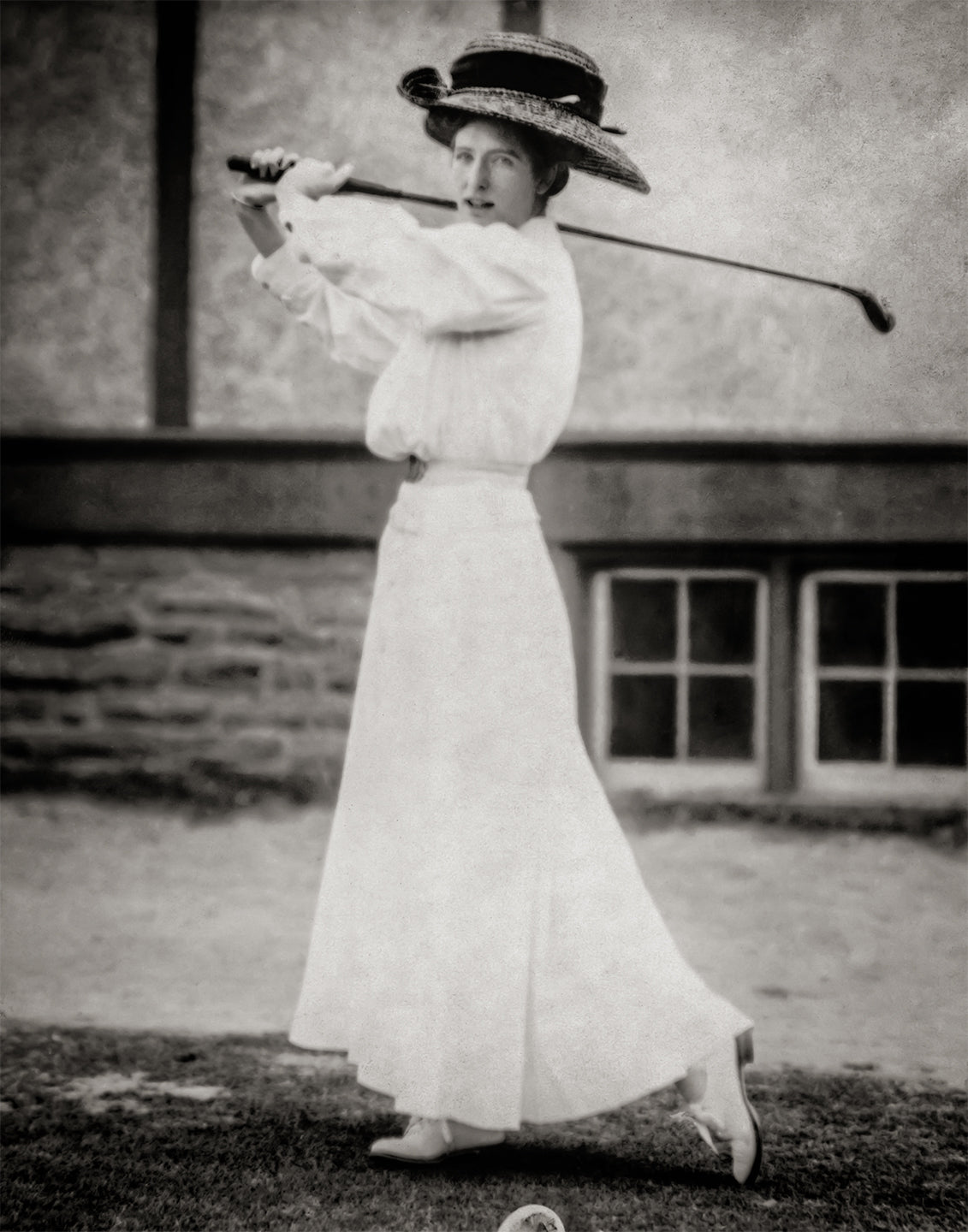

Why Did Americans Stop Wearing Hats?
Look at almost any American street photograph from the early 1900s and nearly everyone is wearing a hat. So why did this once-essential part of getting dressed nearly disappear? From enormous Edwardian hats and 1920s cloches to automobiles, changing hairstyles, casual fashion, and the JFK myth, discover what really happened to America's hats.
Let customers speak for us
Gems
These short clips are gems. They are part of the history of music in America. Thank you for posting.
S. Kelley Chambers

Love the print and perfect decor for our n...
Love the print and perfect decor for our new apartment in Pittsburgh.
Chris P

5 stars review from Laura
5 stars review from Laura
Laura D

5 stars review from Geri
5 stars review from Geri
Geri L

5 stars review from Stephanie
5 stars review from Stephanie
Stephanie

5 stars review from Brookelynz
5 stars review from Brookelynz
Brookelynz
5 stars review from Deborah
5 stars review from Deborah
Deborah G

Spectacular!
Received as a gift and could not be happier with the quality of the print. Shipping container ensure this arrived in perfect condition.
John

5 stars review from Kayla
5 stars review from Kayla
Kayla G

5 stars review from Blondiee
5 stars review from Blondiee
Blondiee

5 stars review from April
5 stars review from April
April Y

5 stars review from Tracie
5 stars review from Tracie
Tracie C

Great quality and fast delivery!
Great quality and fast delivery!
Amanda C

5 stars review from Autumnrayne4
5 stars review from Autumnrayne4
Autumnrayne4

5 stars review from Traca
5 stars review from Traca
Traca B
