

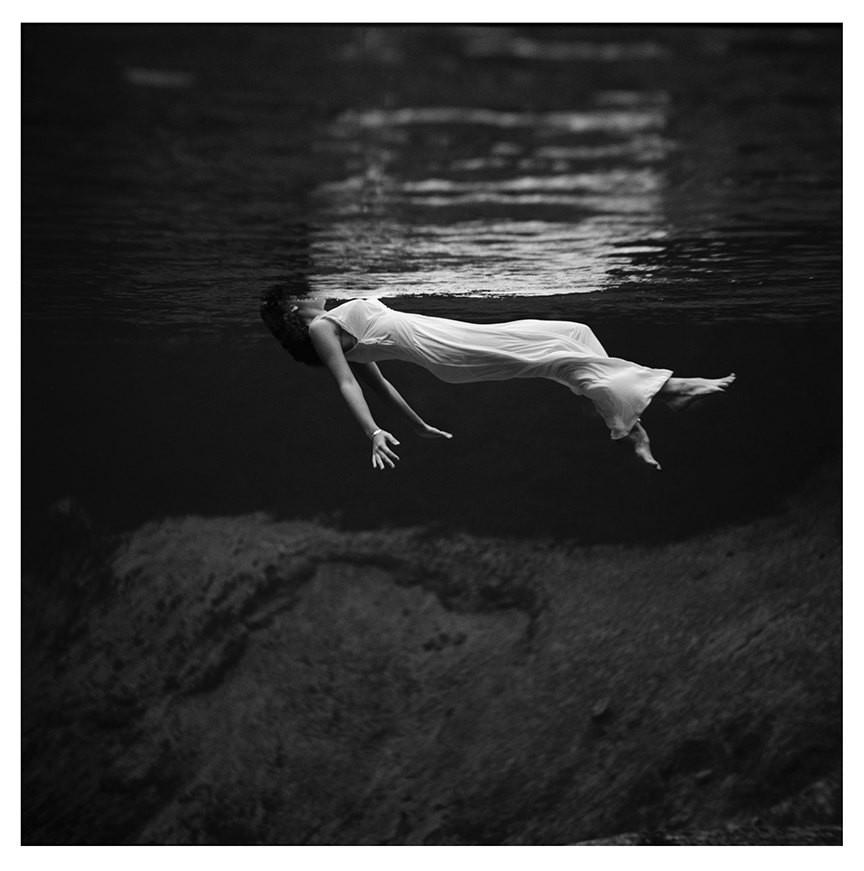

Toni Frissell: A Life Lived Through the Lens
Toni Frissell was one of the most distinctive American photographers of the twentieth century, a woman who rejected convention and, in doing so, reshaped fashion photography and documentary work alike. Born Antoinette Frissell Bacon in 1907 in New York City, she grew up in a privileged environment that placed her close to culture, art, and influence. But while many women of her class were expected to remain socialites, Frissell chose a camera instead of a calling card.
She began her career in the 1930s, initially working in publicity and assisting in fashion circles. What made her different emerged quickly: she refused to keep fashion confined to the studio. At a time when models were posed stiffly against painted backdrops under controlled lighting, Frissell took them outside. Beaches, ski slopes, ranches, city streets — she treated the world as her studio. That decision alone made her work stand apart.
Breaking the Studio Mold
During the 1930s and 1940s, fashion photography was dominated by elegance and artifice. The work of photographers for magazines like Vogue and Harper’s Bazaar emphasized glamour, composure, and formality. Frissell disrupted that aesthetic.
She photographed models running, jumping, skiing, riding horses. Her women looked athletic and alive rather than ornamental. Clothing moved with the body instead of hanging stiffly. She understood that fashion was not only about fabric but about freedom.
This approach resonated with changing ideas about women in American society. The interwar period and World War II were reshaping female roles. Frissell’s photographs captured women as active participants in life, not passive decorations. That shift helped define her reputation.
She worked for major publications including Vogue, Harper’s Bazaar, and Sports Illustrated. But even within those pages, her images had a different pulse. They felt spontaneous, even when carefully composed. She preferred natural light and real settings, and she often embraced imperfections — windblown hair, shifting posture, candid expression.
Fame Through Fashion — and Beyond It
Frissell became famous first as a fashion photographer. Her work was widely published, and she was respected in elite editorial circles. But her legacy extends beyond couture.
During World War II, she volunteered her services to the American Red Cross. Rather than simply document dignitaries and formal ceremonies, she photographed nurses, wounded soldiers, African American troops, and the human reality of war. She traveled to Europe and North Africa, producing images that combined compassion with compositional strength.
What made her war photography distinctive was the same instinct that shaped her fashion work: authenticity. She was drawn to people, not propaganda. Her photographs of Black soldiers were particularly significant at a time when segregation defined American military life. She gave them dignity and presence in her frames, which was uncommon in mainstream media coverage of the era.
After the war, she continued to photograph widely. She contributed to Sports Illustrated in its early years, capturing athleticism with the same dynamism she brought to fashion. Movement, strength, and environment remained central themes.
Style and Sensibility
Frissell’s photographs are often described as airy and kinetic. She favored open compositions and sweeping landscapes. Unlike many photographers who relied heavily on dramatic shadow or elaborate lighting, she leaned into clarity and motion.
There is also a psychological openness in her portraits. Her subjects frequently appear engaged with the world around them rather than posed for the viewer. This quality gave her work longevity; it feels modern even decades later.
Another difference was her personal independence. Frissell struggled with periods of depression throughout her life and often spoke about photography as a form of therapy — a way to channel energy outward. That emotional honesty seeps into her work. She was not chasing perfection; she was chasing vitality.
A Complicated Relationship with Privilege
Frissell’s background gave her access. She photographed high society, political figures, and cultural elites. But she did not limit herself to glamour. She was equally drawn to children in Harlem, rural communities, and everyday Americans.
This duality defined her career. She moved between worlds comfortably, yet she never seemed content to remain in one. Her archive reflects a broad curiosity about American life.
Her photographs are now preserved in major institutions, including the Library of Congress, which houses a large collection of her work. The breadth of that archive shows just how expansive her vision was.
Why She Still Matters
Toni Frissell helped redefine what fashion photography could be. She introduced movement where there had been stillness, realism where there had been artifice, and strength where there had been delicacy. She anticipated later generations of photographers who would blend lifestyle imagery with editorial fashion.
More importantly, she expanded the idea of who could stand in front of the camera. Her war photographs, images of children, athletes, and soldiers, all carry the same respect she gave to couture clients.
She was not merely documenting clothing or events. She was documenting energy — the energy of women stepping into public life, of soldiers enduring conflict, of children inhabiting city streets.
That sense of life in motion is what made Toni Frissell famous. It is also what makes her work endure.
You can find some of her work here:
Leave a comment
Comments will be approved before showing up.
Also in Time Capsule
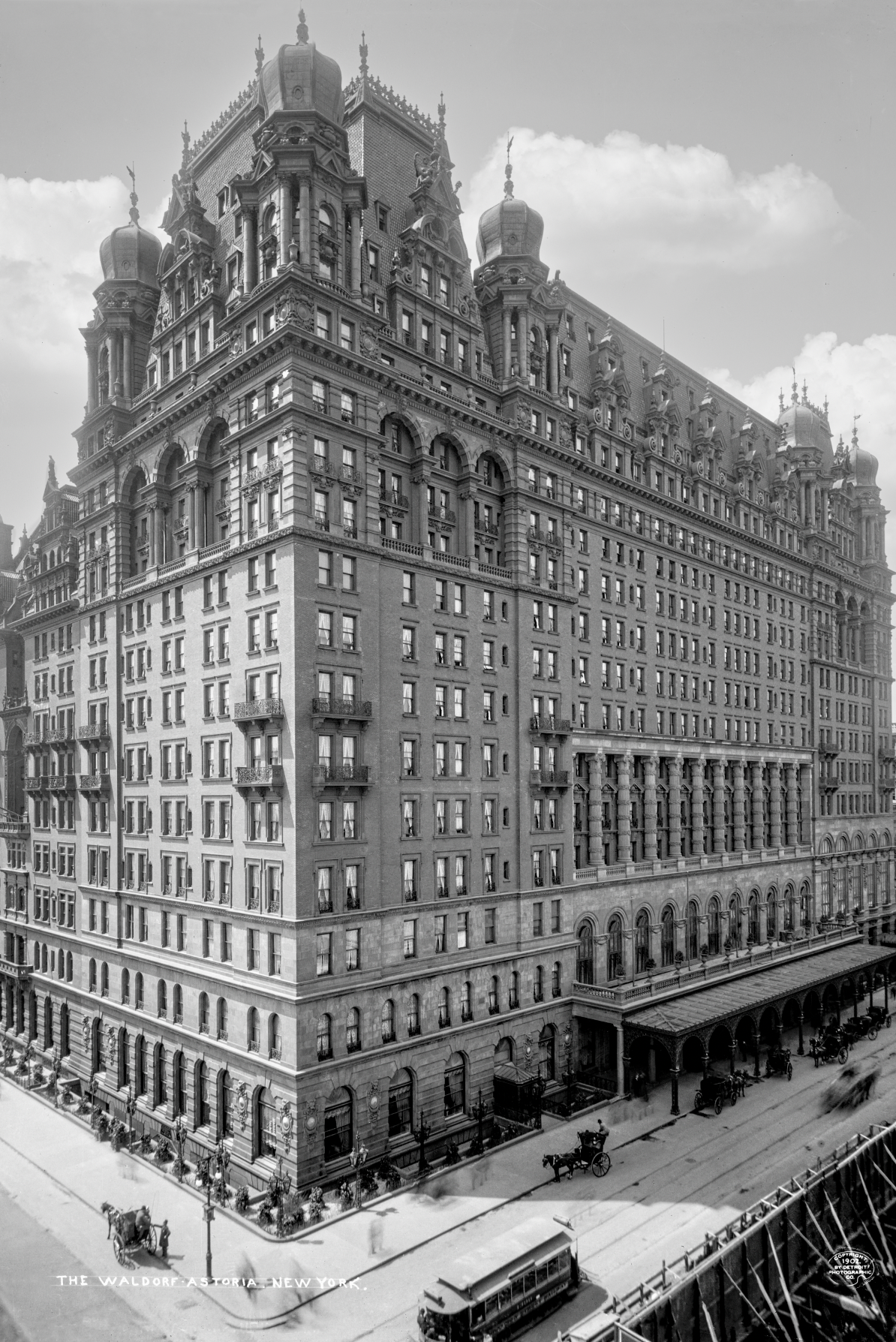

Six New York Landmarks That Changed the Manhattan Skyline
New York's skyline wasn't built overnight. Vintage photographs of Trinity Church, the Plaza, Waldorf-Astoria, Chrysler Building, Empire State Building and Rockefeller Center reveal how Manhattan grew from a city of church steeples and grand hotels into the skyscraper capital of the world.

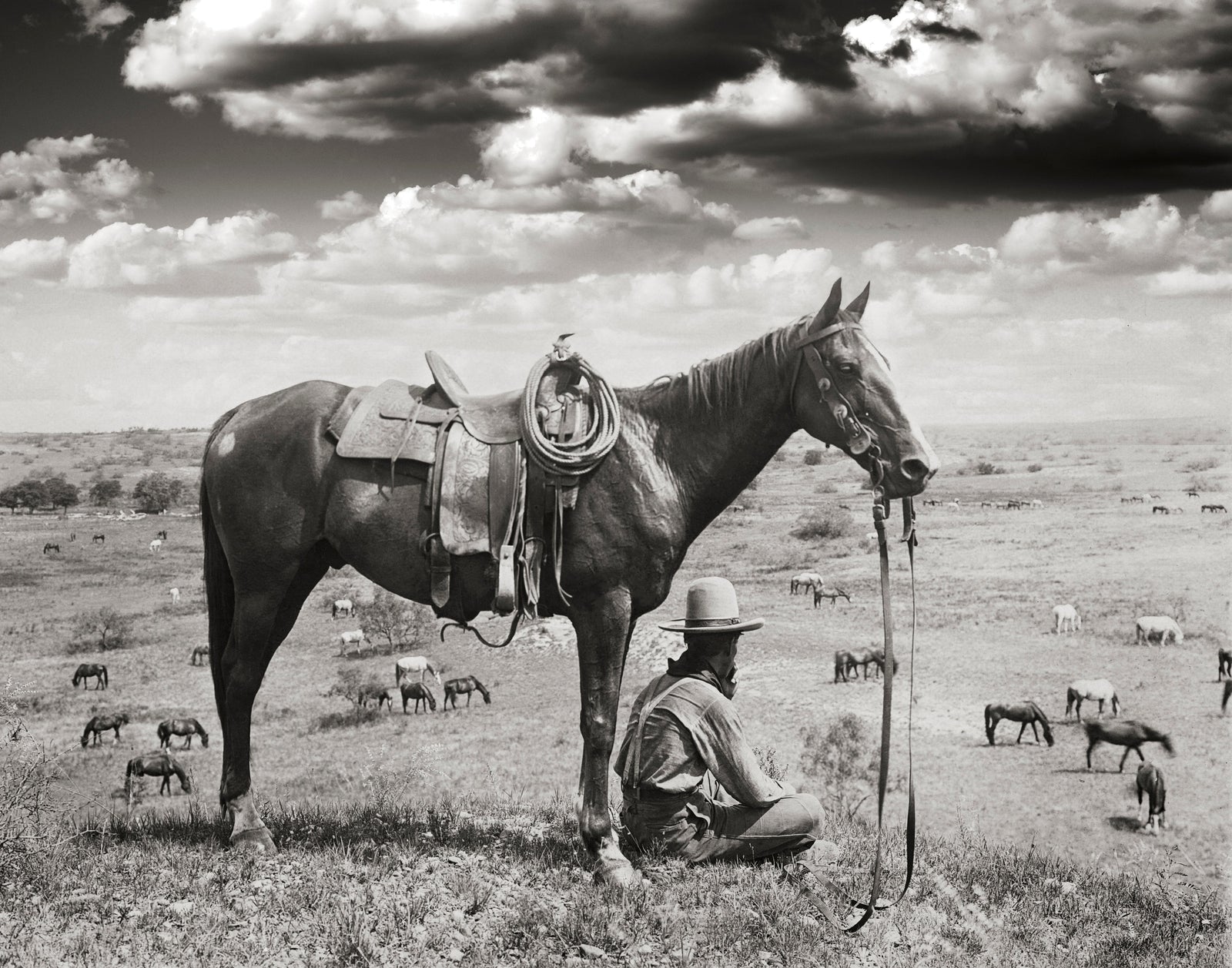

The Old West Never Really Ended
A cowboy on horseback overlooks the Dallas skyline in 1943—an image that seems to capture the Old West and modern America in a single frame. But the cowboy didn't disappear when the frontier closed. Discover how real working cowboys, rodeos, music and Hollywood carried the Old West into the 20th century.
Let customers speak for us
Gems
These short clips are gems. They are part of the history of music in America. Thank you for posting.
S. Kelley Chambers

Love the print and perfect decor for our n...
Love the print and perfect decor for our new apartment in Pittsburgh.
Chris P

5 stars review from Laura
5 stars review from Laura
Laura D

5 stars review from Geri
5 stars review from Geri
Geri L

5 stars review from Stephanie
5 stars review from Stephanie
Stephanie

5 stars review from Brookelynz
5 stars review from Brookelynz
Brookelynz
5 stars review from Deborah
5 stars review from Deborah
Deborah G

Spectacular!
Received as a gift and could not be happier with the quality of the print. Shipping container ensure this arrived in perfect condition.
John

5 stars review from Kayla
5 stars review from Kayla
Kayla G

5 stars review from Blondiee
5 stars review from Blondiee
Blondiee

5 stars review from April
5 stars review from April
April Y

5 stars review from Tracie
5 stars review from Tracie
Tracie C

Great quality and fast delivery!
Great quality and fast delivery!
Amanda C

5 stars review from Autumnrayne4
5 stars review from Autumnrayne4
Autumnrayne4

5 stars review from Traca
5 stars review from Traca
Traca B
