


Underwood Typewriters: Hartford’s Industrial Powerhouse of the Written Word
A Company Born in an Age of Ink and Industry
In the late nineteenth century, when correspondence meant ink-stained fingers and careful penmanship, the typewriter emerged as a transformative machine. Among the companies that helped define that revolution was the Underwood Typewriter Company, whose name would become synonymous with reliability, innovation, and modern office life. Though originally founded in New York in the 1890s, Underwood’s manufacturing heart would come to beat strongly in Hartford, Connecticut—then one of the most important industrial cities in America.
Hartford was already a manufacturing powerhouse. Insurance companies shaped its skyline, but factories shaped its identity. Firearms, sewing machines, bicycles, and precision tools were produced with remarkable skill. Into this environment stepped Underwood, bringing with it the machine that would define business communication for decades: the modern typewriter.
From Carbon Paper to Mechanical Mastery
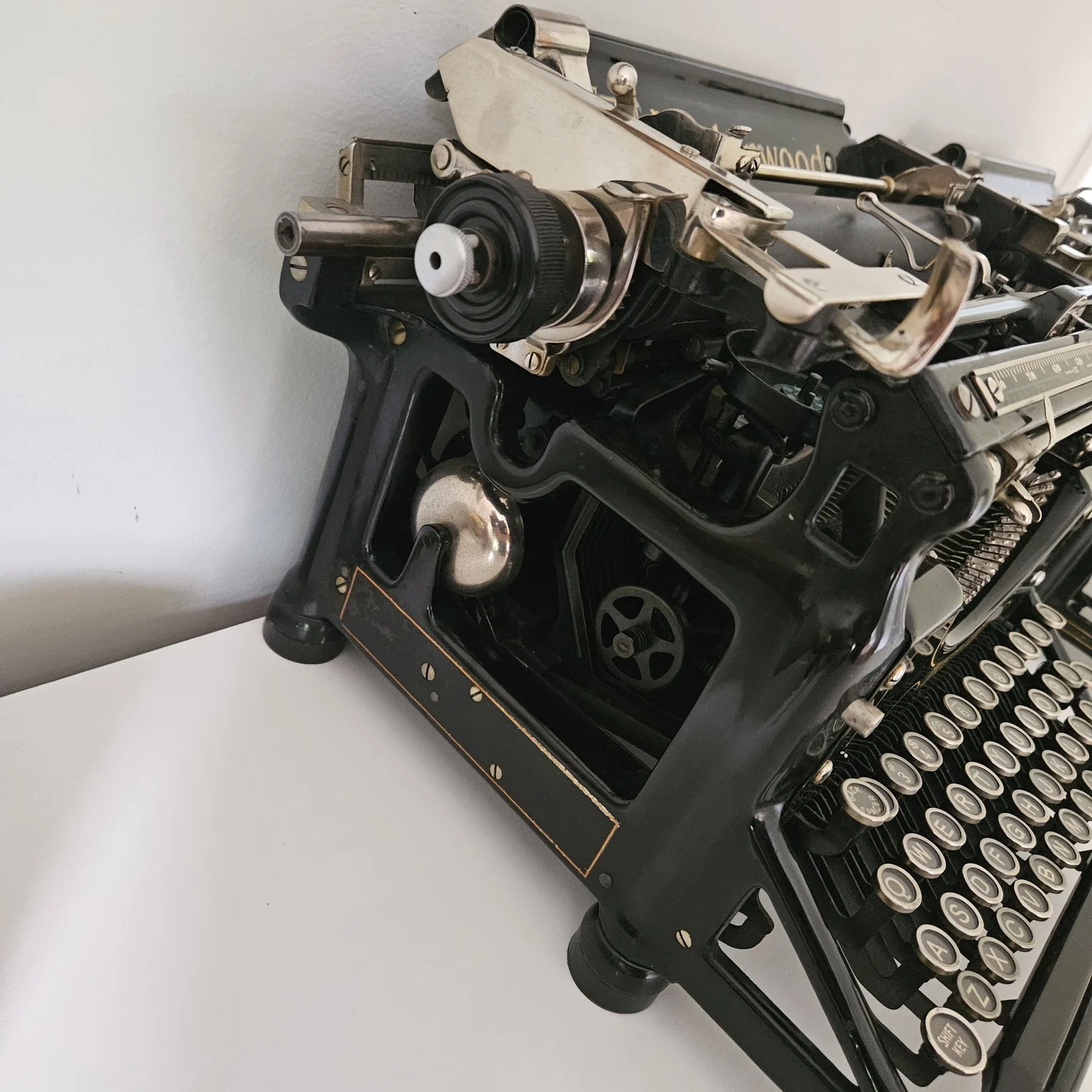
The Underwood story began with entrepreneur John T. Underwood, whose family business initially supplied carbon paper and ribbons for typewriters manufactured by other firms. When that relationship ended, Underwood made a bold move: instead of supplying others, he would build his own machines. The result was a typewriter that corrected many of the frustrations of earlier designs.
In 1895, Underwood introduced a front-strike, visible-writing typewriter. This was revolutionary. Earlier machines forced typists to lift a carriage or wait until finishing a line to see what they had typed. Underwood’s design allowed users to see their words as they were written. Accuracy improved. Productivity increased. Offices took notice.
By the early 20th century, Underwood had become one of the dominant forces in the industry. Its machines were known for durability and mechanical precision. They were not delicate contraptions; they were industrial tools, built to endure constant use in law offices, newsrooms, government agencies, and corporate headquarters.
Hartford: The Factory and the Workforce
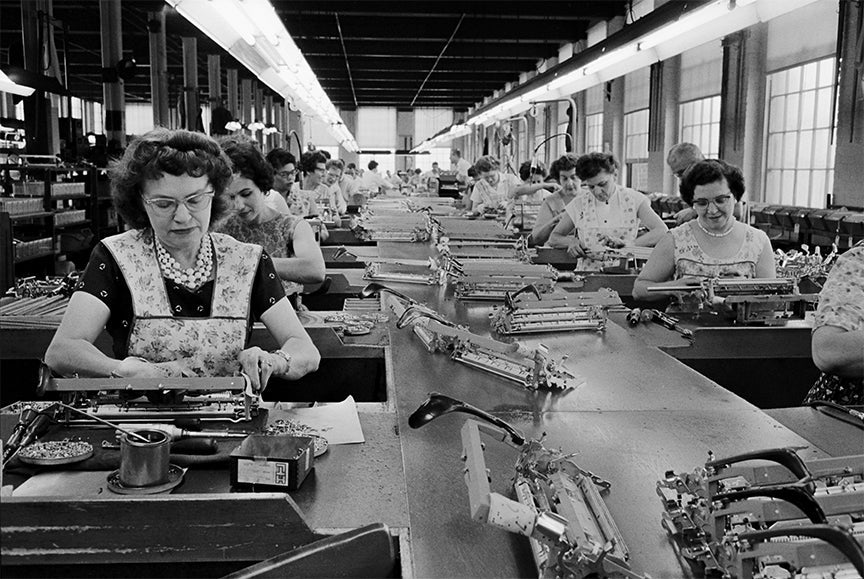
Underwood established a major manufacturing presence in Hartford, constructing large factory buildings that employed thousands of workers. At its peak, the company was one of the largest employers in the region. Skilled machinists, assemblers, inspectors, and office staff contributed to the production of machines that would be shipped across the United States and around the world.
The factory floors reflected the broader industrial character of Hartford at the time. Precision engineering was the norm. Workers operated lathes, presses, and stamping machines that shaped steel into the intricate mechanisms of the typewriter. Every key lever, typebar, and carriage component had to align perfectly. A typewriter that jammed or misaligned letters was unacceptable.
Underwood’s presence helped reinforce Hartford’s identity as a center of mechanical innovation. The city’s industrial ecosystem—its machine shops, foundries, and skilled workforce—made it an ideal home for such a company.
The Underwood No. 5: An Icon of Its Era
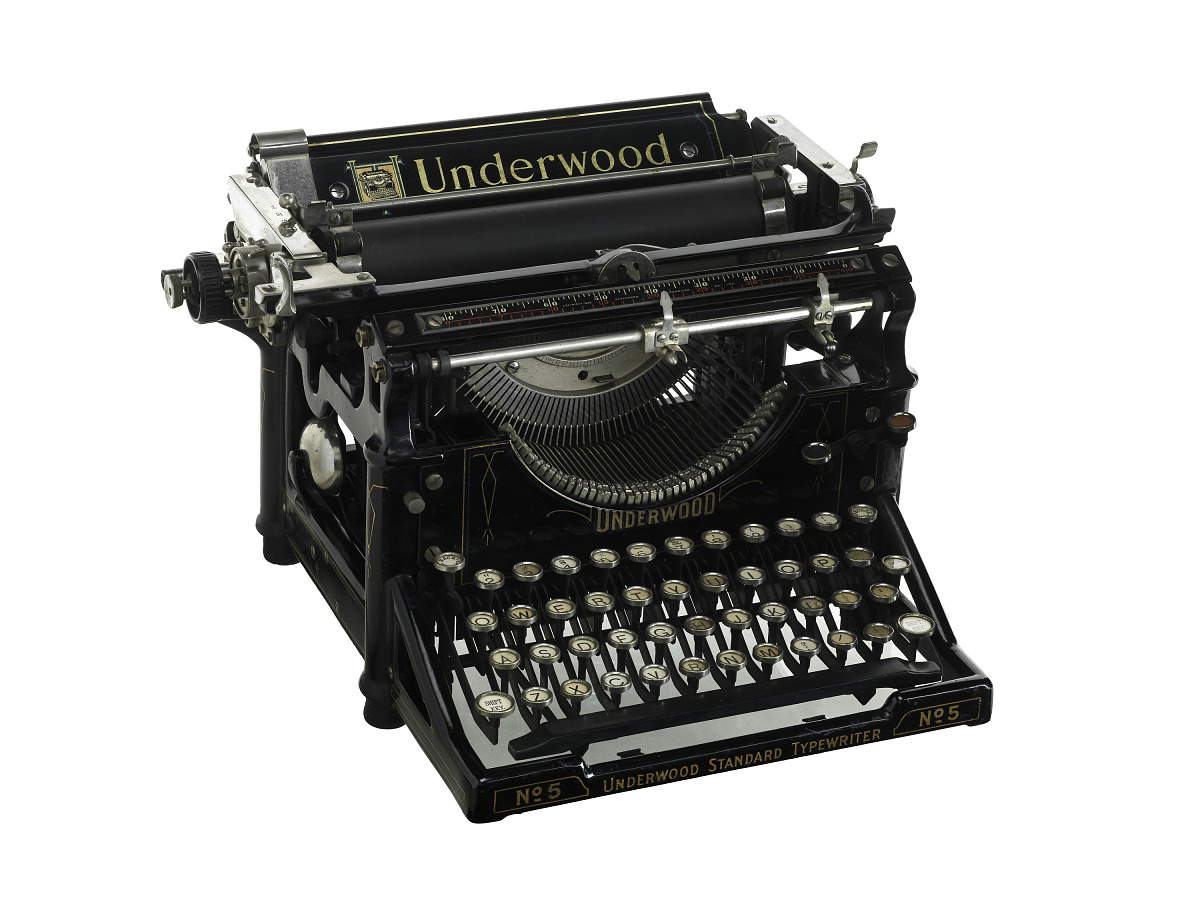
If one machine defined the company, it was the Underwood No. 5. Introduced in the early 1900s, it became the standard by which other typewriters were judged. Its balanced keyboard, smooth action, and visible writing system made it a favorite of professional typists.
The Underwood No. 5 was not merely an office appliance; it was a cultural artifact. Journalists used it to file stories. Novelists drafted manuscripts on it. Businesses relied on it to generate invoices, contracts, and correspondence. In many ways, it standardized the look of modern written communication.

In Hartford, thousands of these machines rolled off assembly lines each year. They were exported internationally, making Underwood a global brand long before globalization became a buzzword.
Women, Work, and the Typing Pool
The rise of the typewriter also reshaped the workforce. As demand for clerical labor increased, women entered offices in unprecedented numbers. The typist became a symbol of the modern workplace. Underwood machines sat in typing pools across America, their rhythmic clatter echoing through corporate hallways.
The company’s marketing often reflected this social shift, depicting capable, professional women mastering the keyboard. The typewriter did not merely accelerate business; it altered gender roles and expanded economic opportunities.
Hartford’s factories, too, employed women in various capacities, particularly during periods such as World War I and World War II when industrial production surged.
War Production and Industrial Adaptation
Like many American manufacturers, Underwood adapted during wartime. The company contributed to military production, applying its precision engineering capabilities to support national needs. Factories that once produced office machines could pivot toward components and equipment essential for defense.
This adaptability reflected both the flexibility of American industry and Hartford’s broader manufacturing expertise. The city’s industrial base allowed companies like Underwood to respond quickly to shifting economic demands.
Decline in a Changing Technological Landscape
The mid-20th century brought new challenges. Electric typewriters began replacing manual machines. Later, entirely new technologies—word processors and eventually personal computers—would transform written communication yet again.
Underwood attempted to adapt, merging with other firms and updating product lines. But the mechanical typewriter’s dominance faded. By the late 20th century, the company’s prominence had diminished, and its Hartford operations no longer held the industrial weight they once did.
The factories that once symbolized innovation became part of Hartford’s industrial past. Yet their legacy endured in the machines still found in antique shops, collections, and historical photographs.
A Mechanical Legacy That Endures
Today, Underwood typewriters are prized by collectors, writers, and historians. Their solid cast-iron frames and elegant keytops speak to a time when machines were built to last. They are tactile, audible reminders of an era before digital text.
For Hartford, Underwood represents more than a business success story. It embodies the city’s industrial heritage—a period when skilled labor, engineering ingenuity, and manufacturing scale positioned Hartford as a leader in American production.
The typewriter changed how people worked, communicated, and recorded history. Underwood helped make that change possible. And in the rhythmic striking of keys and the imprint of ink on paper, the legacy of Hartford’s factories lives on.
Leave a comment
Comments will be approved before showing up.
Also in Time Capsule

Six New York Landmarks That Changed the Manhattan Skyline
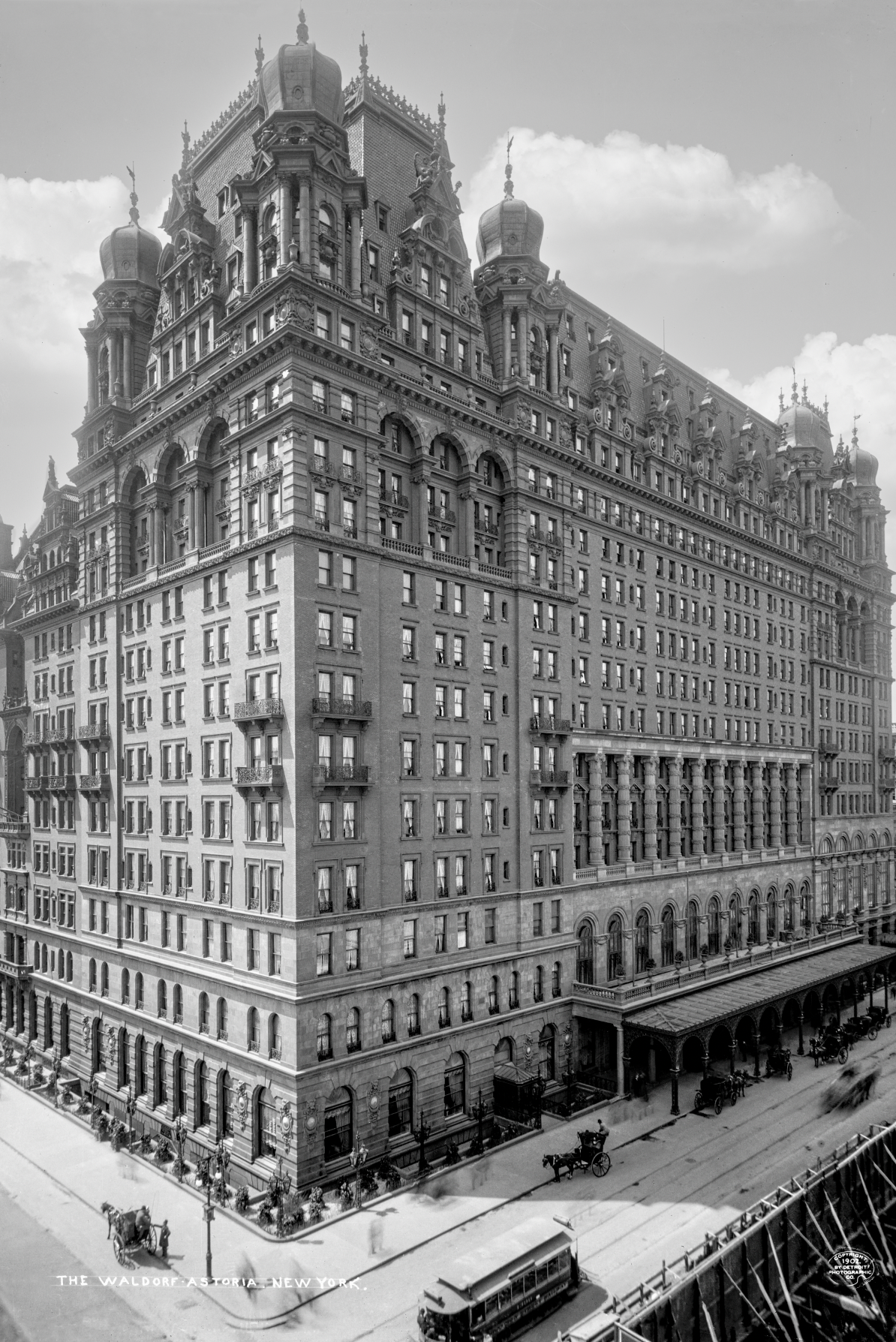
New York's skyline wasn't built overnight. Vintage photographs of Trinity Church, the Plaza, Waldorf-Astoria, Chrysler Building, Empire State Building and Rockefeller Center reveal how Manhattan grew from a city of church steeples and grand hotels into the skyscraper capital of the world.

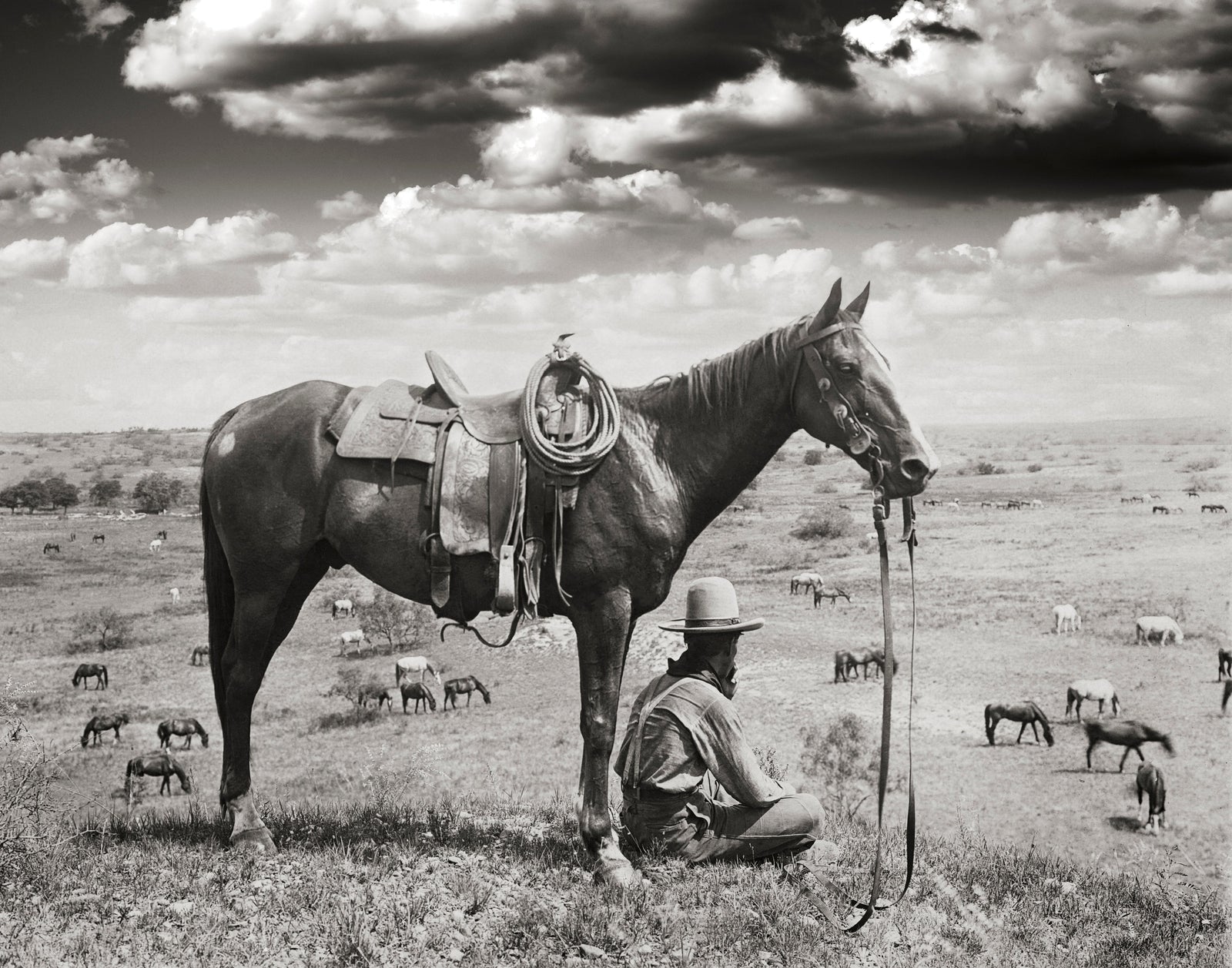

The Old West Never Really Ended
A cowboy on horseback overlooks the Dallas skyline in 1943—an image that seems to capture the Old West and modern America in a single frame. But the cowboy didn't disappear when the frontier closed. Discover how real working cowboys, rodeos, music and Hollywood carried the Old West into the 20th century.
Let customers speak for us
Gems
These short clips are gems. They are part of the history of music in America. Thank you for posting.
S. Kelley Chambers

Love the print and perfect decor for our n...
Love the print and perfect decor for our new apartment in Pittsburgh.
Chris P

5 stars review from Laura
5 stars review from Laura
Laura D

5 stars review from Geri
5 stars review from Geri
Geri L

5 stars review from Stephanie
5 stars review from Stephanie
Stephanie

5 stars review from Brookelynz
5 stars review from Brookelynz
Brookelynz
5 stars review from Deborah
5 stars review from Deborah
Deborah G

Spectacular!
Received as a gift and could not be happier with the quality of the print. Shipping container ensure this arrived in perfect condition.
John

5 stars review from Kayla
5 stars review from Kayla
Kayla G

5 stars review from Blondiee
5 stars review from Blondiee
Blondiee

5 stars review from April
5 stars review from April
April Y

5 stars review from Tracie
5 stars review from Tracie
Tracie C

Great quality and fast delivery!
Great quality and fast delivery!
Amanda C

5 stars review from Autumnrayne4
5 stars review from Autumnrayne4
Autumnrayne4

5 stars review from Traca
5 stars review from Traca
Traca B
