


Dorothea Lange: The Photographer Who Made America Look at Itself
A Camera Turned Toward Human Struggle

Few photographers have shaped the visual memory of American history as profoundly as Dorothea Lange. Through her lens, millions of Americans saw the human cost of the Great Depression, the struggles of migrant workers, and the injustices of wartime policies. Her photographs did more than document events—they forced the nation to confront the realities unfolding across its own landscape.
Lange’s images are now among the most recognizable photographs in American history. Yet when she began her career, she had no intention of becoming a chronicler of social upheaval. She started as a portrait photographer, operating a successful studio in San Francisco. It was only when the economic catastrophe of the 1930s unfolded outside her door that her work took a dramatic turn.
What followed would transform both her career and the role of photography in American society.
Early Life and the Path to Photography
Dorothea Lange was born in 1895 in Hoboken, New Jersey. Her childhood was marked by events that would shape her outlook for the rest of her life. At the age of seven she contracted polio, leaving her with a weakened leg and a permanent limp. The physical challenge forced her to move through the world differently, often observing rather than participating.
Years later she would reflect that the illness had taught her empathy and patience—qualities that would become essential to her photographic approach.
Her family life also changed dramatically when her father abandoned the household when Lange was twelve years old. Afterward, she dropped his surname and adopted her mother’s maiden name, Lange. These early disruptions instilled both independence and resilience.
Lange did not receive formal academic training in photography at a university, but she learned the craft through apprenticeships and practical experience. In New York she worked under several professional photographers, absorbing technical skills and learning the demands of portrait photography.
By 1918 she had traveled west and settled in San Francisco, a city that would become the center of her professional life.
A Successful Studio Photographer
In San Francisco, Lange established a portrait studio that quickly gained a strong reputation. Her clients included artists, merchants, social figures, and members of the city’s professional class. Studio portraiture in the 1920s required careful attention to lighting, composition, and human expression, and Lange proved highly skilled at drawing personality from her subjects.
Her work was refined and elegant, reflecting the style expected by paying clients. For more than a decade, she built a stable career photographing people in controlled studio environments.
But the world outside the studio walls was changing rapidly.
The Great Depression Arrives
When the stock market crashed in 1929, the economic collapse that followed spread across the country with devastating speed. By the early 1930s, unemployment soared, banks failed, and families lost farms, homes, and businesses. In California, waves of migrants arrived after fleeing drought and economic hardship in the Midwest and Great Plains.
San Francisco’s streets filled with unemployed men searching for work. Bread lines stretched along sidewalks. Entire communities faced uncertainty.
Lange began noticing the human drama unfolding outside her studio door. One day, instead of turning away from the window, she took her camera into the streets.
What she saw changed the direction of her life.
Turning the Camera Toward the Streets
Lange began photographing unemployed workers, homeless individuals, and migrants who had come west in search of opportunity. Her early documentary images were direct and unsentimental. She focused on faces, gestures, and posture—details that revealed exhaustion, anxiety, and determination.
Unlike studio portraits, these photographs required patience and trust. Lange approached people slowly, often speaking with them before raising her camera. She believed that understanding her subjects was essential to portraying them honestly.
Her photographs soon attracted attention. They conveyed a reality that statistics alone could not capture. The economic crisis had human faces, and Lange was documenting them.
Work with the Farm Security Administration
In 1935, Lange was recruited to work for the federal government’s Farm Security Administration (FSA), a New Deal agency created to combat rural poverty. The FSA employed photographers to document conditions across the country, creating a visual record of the Depression.
Lange joined a group of photographers that included Walker Evans and Gordon Parks. Their mission was to travel across rural America and photograph the lives of struggling farmers, migrant workers, and displaced families.
These photographs served both documentary and political purposes. They informed government programs while also helping Americans understand the scale of the crisis.
Lange traveled extensively across California and the Southwest, photographing migrant labor camps, agricultural workers, and families living in makeshift roadside shelters.
“Migrant Mother”
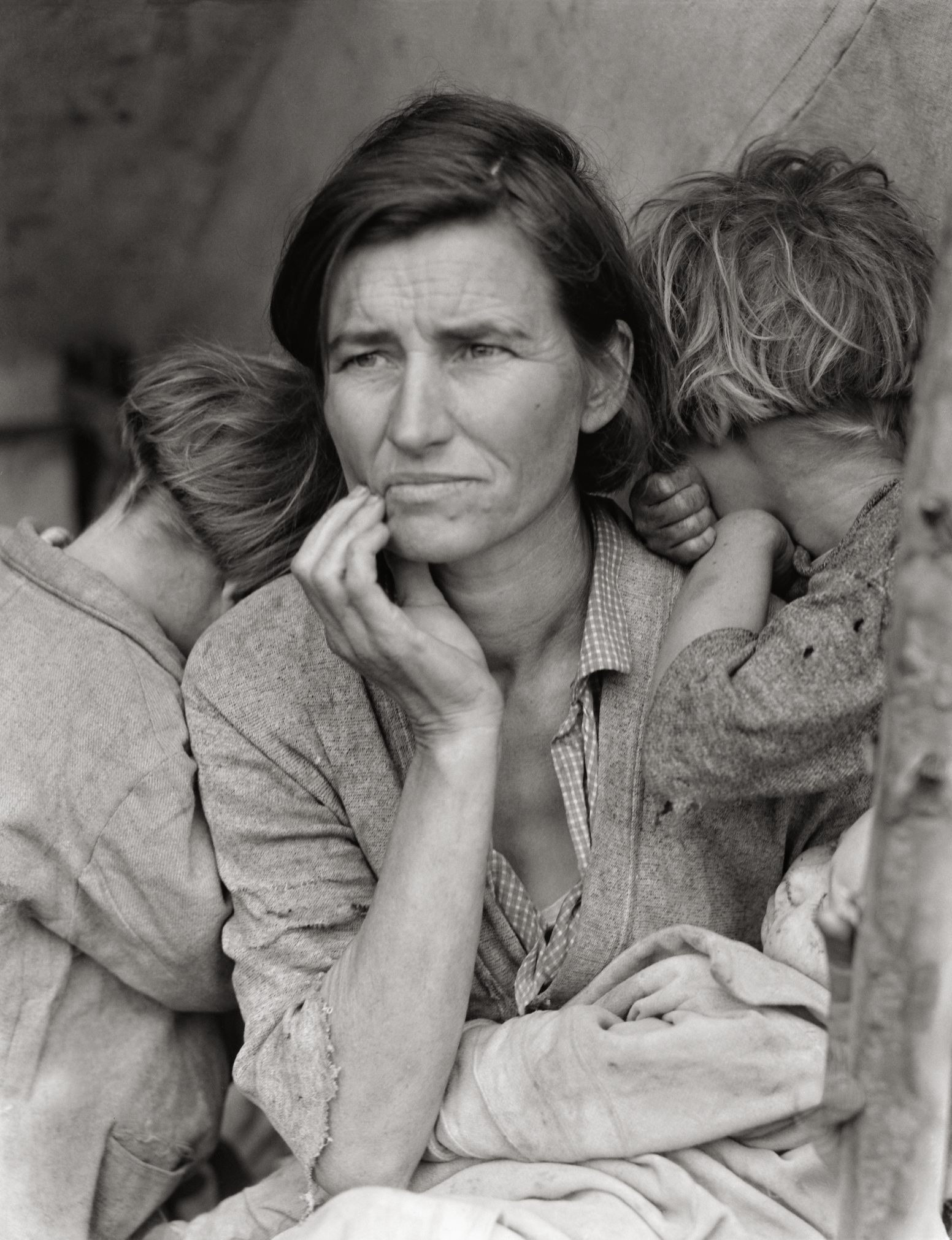
In 1936, Lange created the photograph that would become her most famous work. While traveling through California’s agricultural region, she encountered a migrant family living in a temporary camp. The mother, Florence Owens Thompson, sat surrounded by her children, her expression a mixture of worry and strength.
The photograph became known as “Migrant Mother.”
The image captures a woman gazing into the distance while two children lean against her shoulders and a baby rests in her lap. The composition is intimate and powerful. The mother’s lined face conveys fatigue, but also resilience.
When the photograph was published, it quickly became an icon of the Great Depression. It symbolized the struggles faced by millions of Americans and helped draw attention to the desperate conditions of migrant workers.
The image remains one of the most widely recognized photographs ever taken.
Documenting the Dust Bowl Migration
Lange continued traveling through California’s Central Valley and surrounding regions, photographing the migration of families escaping the Dust Bowl. Severe drought and soil erosion had devastated farmland in Oklahoma, Texas, Kansas, and other states, forcing thousands of farmers to abandon their homes.
Many migrants traveled west along Route 66, hoping to find work in California’s agricultural fields.
Lange documented their arrival in roadside camps and labor settlements. Her photographs show overloaded cars, makeshift shelters, children playing in dusty yards, and adults waiting anxiously for employment.
These images revealed the scale of internal migration during the Depression. They also challenged stereotypes that portrayed migrants as lazy or irresponsible. Lange’s photographs emphasized dignity and perseverance.
Photographing Wartime Injustice
During World War II, Lange turned her attention to another controversial chapter in American history: the forced relocation and internment of Japanese Americans following the attack on Pearl Harbor.
The U.S. government ordered more than 100,000 people of Japanese descent—many of them American citizens—to leave their homes and move into internment camps. Lange was commissioned by the War Relocation Authority to document the process.
Her photographs show families preparing to leave their homes, waiting in assembly centers, and boarding buses bound for camps in remote desert regions.
Unlike propaganda images intended to portray the policy as orderly and humane, Lange’s photographs often conveyed discomfort and injustice. Children stood with identification tags attached to their clothing. Families carried suitcases containing only what they could bring.
Many of these photographs were suppressed by the government during the war because they revealed the emotional cost of the policy.
Today, they stand as some of the most important visual records of Japanese American internment.
Later Career and Recognition
After the war, Lange continued working as a documentary photographer and educator. She traveled internationally, photographing communities in Asia, South America, and the Middle East.
In 1945 she became a founding member of Magnum Photos, the influential photography cooperative established by leading photojournalists of the era. The organization helped redefine documentary photography as both journalism and art.
Lange also worked on assignments for magazines such as Life and collaborated on photographic essays exploring rural communities and social change.
Legacy of Compassion
Dorothea Lange died in 1965, but her influence on photography and social awareness continues to resonate. Her work demonstrated that photographs could shape public understanding of major historical events. By focusing on individuals rather than abstract statistics, she transformed social issues into human stories.
Her images remain central to how Americans visualize the Great Depression. The faces she photographed—migrant mothers, farm workers, displaced families—represent millions of people whose struggles might otherwise have been forgotten.
Lange once said that the camera was “an instrument that teaches people how to see without a camera.” Her photographs did exactly that. They helped viewers see the humanity behind economic hardship, migration, and injustice.
Today, her work is preserved in museums, archives, and history books. More than documents of the past, her photographs remain reminders that photography has the power not only to record history, but to shape how it is understood. View Dorthea Lange photographs.
Leave a comment
Comments will be approved before showing up.
Also in Time Capsule

Six New York Landmarks That Changed the Manhattan Skyline
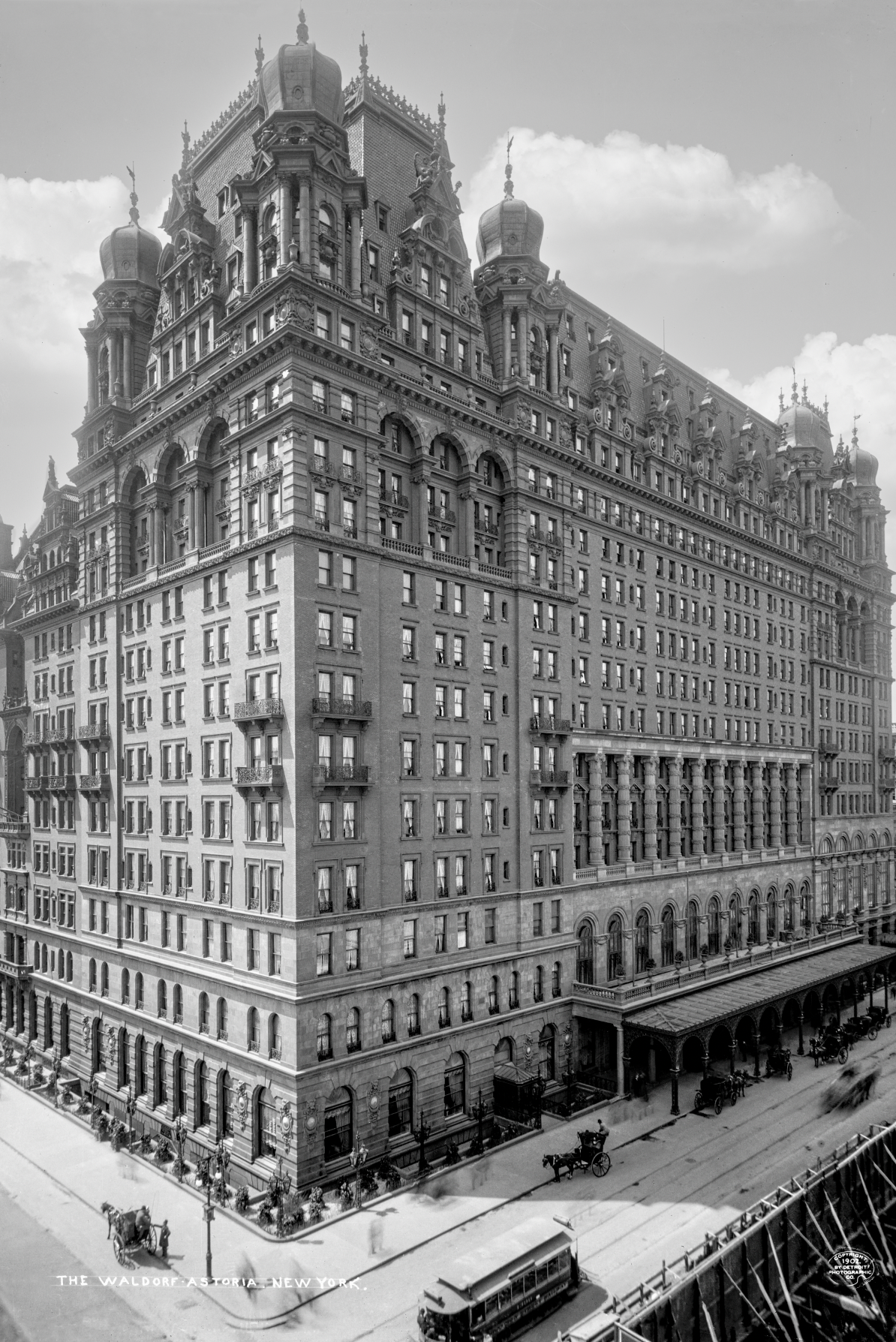
New York's skyline wasn't built overnight. Vintage photographs of Trinity Church, the Plaza, Waldorf-Astoria, Chrysler Building, Empire State Building and Rockefeller Center reveal how Manhattan grew from a city of church steeples and grand hotels into the skyscraper capital of the world.


The Old West Never Really Ended
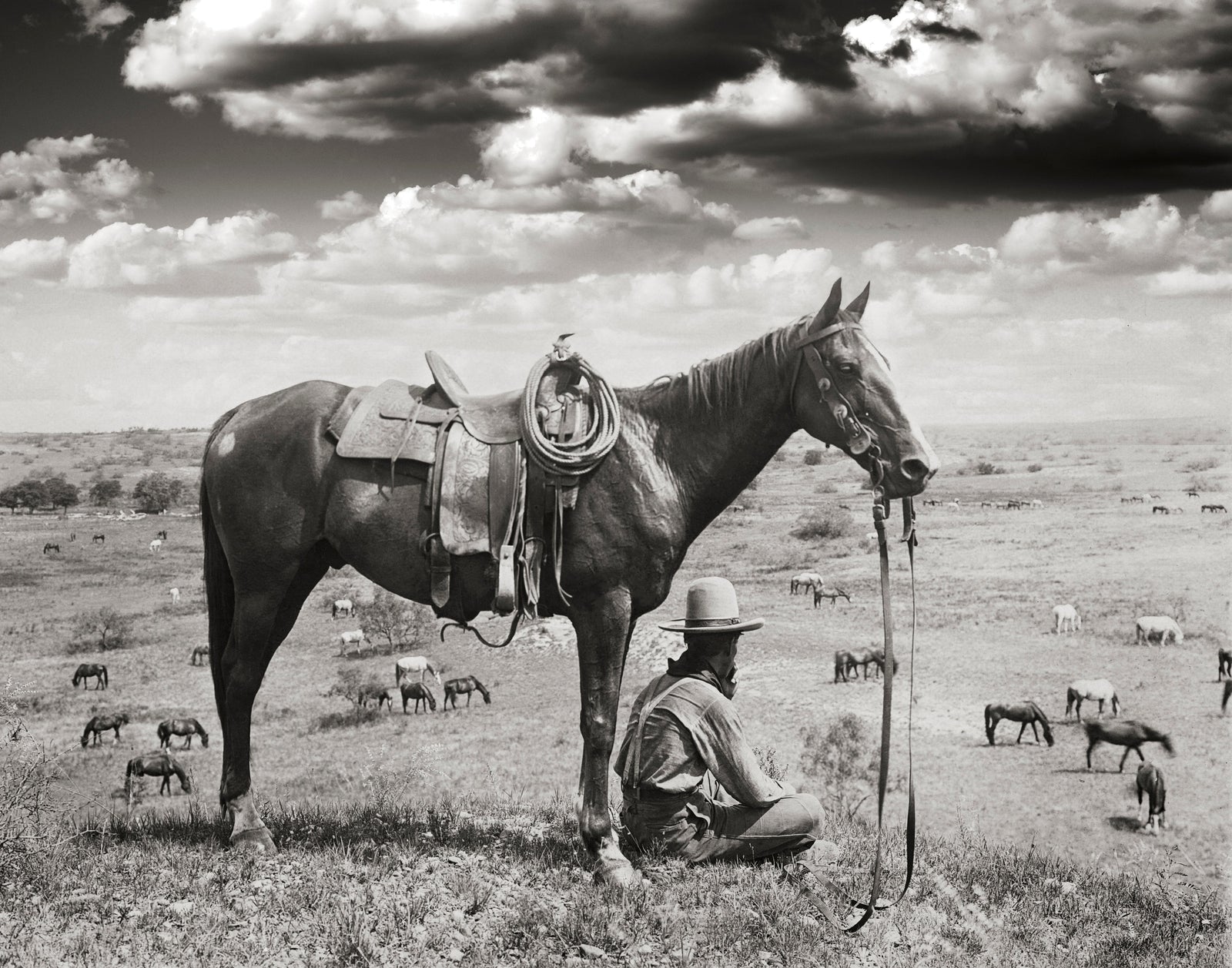
A cowboy on horseback overlooks the Dallas skyline in 1943—an image that seems to capture the Old West and modern America in a single frame. But the cowboy didn't disappear when the frontier closed. Discover how real working cowboys, rodeos, music and Hollywood carried the Old West into the 20th century.
Let customers speak for us
Gems
These short clips are gems. They are part of the history of music in America. Thank you for posting.
S. Kelley Chambers

Love the print and perfect decor for our n...
Love the print and perfect decor for our new apartment in Pittsburgh.
Chris P

5 stars review from Laura
5 stars review from Laura
Laura D

5 stars review from Geri
5 stars review from Geri
Geri L

5 stars review from Stephanie
5 stars review from Stephanie
Stephanie

5 stars review from Brookelynz
5 stars review from Brookelynz
Brookelynz
5 stars review from Deborah
5 stars review from Deborah
Deborah G

Spectacular!
Received as a gift and could not be happier with the quality of the print. Shipping container ensure this arrived in perfect condition.
John

5 stars review from Kayla
5 stars review from Kayla
Kayla G

5 stars review from Blondiee
5 stars review from Blondiee
Blondiee

5 stars review from April
5 stars review from April
April Y

5 stars review from Tracie
5 stars review from Tracie
Tracie C

Great quality and fast delivery!
Great quality and fast delivery!
Amanda C

5 stars review from Autumnrayne4
5 stars review from Autumnrayne4
Autumnrayne4

5 stars review from Traca
5 stars review from Traca
Traca B
