

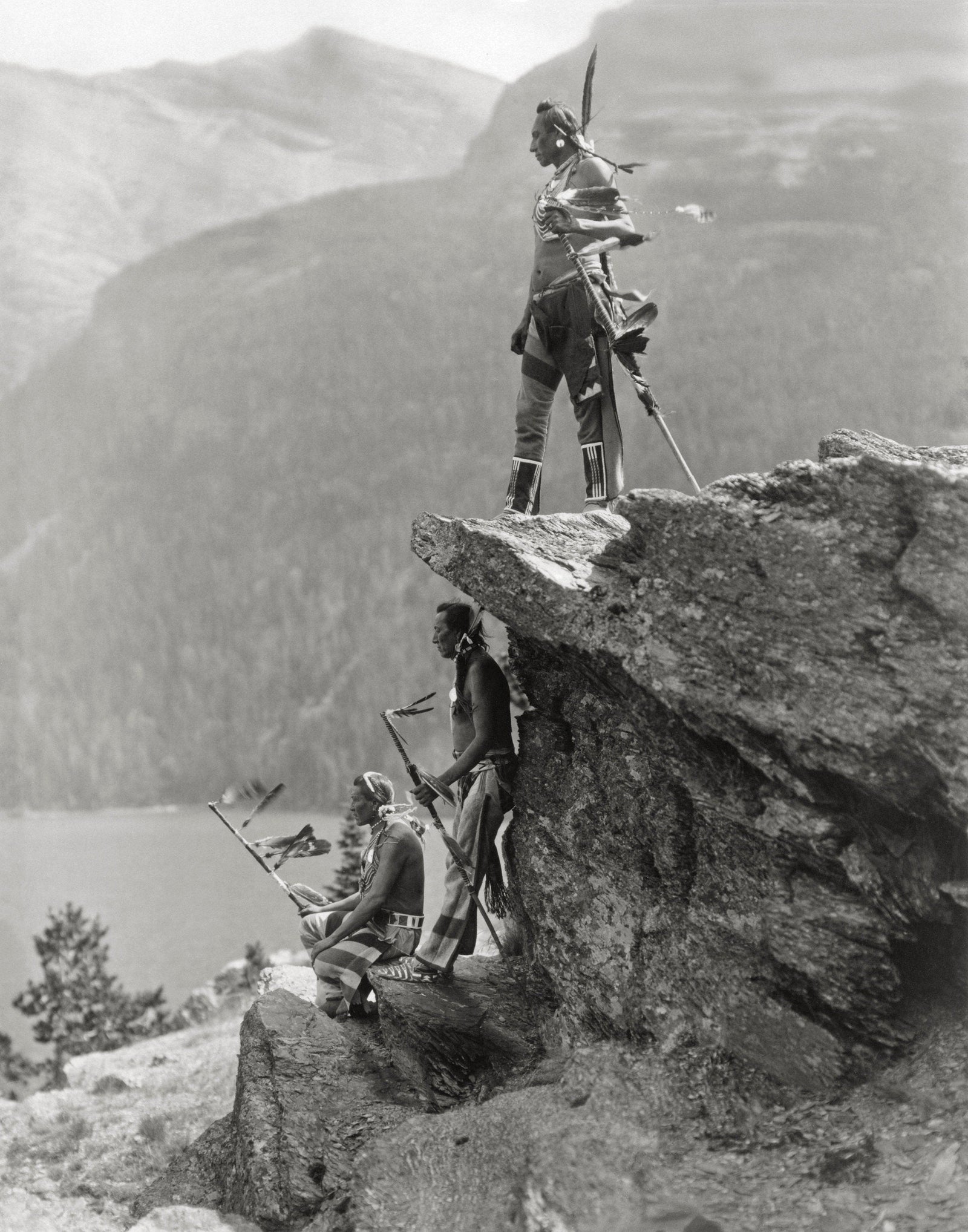

Roland Reed: The Photographer Who Documented the Vanishing Frontier
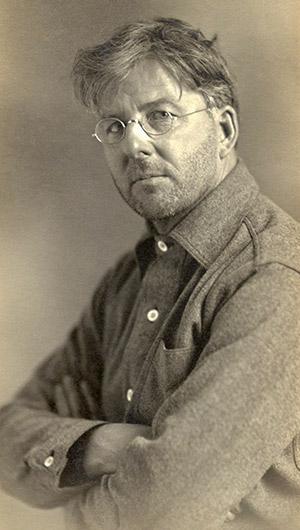
A Photographer of the American West
At the turn of the twentieth century, the American West was undergoing rapid transformation. Railroads had reached deep into territories once considered remote, settlers moved steadily across the plains, and Indigenous nations were being forced onto reservations under federal policy. In the midst of these changes, a handful of photographers attempted to document Native American life before it disappeared or was irrevocably altered by expansion and government control. Among them was Roland Reed, a photographer whose work sought to capture both the dignity and traditions of Native American communities during this turbulent era.
Roland Reed is not as widely known today as contemporaries such as Edward S. Curtis, yet his photographs stand among the most striking visual records of Native American life in the late nineteenth and early twentieth centuries. Reed’s images are notable for their careful composition, dramatic use of light, and respectful portrayal of his subjects. Rather than presenting Indigenous people as relics of the past, he photographed them as individuals—leaders, families, and communities maintaining cultural identity in the face of profound change.
Early Life and Artistic Ambition
Roland Reed was born in Wisconsin in 1864, during a period when the United States was still expanding westward. He grew up in an environment shaped by frontier mythology and growing fascination with the cultures of the American West. Photography was emerging as both an art form and a documentary tool, and Reed was drawn to its possibilities.
In his early career, Reed worked in portrait studios, developing technical skills in lighting and composition. Studio photography in the late nineteenth century required patience and precision. Long exposure times demanded careful staging, and photographers needed to understand both chemistry and optics to produce reliable prints.
Yet Reed’s ambitions extended beyond studio portraiture. Like many artists of his generation, he was captivated by the idea of the frontier and the cultures that existed there. By the 1890s, he began traveling west, determined to photograph Native American communities whose traditions he believed were rapidly disappearing.
Photographing Native American Life
Reed spent considerable time among several Native American nations, particularly in Montana and the northern plains. Many of his photographs depict members of the Blackfeet, Crow, and other tribes of the region. Unlike photographers who worked quickly or staged elaborate theatrical scenes, Reed often sought more natural compositions that emphasized landscape, clothing, and ceremonial elements.
His photographs frequently show individuals standing proudly in traditional attire against open landscapes. Feathered headdresses, decorated garments, and ceremonial objects appear prominently in many images. Reed understood that these visual details conveyed cultural identity and historical continuity.
At the same time, Reed’s work reflects the complicated attitudes of the era. Many photographers believed they were preserving a “vanishing race,” a phrase commonly used in the early twentieth century to describe Indigenous cultures under pressure from government assimilation policies. While this belief underestimated the resilience and survival of Native communities, it nevertheless motivated photographers like Reed to document traditions that might otherwise have gone unrecorded.
The Business of Western Photography
Producing photographs in the early twentieth century was expensive and technically demanding. Reed traveled with bulky cameras, glass plate negatives, and chemical supplies. Developing images required careful handling and often temporary darkroom setups in remote locations.
To finance his work, Reed sold prints and published photographic portfolios. Wealthy collectors and cultural institutions in the eastern United States showed growing interest in images of the American West. Reed marketed his photographs not only as documentary records but also as works of art suitable for display.
Some of his images were reproduced as photogravures, a printing process capable of producing rich tonal detail. These prints appealed to collectors who valued both artistic quality and historical subject matter. Reed’s photographs circulated among museums, universities, and private collections.
A Rivalry of Vision
Roland Reed’s work inevitably drew comparisons to that of Edward Curtis, whose massive project The North American Indian attempted to document dozens of Native American nations through photographs and written accounts. Curtis benefited from substantial financial backing and widespread publicity, including support from powerful patrons such as J. P. Morgan.
Reed, by contrast, worked with far fewer resources. His project was ambitious but struggled financially. Despite producing striking images, he lacked the financial infrastructure needed to sustain large-scale publication and promotion. As a result, Curtis’s name became far more widely known.
Yet many historians and photography scholars believe Reed’s images possess a distinctive immediacy. His portraits often feel less theatrical and more grounded in individual presence. The people he photographed appear calm, self-assured, and direct in their gaze toward the camera.
A Life on the Edge of Success
Throughout his career, Reed pursued the dream of publishing a comprehensive photographic series documenting Native American life. Like Curtis, he hoped to create a lasting visual archive that would preserve traditions, ceremonies, and portraits of Indigenous leaders.
Financial challenges, however, continually interfered with these plans. Reed struggled to secure sufficient investment for large publishing projects. While he produced numerous prints and smaller publications, the grand series he envisioned never fully materialized during his lifetime.
This lack of commercial success weighed heavily on him. The costs of travel, equipment, and printing were substantial, and the market for fine photographic portfolios was limited. Despite the artistic merit of his work, Reed never achieved the financial stability he hoped for.
Tragedy and Loss
In 1934, Roland Reed’s life ended in tragedy when he died by suicide. His death marked a quiet and somber conclusion to a career devoted to documenting cultures he believed were in danger of disappearing. At the time, much of his photographic work remained scattered or unpublished.
The loss was significant not only personally but historically. Reed had created a remarkable archive of images that captured Native American individuals and communities during a critical period of transition in the United States.
Rediscovery and Legacy
In the decades following his death, Reed’s photographs gradually received renewed attention. Historians, collectors, and museums began recognizing the artistic and documentary value of his work. Prints surfaced in archives and private collections, revealing the scope of his photographic project.
Today, Roland Reed’s images are appreciated for both their visual beauty and their historical importance. They provide insight into Native American life at a time when government policies attempted to suppress traditional practices and cultural identity.
Modern viewers also approach Reed’s photographs with greater awareness of historical context. While early twentieth-century photographers sometimes framed Indigenous cultures as disappearing, contemporary scholarship emphasizes resilience, adaptation, and survival. Reed’s images, when viewed within that broader understanding, become part of a complex record rather than a final chapter.
Photography as Cultural Memory
Roland Reed’s work demonstrates the power of photography as a form of cultural memory. Each portrait captures a moment when individuals stood before the camera wearing clothing, symbols, and expressions that carried deep meaning within their communities. The photographs preserve details that written descriptions alone could never convey.
Faces, textures, landscapes, and gestures remain visible more than a century later. Through these images, viewers can glimpse both the humanity of the individuals photographed and the historical forces shaping their lives.
Reed likely believed he was recording a disappearing world. Instead, he helped preserve a visual archive that continues to inform understanding of Native American history and identity.
A Photographer Worth Remembering
Although Roland Reed never achieved the fame of Edward Curtis during his lifetime, his work deserves a place among the most significant photographic efforts documenting Native American life in the early twentieth century. His portraits reveal careful artistry, patience, and a desire to represent his subjects with dignity.
Today, collectors and historians continue to rediscover Reed’s photographs, recognizing their importance not only as historical documents but as powerful works of art. His images remind viewers that the American West was never simply a landscape—it was a living cultural world shaped by the people who called it home.
More than a century after he set up his camera on the plains, Roland Reed’s photographs continue to speak quietly but powerfully across time, preserving faces and traditions that remain central to the history of the American West. See Reed's photographs.
Leave a comment
Comments will be approved before showing up.
Also in Time Capsule
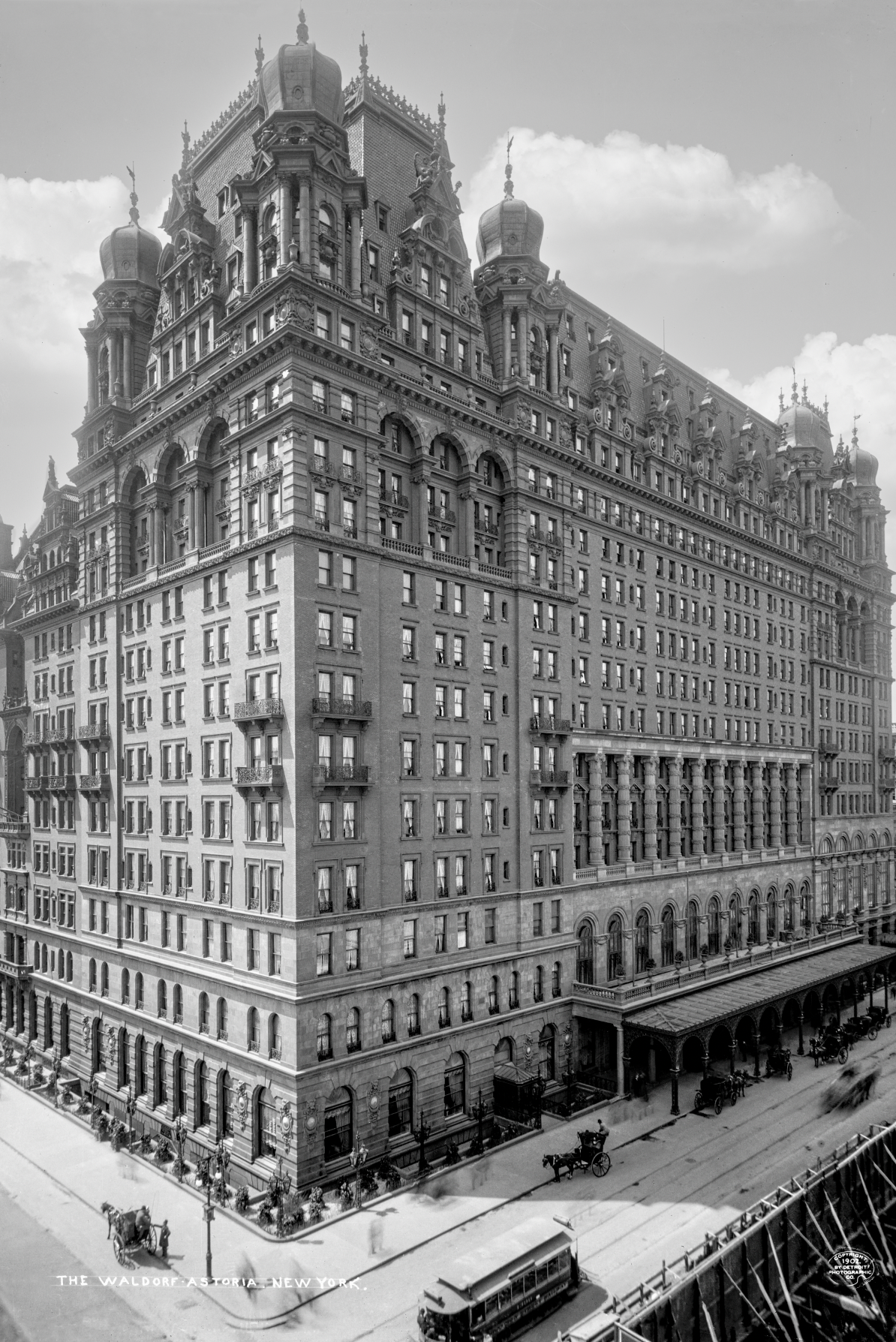

Six New York Landmarks That Changed the Manhattan Skyline
New York's skyline wasn't built overnight. Vintage photographs of Trinity Church, the Plaza, Waldorf-Astoria, Chrysler Building, Empire State Building and Rockefeller Center reveal how Manhattan grew from a city of church steeples and grand hotels into the skyscraper capital of the world.


The Old West Never Really Ended
A cowboy on horseback overlooks the Dallas skyline in 1943—an image that seems to capture the Old West and modern America in a single frame. But the cowboy didn't disappear when the frontier closed. Discover how real working cowboys, rodeos, music and Hollywood carried the Old West into the 20th century.
Let customers speak for us
Gems
These short clips are gems. They are part of the history of music in America. Thank you for posting.
S. Kelley Chambers

Love the print and perfect decor for our n...
Love the print and perfect decor for our new apartment in Pittsburgh.
Chris P

5 stars review from Laura
5 stars review from Laura
Laura D

5 stars review from Geri
5 stars review from Geri
Geri L

5 stars review from Stephanie
5 stars review from Stephanie
Stephanie

5 stars review from Brookelynz
5 stars review from Brookelynz
Brookelynz
5 stars review from Deborah
5 stars review from Deborah
Deborah G

Spectacular!
Received as a gift and could not be happier with the quality of the print. Shipping container ensure this arrived in perfect condition.
John

5 stars review from Kayla
5 stars review from Kayla
Kayla G

5 stars review from Blondiee
5 stars review from Blondiee
Blondiee

5 stars review from April
5 stars review from April
April Y

5 stars review from Tracie
5 stars review from Tracie
Tracie C

Great quality and fast delivery!
Great quality and fast delivery!
Amanda C

5 stars review from Autumnrayne4
5 stars review from Autumnrayne4
Autumnrayne4

5 stars review from Traca
5 stars review from Traca
Traca B
