


“Extra! Extra!” — The Story of America’s Newsies
The Rise of the Street Newspaper Seller
At the turn of the twentieth century, American cities pulsed with noise, smoke, and movement. Streetcars rattled along tracks, horse-drawn wagons competed with early automobiles, and crowds surged along sidewalks in neighborhoods packed with immigrants and workers. In the middle of this restless urban landscape stood one of the most recognizable figures of the era: the newsboy, or “newsie.”
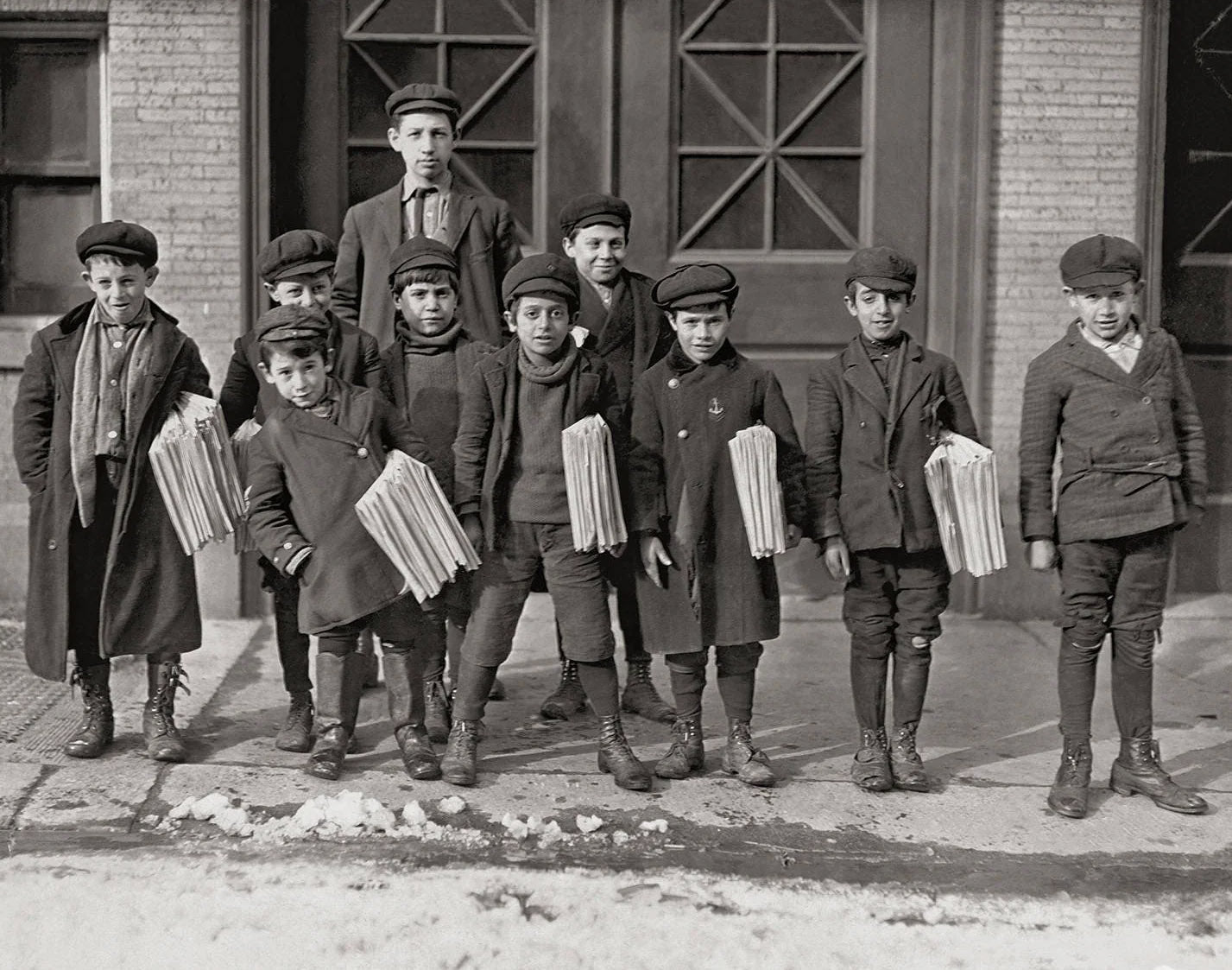
Newsies were children—sometimes as young as eight or nine—who sold newspapers on busy street corners, outside theaters, near train stations, and along crowded avenues. They called out headlines to passing pedestrians, hoping to catch the attention of commuters and office workers eager to learn the latest developments in politics, war, crime, or business. Their voices became part of the soundscape of American cities.
The profession emerged alongside the rapid expansion of mass-circulation newspapers during the late nineteenth century. Technological advances in printing allowed publishers to produce enormous numbers of papers each day. At the same time, urban populations were exploding. Newspapers needed a fast and flexible distribution system that could reach people across a sprawling city.
Children provided the answer.
Buying Papers to Sell
Unlike traditional employees, most newsies were independent vendors. They did not receive wages from newspaper companies. Instead, they purchased bundles of papers at a discounted rate and then sold them individually at a small profit.
For example, a newsboy might buy one hundred papers for fifty cents and sell them for a penny each. If he managed to sell every copy, he could make a small profit. If he failed to sell them, however, he absorbed the loss. Newspapers were often non-returnable.
This system shifted the financial risk from publishers to the children selling the papers. For newspaper companies, it was an efficient way to distribute massive numbers of copies without managing a large workforce. For the children, it offered an opportunity to earn money in a world where many families struggled to make ends meet.
The arrangement also meant that newsies had to develop sharp instincts for sales. They learned quickly how to read crowds, shout compelling headlines, and position themselves in high-traffic areas where people were likely to buy.
Life on the Streets
Most newsies came from poor or working-class families, particularly immigrant households in cities such as New York, Boston, Chicago, and Philadelphia. Many were the sons of Italian, Irish, Jewish, or Eastern European immigrants who had arrived in America seeking opportunity but often found themselves living in crowded tenements.
For these families, every penny mattered. A child selling newspapers could contribute to rent, food, or household expenses. Some boys attended school during the day and sold newspapers afterward. Others worked full-time on the streets.
The job required stamina and resilience. Newsies woke early to catch morning editions and often worked late into the evening selling afternoon or evening papers. They endured heat in summer and bitter cold in winter. Rainstorms could ruin unsold bundles of newspapers. Competition among newsboys for prime selling locations could be fierce.
Despite these hardships, newsies formed tight-knit communities. They shared tips about good street corners, warned one another about aggressive police officers, and sometimes pooled resources to buy larger bundles of papers.
The Sound of the City
Part of a newsie’s job involved shouting headlines in dramatic fashion. They called out phrases like “Extra! Extra! Read all about it!” or “Big fire downtown!” to draw attention. These shouted headlines often exaggerated or simplified the news inside the paper, but they served their purpose: grabbing the curiosity of passersby.
The cry of the newsboy became a defining sound of urban life. Early twentieth-century photographs and written accounts often describe streets filled with the voices of children calling out the latest developments.
Artists, writers, and photographers captured these scenes. Among the most famous was photographer Lewis Hine, who documented child labor across the United States in the early 1900s. His photographs of newsboys—sometimes barefoot, sometimes exhausted, often clutching stacks of newspapers nearly as large as themselves—became powerful images in the movement against child labor.
Hine’s work revealed the reality behind the romantic image of the street seller. Many newsies worked late at night, sometimes well past midnight, waiting outside theaters or bars for crowds to emerge. Others slept in cheap lodging houses or even on the streets.
The Newsboys’ Strike of 1899
One of the most famous chapters in newsie history occurred in New York City in 1899. That summer, two of the city’s largest newspapers, owned by powerful publishers Joseph Pulitzer and William Randolph Hearst, raised the wholesale price that newsboys had to pay for their bundles of papers.
The increase may have seemed small, but for boys already earning very little, it meant losing a significant portion of their income. In response, thousands of newsboys refused to sell the papers.
What followed became known as the Newsboys’ Strike of 1899. Organized largely by the children themselves, the strike spread across the city. Newsboys blocked distribution wagons, convinced other sellers to join the protest, and attracted widespread public attention.
For nearly two weeks, the strike disrupted newspaper circulation. Although the publishers initially resisted, public sympathy increasingly favored the young strikers. Eventually, a compromise was reached. While the wholesale price remained unchanged, the newspapers agreed to buy back unsold copies from the newsboys, reducing the risk of financial loss.
The strike became a symbol of youthful determination and labor activism. Decades later, it inspired books, films, and even a Broadway musical about the lives of newsies.
A Path to Independence
Despite the hardships, selling newspapers offered something that many other forms of child labor did not: a degree of independence. Newsies were technically self-employed. They chose where to sell, how loudly to shout, and how long to work.
For some boys, the job served as a stepping stone to other opportunities. Street vending taught negotiation, salesmanship, and persistence. A number of future businessmen and public figures reportedly began their careers as newsboys.
Yet independence came with risks. Without formal employment protections, newsies lacked consistent wages, safety standards, or legal oversight. If they were injured or robbed, they had little recourse.
Reform and Changing Attitudes
By the early twentieth century, attitudes toward child labor began to change. Progressive reformers argued that children belonged in schools rather than factories or on city streets late at night. Organizations advocating for labor reform gathered evidence showing how long hours of work interfered with education and health.
Photographs by Lewis Hine and others played an important role in shaping public opinion. Images of exhausted newsboys selling papers after midnight helped illustrate the human cost of child labor.
Gradually, states passed laws regulating the employment of children. These laws limited working hours and required school attendance. While newsboys often fell into gray areas of regulation because they were technically independent sellers rather than employees, the overall number of children working on the streets began to decline.
The Decline of the Newsie
By the 1920s and 1930s, the classic image of the newsboy began to fade. Newspapers developed new distribution methods, including home delivery routes handled by slightly older teenagers. Corner newsstands became more common, reducing the need for children to shout headlines on busy streets.
Urban life also changed. Increased automobile traffic made street vending more dangerous. Labor laws limited child employment. Families gained more stable incomes as the economy evolved.
While newspaper delivery continued as a teenage job for many decades, the iconic newsie—the small boy in a cap standing on a corner shouting headlines—gradually disappeared from city streets.
Newsies in Memory and Culture
Even after the profession faded, the image of the newsboy remained deeply embedded in American culture. Illustrations, films, and stories often portrayed newsies as scrappy, optimistic characters navigating the chaos of city life.
Their caps, suspenders, and bundles of newspapers became visual shorthand for a particular moment in American history—the bustling, immigrant-filled cities of the early twentieth century.
In reality, their lives were often difficult and uncertain. Yet they played an important role in the distribution of information at a time when newspapers were the primary source of daily news for millions of people.
A Small Figure in a Big Story
Newsies occupied a curious position in the history of American journalism. They were not reporters or editors. They did not write the headlines they shouted. Yet they were essential to the newspaper industry’s success. Without them, papers might never have reached the vast urban audiences that made mass journalism profitable.
Standing on crowded sidewalks with stacks of freshly printed pages, newsboys formed the final link between the printing press and the reader. Their voices carried the news of wars, elections, scandals, and triumphs through the streets of America’s growing cities.
Today, their cries have faded from the urban soundscape. Newspapers are delivered by trucks, accessed online, or read on glowing screens. But for a brief and vibrant period around the turn of the twentieth century, the news traveled through the voices of children—calling out headlines to a passing crowd and hoping someone would stop long enough to buy a paper. See photos of Newsies.
Leave a comment
Comments will be approved before showing up.
Also in Time Capsule

Six New York Landmarks That Changed the Manhattan Skyline
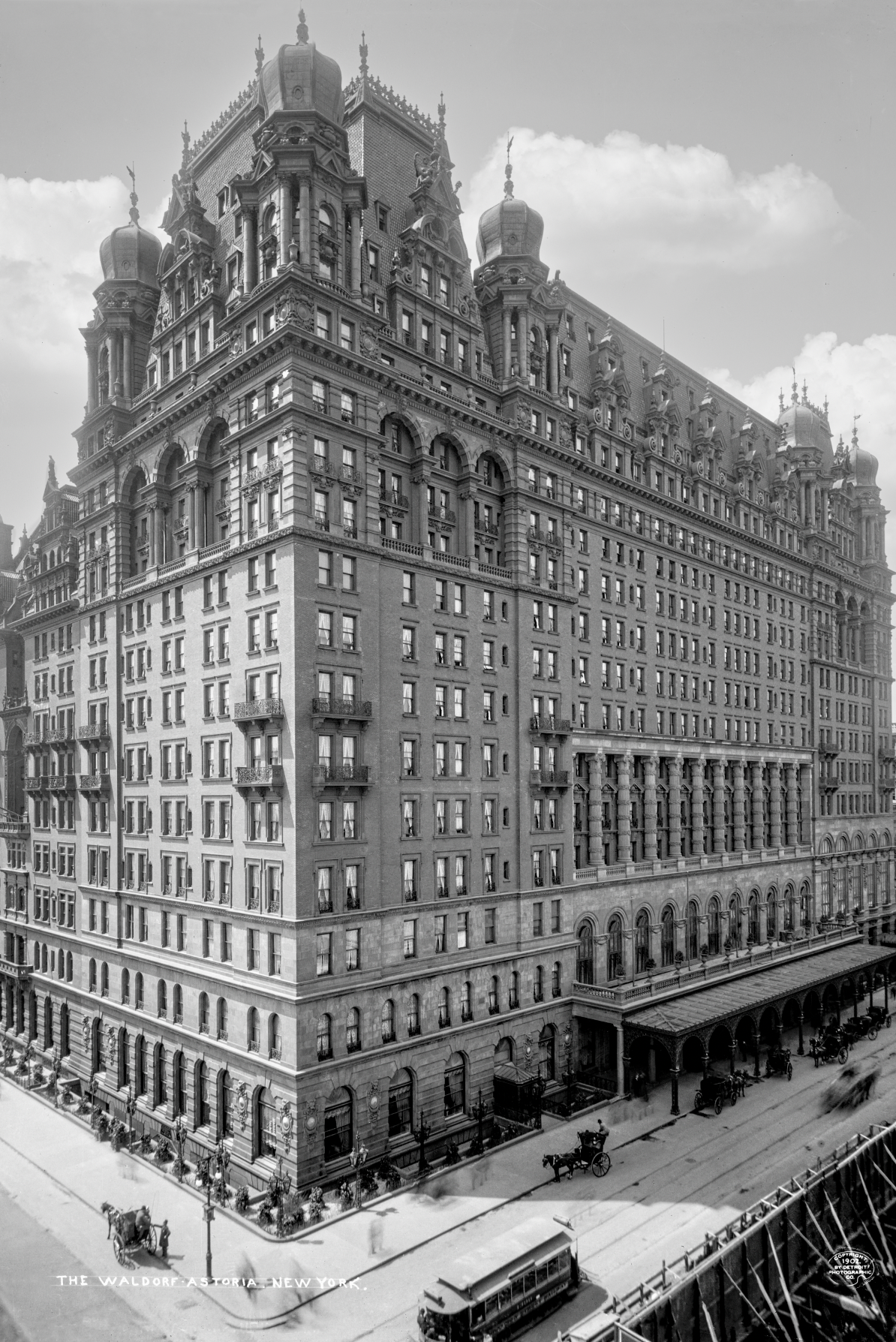
New York's skyline wasn't built overnight. Vintage photographs of Trinity Church, the Plaza, Waldorf-Astoria, Chrysler Building, Empire State Building and Rockefeller Center reveal how Manhattan grew from a city of church steeples and grand hotels into the skyscraper capital of the world.


The Old West Never Really Ended
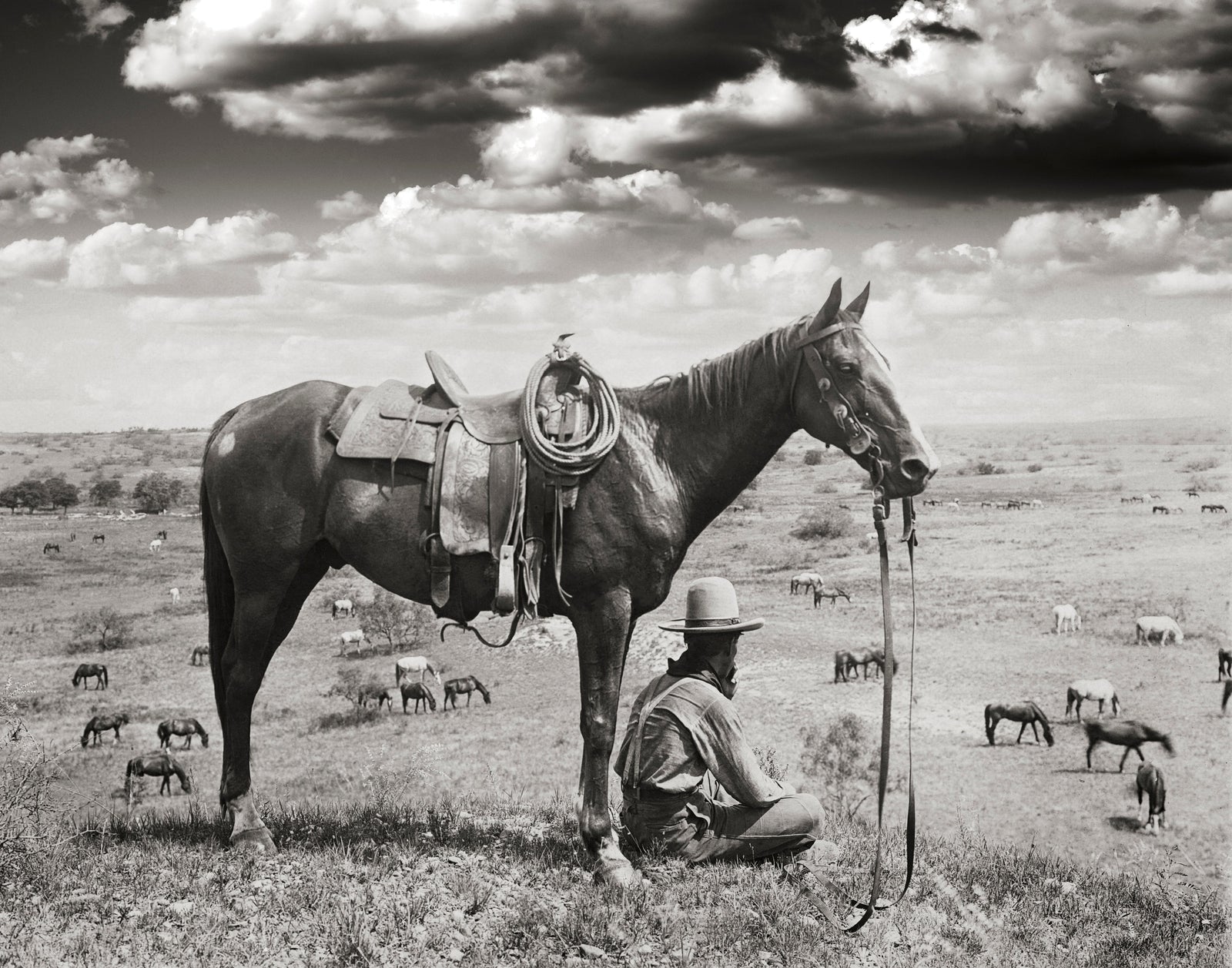
A cowboy on horseback overlooks the Dallas skyline in 1943—an image that seems to capture the Old West and modern America in a single frame. But the cowboy didn't disappear when the frontier closed. Discover how real working cowboys, rodeos, music and Hollywood carried the Old West into the 20th century.
Let customers speak for us
Gems
These short clips are gems. They are part of the history of music in America. Thank you for posting.
S. Kelley Chambers

Love the print and perfect decor for our n...
Love the print and perfect decor for our new apartment in Pittsburgh.
Chris P

5 stars review from Laura
5 stars review from Laura
Laura D

5 stars review from Geri
5 stars review from Geri
Geri L

5 stars review from Stephanie
5 stars review from Stephanie
Stephanie

5 stars review from Brookelynz
5 stars review from Brookelynz
Brookelynz
5 stars review from Deborah
5 stars review from Deborah
Deborah G

Spectacular!
Received as a gift and could not be happier with the quality of the print. Shipping container ensure this arrived in perfect condition.
John

5 stars review from Kayla
5 stars review from Kayla
Kayla G

5 stars review from Blondiee
5 stars review from Blondiee
Blondiee

5 stars review from April
5 stars review from April
April Y

5 stars review from Tracie
5 stars review from Tracie
Tracie C

Great quality and fast delivery!
Great quality and fast delivery!
Amanda C

5 stars review from Autumnrayne4
5 stars review from Autumnrayne4
Autumnrayne4

5 stars review from Traca
5 stars review from Traca
Traca B
