

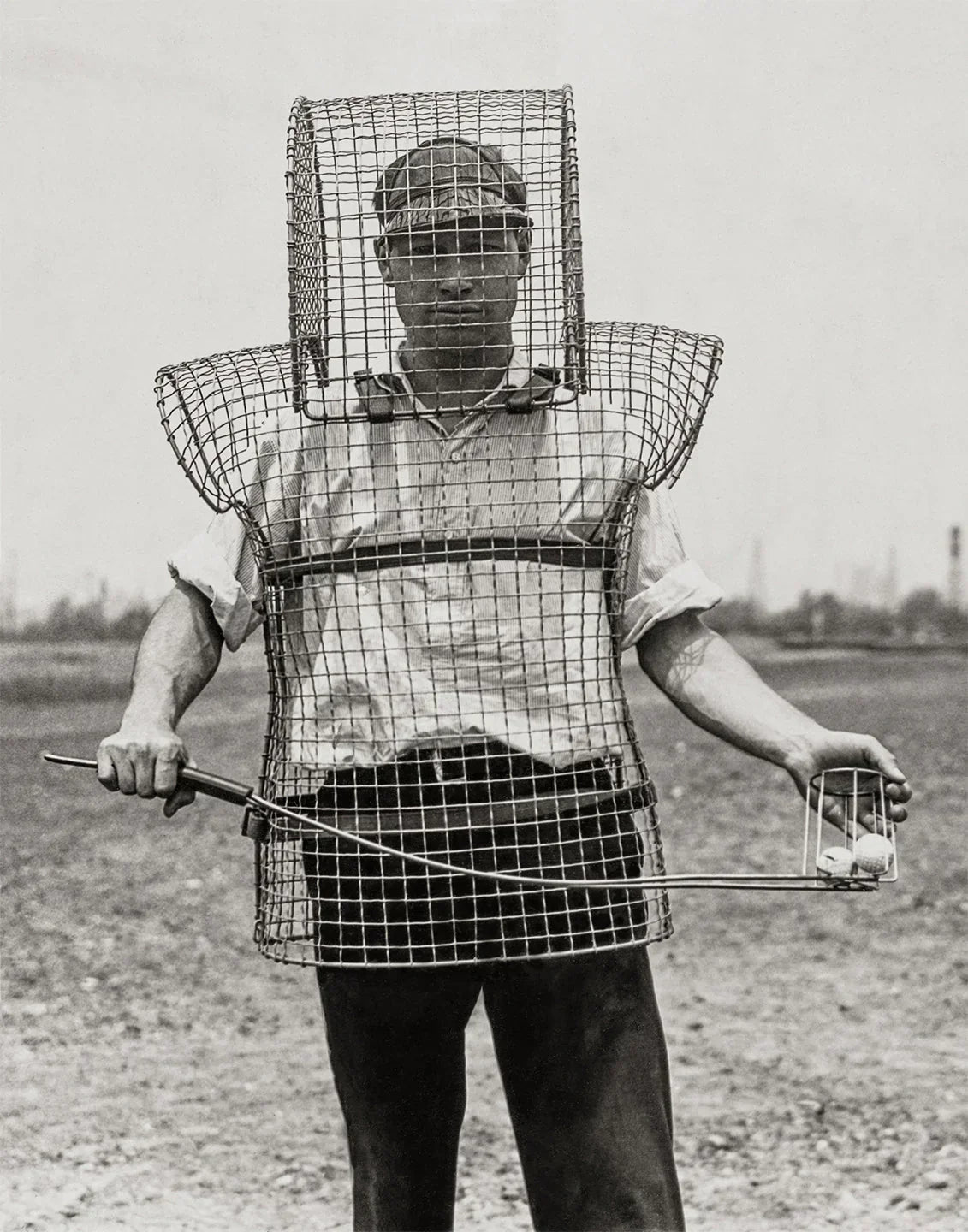

From Links to Legends: The Evolution of Golf
Origins on the Scottish Links
Modern golf traces its most widely accepted origins to Scotland in the 15th century, though stick-and-ball games existed across Europe and Asia long before. By 1457, the Scottish Parliament under James II of Scotland had banned golf because it distracted men from military archery practice. That ban alone tells us something important: the game was already popular.
The windswept coastal “links” land of eastern Scotland—sandy soil between farmland and sea—proved ideal for early golf. The natural dunes shaped fairways. Rabbits cropped the grass. Golf developed as a walking game over uneven terrain, played with wooden clubs and hand-sewn leather balls stuffed with feathers, known as “featheries.”

The spiritual home of golf became St Andrews Links. By the 18th century, St Andrews had established rules that influenced the structure of the modern game, including the standard 18-hole round, which evolved from combining shorter loops of play into a full circuit.
Equipment and Early Evolution
Early golfers used long-nosed wooden clubs and handmade balls. In 1848, the introduction of the “gutta-percha” ball—molded from tree sap—revolutionized accessibility. It was cheaper and more durable than featheries, opening the game to more players.
The late 19th century saw another leap forward: the rubber-core “Haskell” ball dramatically increased distance and consistency. Around the same time, hickory shafts replaced earlier materials, and eventually steel shafts—legalized in the 1920s—reshaped the mechanics of the swing.

Each technological shift altered the way courses were designed. As balls flew farther, bunkers moved, hazards deepened, and layouts stretched.
What Golfers Wore
In its early centuries, golfers wore everyday clothing—heavy wool coats, waistcoats, breeches, stockings, and buckled shoes. By the late 19th and early 20th centuries, a distinct golf style emerged. Men wore tweed jackets, plus-fours (baggy knickers extending four inches below the knee), long socks, and flat caps. The look was formal but functional for cool Scottish weather.
By the 1920s and 1930s, professional golfers such as Bobby Jones popularized a polished yet sporty aesthetic—tailored trousers, collared shirts, and knitwear. Golf fashion reflected class identity. It was a gentleman’s sport, and clothing signaled belonging.
In the postwar era, synthetic fabrics, short-sleeve polos, and lightweight slacks became standard. Today, performance fabrics dominate—moisture-wicking materials, spiked athletic shoes, and stretch garments designed for flexibility. While tradition remains in private clubs with strict dress codes, modern golf fashion has become global, branded, and commercial.
The Rise of Organized Golf
The 18th and 19th centuries saw the formation of governing bodies that standardized rules. The The Royal and Ancient Golf Club of St Andrews became one of the sport’s primary rule-making authorities. In the United States, the United States Golf Association was established in 1894 to unify American competition.
Professional tournaments grew in stature during the early 20th century. The Open Championship, first played in 1860, became golf’s oldest major. In America, events like the U.S. Open and later the Masters Tournament defined competitive prestige.
Influential Figures Who Shaped the Game
Few figures influenced golf’s early American identity more than Bobby Jones, an amateur who achieved the Grand Slam in 1930. He later co-founded Augusta National Golf Club, home of the Masters.
In the mid-20th century, Ben Hogan and Sam Snead embodied precision and consistency. But it was Arnold Palmer who democratized the sport in the television era. His charisma attracted working- and middle-class fans.
Jack Nicklaus elevated competitive standards with 18 major championships, while Tiger Woods transformed the game globally beginning in the late 1990s. Woods broke racial barriers, expanded television audiences, and reshaped athletic expectations in golf.
Women in Golf
Women have played golf since at least the 16th century. Mary, Queen of Scots is often cited as an early female golfer. Organized women’s golf gained momentum in the late 19th century.

The formation of the Ladies Professional Golf Association in 1950 professionalized the women’s game. Pioneers like Babe Zaharias and later champions such as Annika Sorenstam elevated competition and visibility.
For much of golf’s history, women faced exclusion from private clubs and limited tournament access. That has changed significantly, though disparities remain in prize money and media coverage.
The Architecture of Golf Courses
A traditional golf course consists of 18 holes, each with a teeing ground, fairway, rough, hazards, and a putting green. Courses are rated by “par,” the expected number of strokes for a skilled golfer.
Design evolved alongside equipment. Early Scottish links followed natural terrain. Later designers like Alister MacKenzie emphasized strategic bunkering and visual deception. American courses in the 20th century incorporated water hazards, tree-lined fairways, and manicured landscaping.
Courses today range from municipal public layouts to exclusive private clubs. Environmental concerns now influence design, with water usage and ecological sustainability shaping modern construction.
The Role of the Caddie
Caddies have been integral to golf since its early days. Originally young local boys carrying clubs for modest pay, caddies evolved into strategic partners. They calculate yardage, advise on club selection, read greens, and manage course strategy.
In professional golf, elite caddies are highly compensated and deeply involved in tournament success. The partnership between player and caddie can determine outcomes. At recreational levels, the role remains part guidance, part tradition.
Historically, caddying also offered economic opportunity. In the United States, many Black caddies in the early and mid-20th century became highly skilled players themselves, though barred from elite competition.
Miniature Golf and Popular Culture
Golf expanded beyond traditional courses in the early 20th century with the rise of miniature golf. During the 1920s boom, rooftop mini-golf courses appeared in cities. The Great Depression made miniature golf affordable entertainment.
Today, mini golf blends whimsy and competition—windmills, pirate ships, neon indoor layouts. It introduced generations to the game’s mechanics without the expense or formality of full-length courses.
Golf Today
Modern golf is global. Professional tours span continents. Technology tracks swing speed, ball spin, and launch angle. Courses host corporate outings and televised majors drawing millions of viewers.
At the same time, the sport wrestles with accessibility and environmental impact. Golf requires land, water, and maintenance. Debates continue about sustainability and inclusion.
What has changed most is not the core act—hitting a ball toward a distant hole—but who plays and how they play. Golf is no longer exclusively aristocratic or male. Public courses, youth programs, and global stars have broadened participation.
Yet the walk remains. The quiet between shots remains. The ritual of tee, fairway, green remains. From windswept Scottish dunes to manicured American clubs and neon-lit mini-golf parks, golf has evolved in equipment, fashion, and culture—but its central challenge endures: control, patience, and the pursuit of precision across open ground.
Leave a comment
Comments will be approved before showing up.
Also in Time Capsule
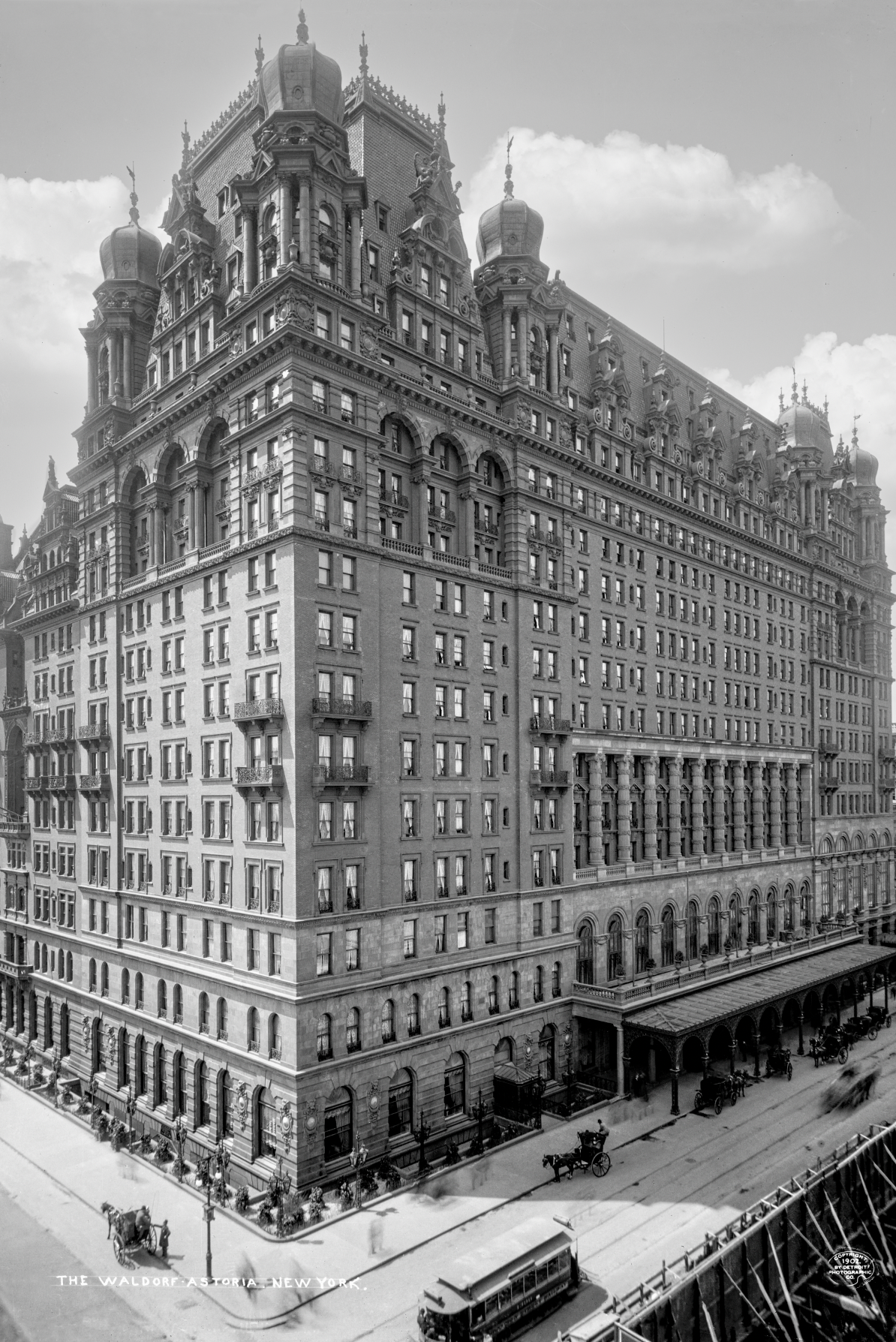

Six New York Landmarks That Changed the Manhattan Skyline
New York's skyline wasn't built overnight. Vintage photographs of Trinity Church, the Plaza, Waldorf-Astoria, Chrysler Building, Empire State Building and Rockefeller Center reveal how Manhattan grew from a city of church steeples and grand hotels into the skyscraper capital of the world.

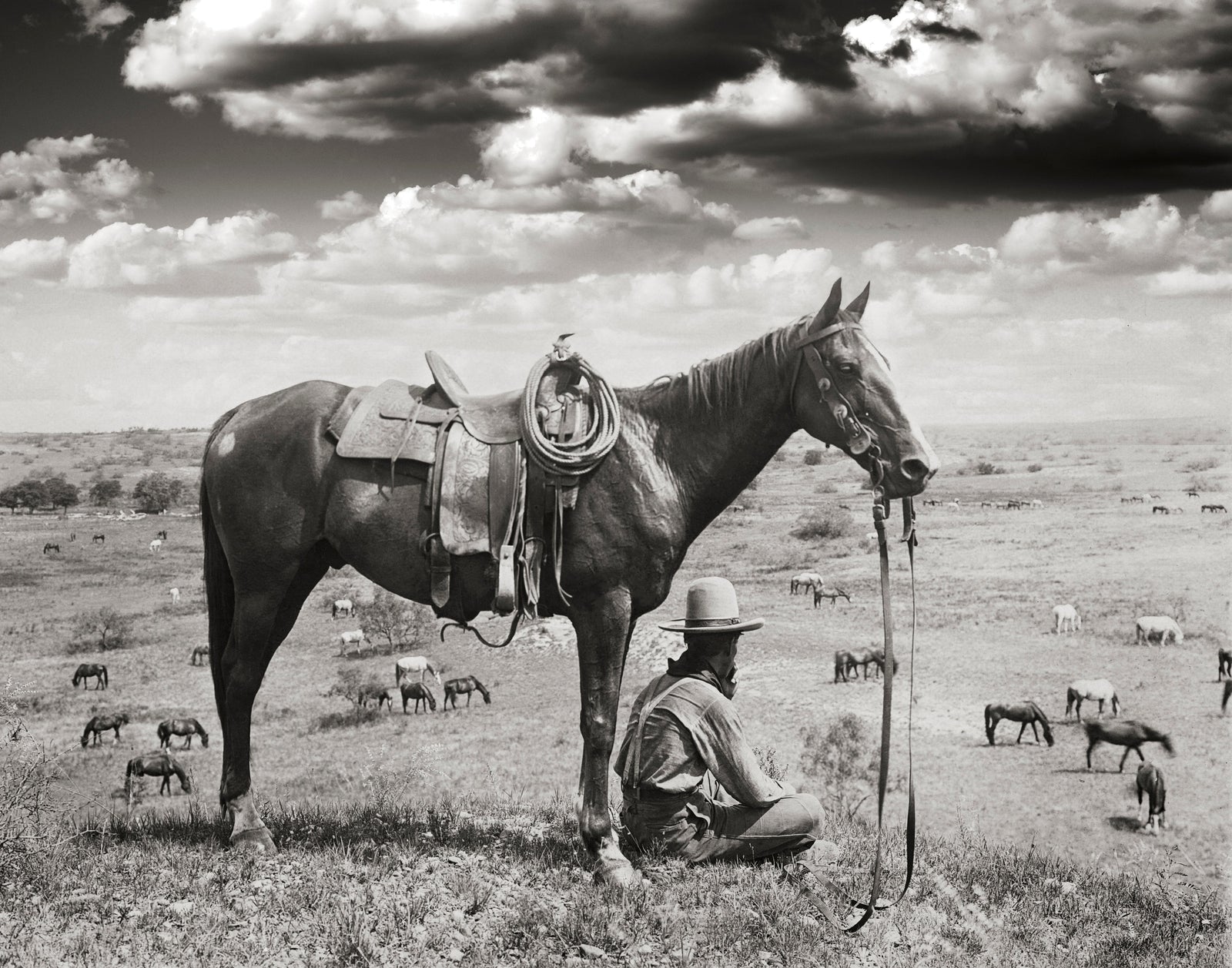

The Old West Never Really Ended
A cowboy on horseback overlooks the Dallas skyline in 1943—an image that seems to capture the Old West and modern America in a single frame. But the cowboy didn't disappear when the frontier closed. Discover how real working cowboys, rodeos, music and Hollywood carried the Old West into the 20th century.
Let customers speak for us
Gems
These short clips are gems. They are part of the history of music in America. Thank you for posting.
S. Kelley Chambers

Love the print and perfect decor for our n...
Love the print and perfect decor for our new apartment in Pittsburgh.
Chris P

5 stars review from Laura
5 stars review from Laura
Laura D

5 stars review from Geri
5 stars review from Geri
Geri L

5 stars review from Stephanie
5 stars review from Stephanie
Stephanie

5 stars review from Brookelynz
5 stars review from Brookelynz
Brookelynz
5 stars review from Deborah
5 stars review from Deborah
Deborah G

Spectacular!
Received as a gift and could not be happier with the quality of the print. Shipping container ensure this arrived in perfect condition.
John

5 stars review from Kayla
5 stars review from Kayla
Kayla G

5 stars review from Blondiee
5 stars review from Blondiee
Blondiee

5 stars review from April
5 stars review from April
April Y

5 stars review from Tracie
5 stars review from Tracie
Tracie C

Great quality and fast delivery!
Great quality and fast delivery!
Amanda C

5 stars review from Autumnrayne4
5 stars review from Autumnrayne4
Autumnrayne4

5 stars review from Traca
5 stars review from Traca
Traca B
