


Russell Lee: Famous Photos Life of the FSA Photographer
Russell Lee: The Photographer Who Documented Everyday America

Russell Lee (1903–1986) was an American documentary photographer best known for his remarkable photographs of everyday life during the Great Depression. As a photographer for the Farm Security Administration (FSA), Lee traveled across the United States documenting farmers, workers, families, small towns and rapidly changing American communities.
Working alongside photographers such as Dorothea Lange, Walker Evans, Arthur Rothstein and Gordon Parks, Lee helped create one of the most important photographic records of twentieth-century America.
Today, Russell Lee's photographs offer something extraordinary: a chance to look closely at how ordinary Americans lived, worked and spent their leisure time during the 1930s and early 1940s.
Russell Lee's Early Life
Russell Werner Lee was born July 21, 1903, in Ottawa, Illinois, into a financially comfortable family. His childhood was marked by tragedy, however. His parents divorced when he was young, and his mother died when he was ten.
Lee attended Culver Military Academy in Indiana and later Lehigh University in Pennsylvania, where he earned a degree in chemical engineering.
Photography wasn't his original career.
In 1927, Lee married artist Doris Emrick, later known as the painter Doris Lee. Through her and the artistic communities they encountered, Lee became increasingly interested in art. He studied painting and spent time in the artistic community of Woodstock, New York.
Then, in 1935, Lee bought a camera, initially intending to use photographs as references for his artwork. Before long, the camera replaced the paintbrush.
Russell Lee and the Farm Security Administration
In 1936, Lee joined the photographic project headed by Roy Stryker, initially part of the Resettlement Administration and later the Farm Security Administration (FSA).
The photographers were sent throughout the country to document rural poverty and the effects of the Great Depression, as well as government programs intended to help struggling Americans. Lee became one of the project's most prolific photographers.
Between 1936 and 1942, he photographed in 29 states, often living out of his automobile as he traveled America's highways and back roads.
Of approximately 63,000 prints in the Library of Congress FSA collection, roughly 19,000 were made by Russell Lee—more than twice as many as any other FSA photographer.
Photographing Everyday America
Lee was interested in more than poverty.
His camera recorded people working, eating, worshipping, dancing, traveling, shopping, playing and simply spending time together.
He photographed houses and kitchens, gas stations and storefronts, churches and theaters, farms and factories.
His photographs frequently contain small details that become fascinating decades later: signs in shop windows, automobiles parked along a street, advertisements painted on buildings, clothing, furniture and the expressions of people who happened to be standing nearby.
A photograph Lee made in Waco, Texas, in 1939, for example, captured parked automobiles, the Brazos Fish Market, Coca-Cola and beer advertisements, and groups of people gathered along the street.

Russell Lee's Photographs of African American Life
Some of Lee's most compelling photographs document African American communities during segregation.
In Port Barre, Louisiana, in 1938, Lee photographed a group of African American railroad workers. Rather than concentrating exclusively on machinery or the railroad itself, Lee turned his camera toward the men whose labor kept it operating.

Lee also documented African American religious life. In Memphis in 1938, he photographed a man seated beside a small cart associated with Peterson Baptist Church bearing the words "God is Good To Me."
The image is typical of Lee's ability to recognize the historical importance of seemingly ordinary moments.
Russell Lee's South Side Chicago Photographs
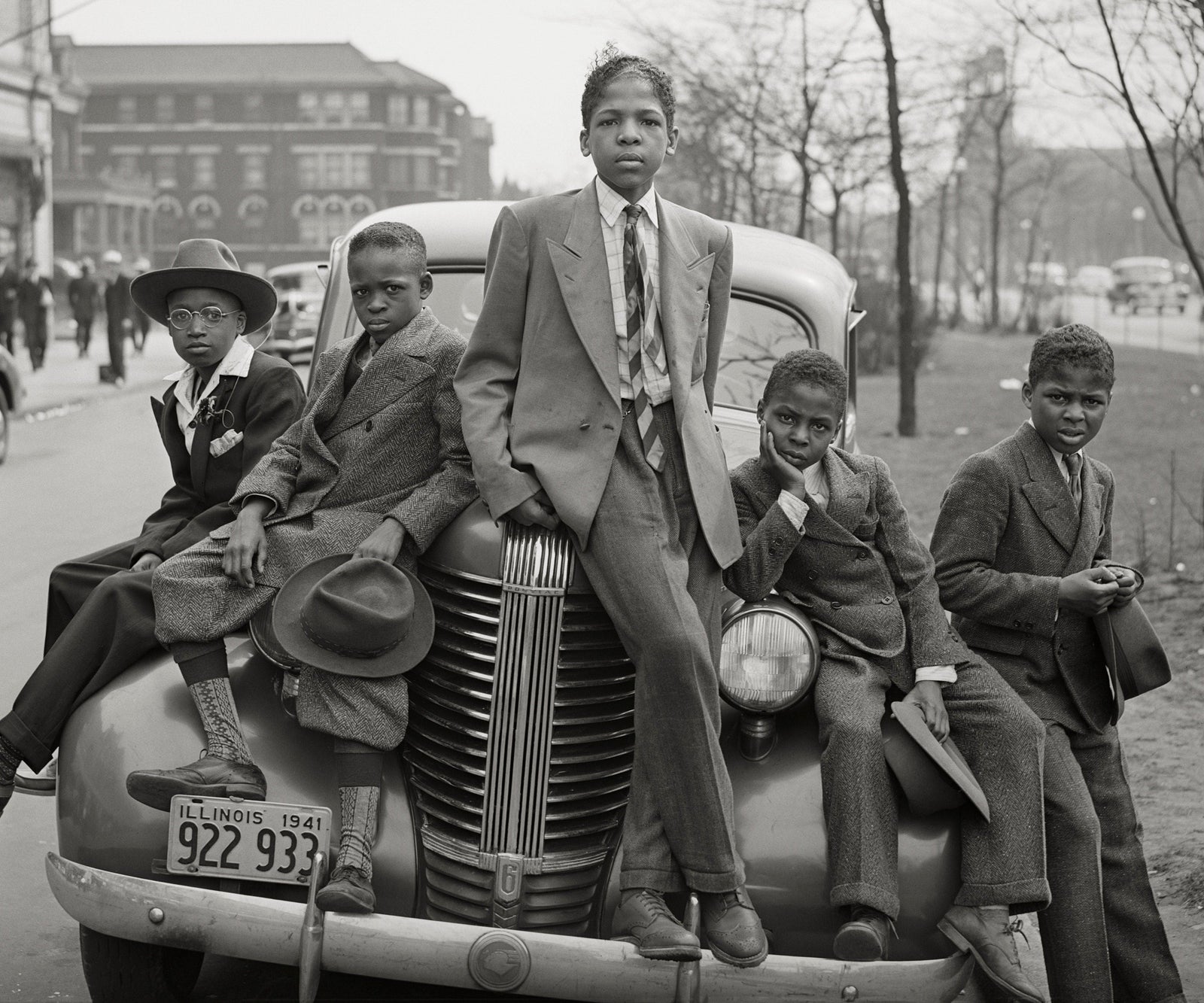
In 1941, Lee created an especially rich photographic record of Chicago's South Side and its African American community.
His photographs show a thriving community—churches, theaters, recreation, nightlife and people dressed for special occasions.
One of the most engaging photographs shows five boys sitting on an automobile on Easter morning in 1941, dressed in their Sunday clothes.

Another photograph takes us inside a South Side roller-skating rink on a Saturday night.
Young men in suits and ties and women in dresses and skirts circle the rink. Couples hold hands as they skate.

Saturday night roller skating on Chicago's South Side, photographed by Russell Lee in 1941.
Lee also photographed the famous Regal Theater, one of the great centers of African American entertainment in Chicago.
Opened in 1928, the Regal hosted films and live performances and became an important part of Black cultural life on the South Side.

The Regal Theater on Chicago's South Side, photographed by Russell Lee in 1941.
Together, Lee's Chicago photographs are important because they show something that Depression-era photography can sometimes overlook: ordinary people enjoying themselves and living their lives despite the difficulties and discrimination of the period.
Russell Lee and Segregation in America
Lee did not avoid the realities of racial segregation.
One of his most famous photographs, made in Oklahoma City in 1939, shows a young Black man drinking from a water cooler marked "Colored."
The photograph has become one of the widely reproduced visual records of Jim Crow segregation.
Lee also photographed people waiting at an Oklahoma City streetcar terminal that same year.

People waiting at a streetcar terminal in Oklahoma City, photographed by Russell Lee in 1939.
These photographs remind us that Lee's enormous body of work wasn't simply a record of the Great Depression. It also documented the racial divisions that were embedded in everyday American life.
Russell Lee Photographs the American Southwest
Lee traveled extensively through Texas, Arizona and New Mexico, creating a fascinating record of the American Southwest just before World War II. He had a particular connection to Texas and eventually made the state his home.
In Edcouch, Texas, in 1939, Lee photographed a small gas station and its attendant.

Gas station in Edcouch, Texas, photographed by Russell Lee in 1939.
A year later, Lee photographed Main Street in Bisbee, Arizona, then a bustling copper-mining community.
He also photographed Phoenix, including an unusual street scene featuring the city's whimsical cactus-shaped streetlights.

A cactus-shaped streetlight along a Phoenix, Arizona street, photographed by Russell Lee in 1940.
Photographs like these are valuable not only as works of documentary photography but as records of places that have changed dramatically since Lee visited them.
Pie Town, New Mexico
Among Lee's most celebrated bodies of work are his photographs of Pie Town, New Mexico, made in 1940.
The remote farming community was populated in part by homesteaders trying to establish new lives under difficult conditions.
Lee photographed residents working their farms, gathering for community events, sharing meals and going about their everyday routines.
Some of his Pie Town photographs were made on color transparency film, producing striking color images of rural America at a time we often imagine exclusively in black and white.
These photographs demonstrate one of Lee's greatest strengths. His subjects were not presented merely as examples of rural hardship. They appear as individuals with homes, families, friendships and communities.
Russell Lee's Personal Life
Lee's first marriage to Doris ended in divorce in 1938. The following year he married Jean Smith, a journalist from Dallas who became an important companion in his work as well as his personal life.
Jean frequently traveled with Lee. She helped prepare captions and wrote descriptions of some of the people and communities they encountered. The couple eventually settled in Austin, Texas.
World War II
World War II brought the FSA photography project to an end, but Lee continued working as a photographer.
During the war he served with the Air Transport Command, traveling extensively and photographing approaches to airfields used by American and Allied aircraft.
The photographs had a practical purpose: pilots could study the images before approaching unfamiliar airfields.
Lee traveled an extraordinary distance during his wartime work and received the Air Medal for his service.
Back in the United States, his camera also recorded the transformation taking place on the home front.
In Butte, Montana, in 1942, Lee photographed schoolchildren standing atop a pile of collected scrap metal and raising their fingers in a "V for Victory."

Butte Montana schoolchildren scrap drive 1942 Russell Lee photograph
Russell Lee's Coal Miner Photographs
After the war, Lee undertook another major documentary assignment.
In 1946 and 1947, he photographed American coal-mining communities for the U.S. Department of the Interior as part of an extensive examination of miners' health and living conditions.
He produced more than 4,000 photographs, documenting not only the mines and miners but their houses, families and communities.
The resulting collection became another significant photographic record of American working life.
Teaching Photography in Texas
Lee continued taking photographs after settling in Austin, accepting commercial and documentary assignments and photographing Texas life.
In the 1960s, another chapter of his career began when the University of Texas at Austin invited him to help develop its photography program.
Lee taught photography there from 1965 until 1973, passing his experience on to a new generation of photographers.
Russell Lee died on August 28, 1986, at the age of 83.
Russell Lee's Legacy
Russell Lee left behind one of the largest and most revealing photographic records of twentieth-century America.
The Library of Congress holds approximately 19,000 of his prints in its Farm Security Administration collection alone. Yet numbers don't explain why his work remains so compelling.
Lee photographed hardship, poverty and discrimination, but he also photographed friendship, work, faith, childhood, recreation and humor.
A gas station mattered.
A roller-skating rink mattered.
Children playing on a sidewalk mattered.
Workers standing together mattered.
A theater marquee, an old automobile, a shop window or a group of boys dressed for Easter could all tell part of America's story. That may be Russell Lee's greatest legacy.
His photographs remind us that history isn't made only by famous people and major events. It is also found in the everyday lives of ordinary people.
Explore Russell Lee Photography
Russell Lee's photographs preserve an extraordinary record of American life during the Great Depression and the years surrounding World War II.
HistoricalPix offers reproduction prints of selected Russell Lee photographs, professionally printed on luster photographic paper and available in multiple sizes.
Whether you're interested in African American history, the Great Depression, historic American cities, vintage automobiles or twentieth-century documentary photography, Lee's enormous body of work provides a fascinating window into America's past.
Leave a comment
Comments will be approved before showing up.
Also in Time Capsule

Six New York Landmarks That Changed the Manhattan Skyline
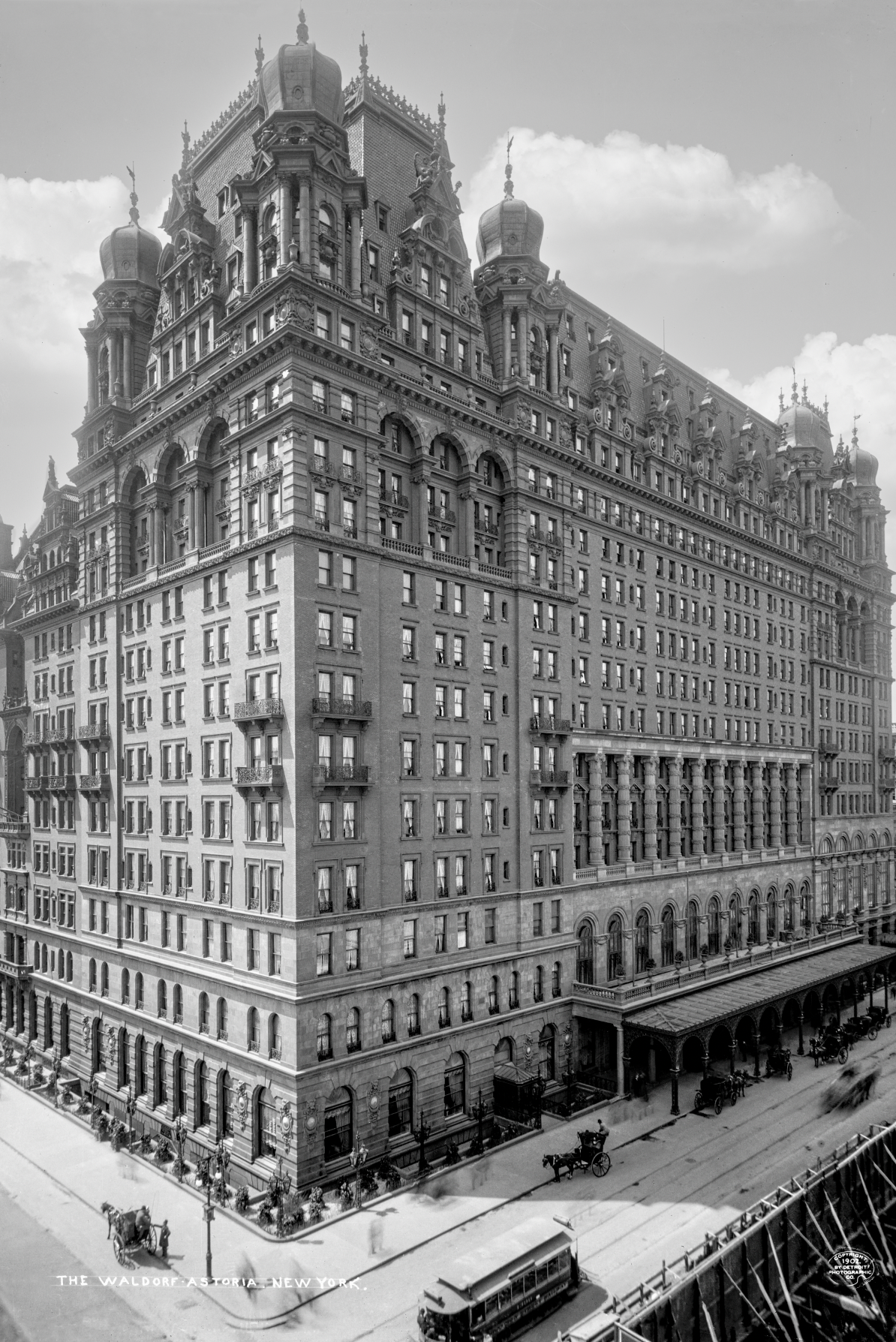
New York's skyline wasn't built overnight. Vintage photographs of Trinity Church, the Plaza, Waldorf-Astoria, Chrysler Building, Empire State Building and Rockefeller Center reveal how Manhattan grew from a city of church steeples and grand hotels into the skyscraper capital of the world.


The Old West Never Really Ended
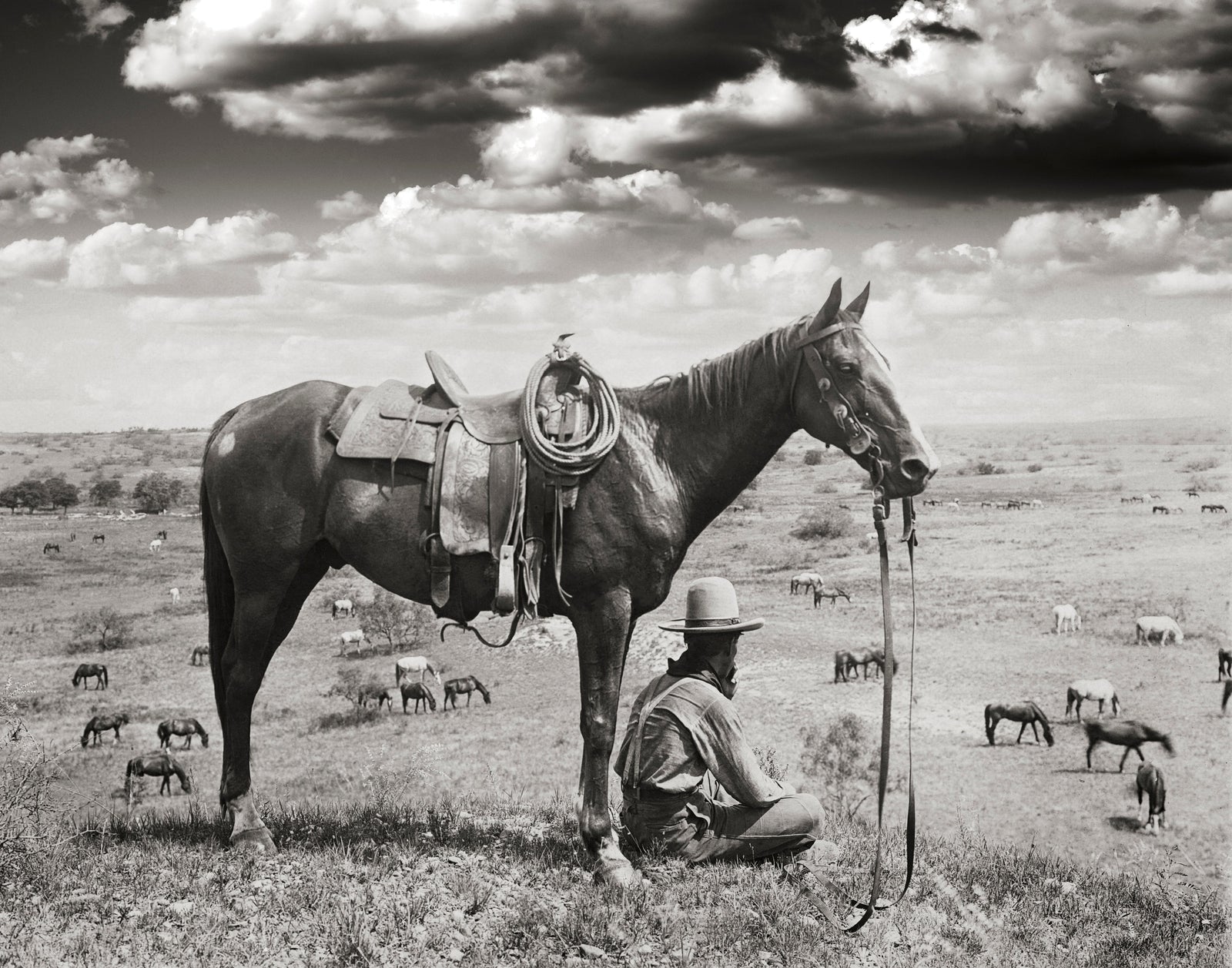
A cowboy on horseback overlooks the Dallas skyline in 1943—an image that seems to capture the Old West and modern America in a single frame. But the cowboy didn't disappear when the frontier closed. Discover how real working cowboys, rodeos, music and Hollywood carried the Old West into the 20th century.
Let customers speak for us
Gems
These short clips are gems. They are part of the history of music in America. Thank you for posting.
S. Kelley Chambers

Love the print and perfect decor for our n...
Love the print and perfect decor for our new apartment in Pittsburgh.
Chris P

5 stars review from Laura
5 stars review from Laura
Laura D

5 stars review from Geri
5 stars review from Geri
Geri L

5 stars review from Stephanie
5 stars review from Stephanie
Stephanie

5 stars review from Brookelynz
5 stars review from Brookelynz
Brookelynz
5 stars review from Deborah
5 stars review from Deborah
Deborah G

Spectacular!
Received as a gift and could not be happier with the quality of the print. Shipping container ensure this arrived in perfect condition.
John

5 stars review from Kayla
5 stars review from Kayla
Kayla G

5 stars review from Blondiee
5 stars review from Blondiee
Blondiee

5 stars review from April
5 stars review from April
April Y

5 stars review from Tracie
5 stars review from Tracie
Tracie C

Great quality and fast delivery!
Great quality and fast delivery!
Amanda C

5 stars review from Autumnrayne4
5 stars review from Autumnrayne4
Autumnrayne4

5 stars review from Traca
5 stars review from Traca
Traca B
