

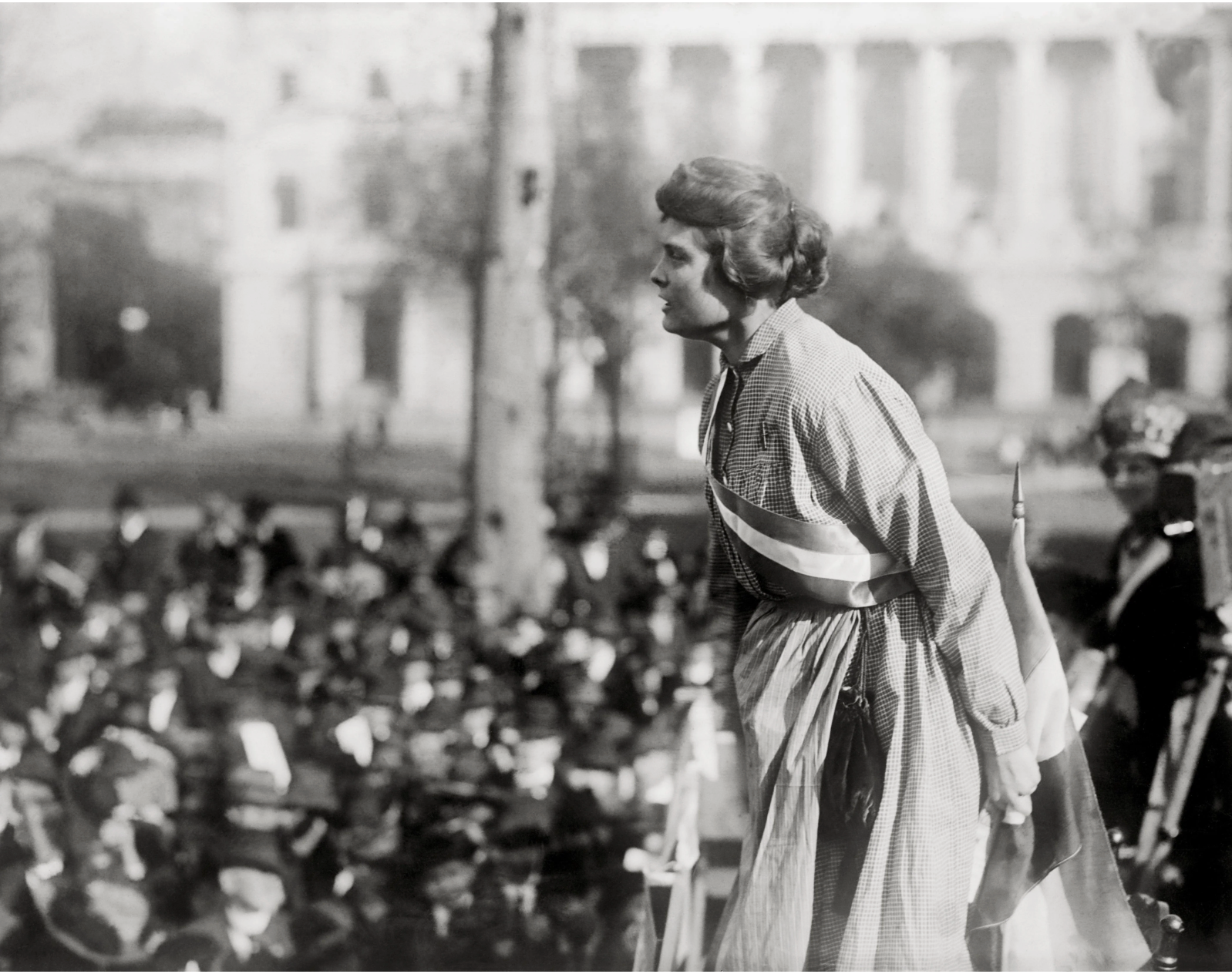

The History of Protest in the United States
Why Americans Protest, How Long Change Takes, and When It Works
Protest has been woven into the fabric of the United States since before the nation formally existed. From colonial resistance to British rule to modern movements demanding racial justice, labor protections, and civil rights, Americans have repeatedly turned to public protest when formal political systems failed to represent them. While protests are often disruptive, emotional, and controversial in the moment, history shows they have played a decisive—though rarely immediate—role in shaping laws, culture, and power.
This article examines why people protested, how long it took to see results, the largest protests in U.S. history, and how protests influenced outcomes—when they succeeded, when they stalled, and why.
Why Americans Protest
At their core, protests arise when large groups of people believe legal or political channels are inaccessible, unjust, or unresponsive. Common causes recur across centuries:
-
Lack of political representation
-
Economic exploitation or inequality
-
Denial of civil or human rights
-
Government violence or abuse of power
-
Unpopular wars or foreign policy decisions
Protest has often served as a pressure valve—forcing issues into public view when voting, courts, or legislatures lag behind public need.
Early Protests: Independence and Labor (1700s–1800s)


Colonial Resistance (1760s–1770s)
Before independence, colonists protested British taxation and governance through boycotts, demonstrations, and symbolic acts such as the Boston Tea Party. These protests did not produce immediate reform; instead, they escalated tensions over more than a decade.
-
Time to outcome: ~15 years
-
Result: American independence (1776)
-
Impact: Protest normalized mass resistance as a legitimate political tool.
Labor Protests of the 19th Century
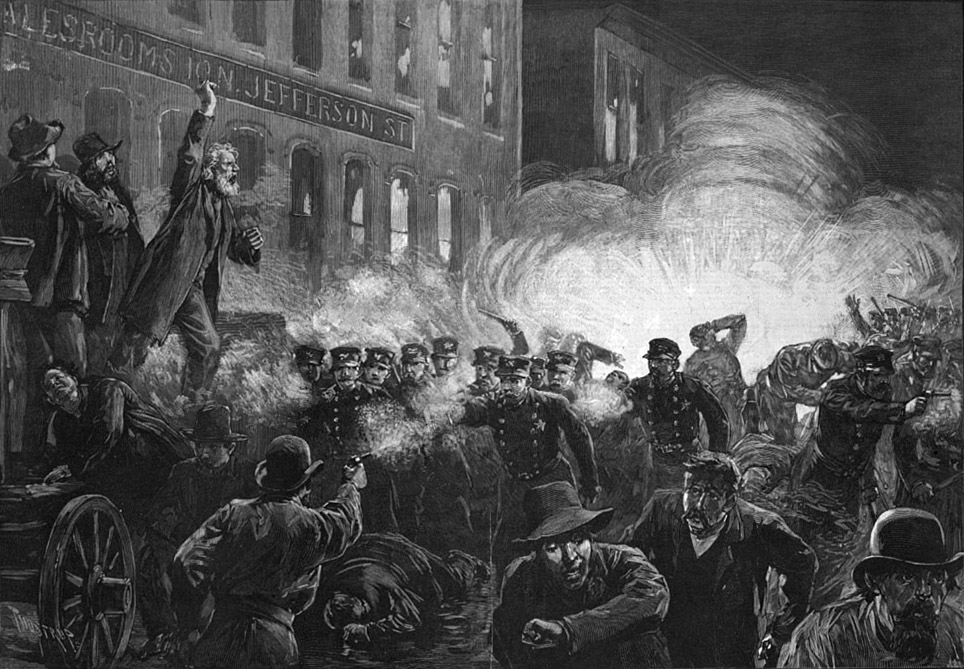
As industrialization expanded, workers protested unsafe conditions, long hours, and low wages. Events such as the Haymarket Affair and the Pullman Strike were met with violence and repression.
-
Time to outcome: 30–50 years
-
Result: Gradual labor reforms (8-hour workday, unions, workplace safety laws)
-
Impact: Protests failed short-term but laid groundwork for New Deal labor protections in the 1930s.
The Civil Rights Era: Persistence Pays Off


The Civil Rights Movement of the 1950s–60s represents one of the clearest examples of protest producing tangible legislative change. African Americans and allies protested segregation, voter suppression, and racial violence through marches, boycotts, sit-ins, and civil disobedience.
Leaders such as Martin Luther King Jr. emphasized nonviolence, understanding that protest alone was not enough—it had to sway public opinion and force federal intervention.
-
Time to outcome:
-
Brown v. Board of Education: ~20 years of groundwork
-
Civil Rights Act: ~10–15 years of sustained protest
-
-
Largest protest: March on Washington (1963), ~250,000 people
-
Result: Civil Rights Act (1964), Voting Rights Act (1965)
-
Impact: Protests directly influenced national legislation by exposing injustice on television and in newspapers.
Anti-War Protests: Cultural Victory, Political Limits


During the Vietnam War, millions protested U.S. involvement, particularly students and young people. Demonstrations peaked between 1968–1971.
-
Time to outcome: ~10 years
-
Largest protests:
-
1969 Moratorium to End the War (~2 million nationwide)
-
-
Result: War ended in 1975
-
Impact:
-
Protests did not directly end the war
-
They shifted public opinion, pressured lawmakers, and constrained future military actions
-
The lesson: protests often change what becomes politically possible, even when they don’t produce immediate policy reversals.
Women’s Rights and LGBTQ+ Protests: Long Arcs of Change


Women’s Rights
Women protested for suffrage, workplace equality, reproductive rights, and legal autonomy.
-
Suffrage protests: 1848–1920 (~70 years)
-
Result: 19th Amendment (1920)
-
Modern protests: Women’s March (2017) drew ~3–5 million nationwide
-
Impact: Cultural influence, electoral mobilization, slower legislative gains
LGBTQ+ Rights
The Stonewall uprising in 1969 sparked decades of protest.
-
Time to outcome: 45+ years
-
Result: Marriage equality (2015)
-
Impact: Protest reshaped social norms before laws followed.
Black Lives Matter and Modern Protests


After the murder of George Floyd in 2020, the U.S. experienced the largest protest movement in its history, with an estimated 15–26 million participants nationwide.
-
Time to outcome: Ongoing
-
Results so far:
-
Police reforms in some cities
-
Removal of Confederate monuments
-
Increased public awareness and corporate response
-
-
Limitations: Federal legislation stalled; backlash followed
-
Impact: Significant cultural shift, uneven policy change
What History Shows About Protest
Across U.S. history, several patterns are clear:
-
Protests rarely work quickly
-
Most successful movements took decades, not months.
-
-
They succeed when paired with strategy
-
Legal action, elections, media pressure, and coalition-building matter.
-
-
They reshape public opinion first, law second
-
Cultural change usually precedes legislation.
-
-
Backlash is part of the process
-
Nearly every successful movement faced repression and reversal before progress.
-
Conclusion
Protest in the United States has never been neat, polite, or universally popular. Yet again and again, it has forced the nation to confront contradictions between its ideals and its realities. While protests alone do not guarantee victory, history shows they are often the spark that makes change unavoidable.
In a democratic system that moves slowly by design, protest remains one of the few tools ordinary people have to accelerate moral and political reckoning—even when the results take longer than a generation to appear.
1 Response
Leave a comment
Comments will be approved before showing up.
Also in Time Capsule

Six New York Landmarks That Changed the Manhattan Skyline
New York's skyline wasn't built overnight. Vintage photographs of Trinity Church, the Plaza, Waldorf-Astoria, Chrysler Building, Empire State Building and Rockefeller Center reveal how Manhattan grew from a city of church steeples and grand hotels into the skyscraper capital of the world.


The Old West Never Really Ended
A cowboy on horseback overlooks the Dallas skyline in 1943—an image that seems to capture the Old West and modern America in a single frame. But the cowboy didn't disappear when the frontier closed. Discover how real working cowboys, rodeos, music and Hollywood carried the Old West into the 20th century.
Let customers speak for us
Gems
These short clips are gems. They are part of the history of music in America. Thank you for posting.
S. Kelley Chambers

Love the print and perfect decor for our n...
Love the print and perfect decor for our new apartment in Pittsburgh.
Chris P

5 stars review from Laura
5 stars review from Laura
Laura D

5 stars review from Geri
5 stars review from Geri
Geri L

5 stars review from Stephanie
5 stars review from Stephanie
Stephanie

5 stars review from Brookelynz
5 stars review from Brookelynz
Brookelynz
5 stars review from Deborah
5 stars review from Deborah
Deborah G

Spectacular!
Received as a gift and could not be happier with the quality of the print. Shipping container ensure this arrived in perfect condition.
John

5 stars review from Kayla
5 stars review from Kayla
Kayla G

5 stars review from Blondiee
5 stars review from Blondiee
Blondiee

5 stars review from April
5 stars review from April
April Y

5 stars review from Tracie
5 stars review from Tracie
Tracie C

Great quality and fast delivery!
Great quality and fast delivery!
Amanda C

5 stars review from Autumnrayne4
5 stars review from Autumnrayne4
Autumnrayne4

5 stars review from Traca
5 stars review from Traca
Traca B

Ross Elliott
February 04, 2026
Glad to be part of this!