


Steamboats of the Mississippi River at the Turn of the Century
At the turn of the last century, the Mississippi River was still one of America’s great working highways, even as railroads and, soon after, automobiles began to steal away the freight and passenger business that had once made river towns boom. In the decades after the Civil War, steamboats no longer held the near-monopoly they’d enjoyed in the 1840s and 1850s, but they remained essential in many places. The river carried bulk goods that were awkward or expensive to move by rail, served communities that were still more easily reached by water than by road, and—just as importantly—kept alive a romantic, noisy, white-painted vision of American travel that was already becoming nostalgic even while it continued to do real work.
“Steamboats” on the Mississippi in 1895–1915 weren’t a single thing. The classic image—tall stacks, gingerbread trim, a broad wheel churning behind—was often a packet boat built to carry passengers, mail, and high-value freight on a schedule. But the same era also saw the rise of hard-working towboats pushing barges, plus smaller sternwheelers serving local landings, plus excursion boats dedicated mostly to leisure. The river was a whole ecosystem of floating labor.
What Steamboats Carried
Cargo at the turn of the century reflected what the Mississippi Valley produced and what its growing cities demanded. Bulk goods dominated the business that remained strong on water. Cotton still mattered, especially in the lower river. Bales moved from plantation country and interior compresses down to ports where they could be shipped onward, with New Orleans continuing as the great cotton outlet even as other routes expanded.
Lumber and timber were constant. The upper river and its tributaries fed sawmills and river towns with rafts and cargoes of cut wood; farther south, finished lumber moved toward expanding cities and construction markets. Grain—corn, wheat, oats—flowed from the Midwest to river elevators and transfer points, and increasingly into barge-and-tow systems that could move immense tonnage cheaply. Coal traveled too, both as cargo and as fuel. Many boats had shifted from wood to coal by this period, and coal fields connected to the Ohio River system helped make coal a practical river commodity.
Then there were the practical loads that kept towns alive: barrels and crates of foodstuffs, flour and meal, sugar and molasses in the lower valley, farm equipment, hardware, nails, textiles, paper goods, and bottled products. Riverboats carried ice in season, and they carried livestock at times, though rail was increasingly dominant for animals. They carried building materials, and they carried the unglamorous necessities of rural life—feed, fencing wire, kerosene, tools—delivered to small landings where a train line might be distant.
Packets also carried mail, newspapers, and “express” freight—items that were valuable, urgent, or both. Even when railroads took the prestige routes, a dependable packet schedule still mattered for certain towns and for certain kinds of shipping. The most valuable commodity, of course, was the one that didn’t sit in a warehouse at all: information. A packet arriving at a levee with mail sacks and newspapers could make a town feel connected to the wider country.
Did Steamboats Carry People?
Yes, and in several different ways. Passenger travel didn’t vanish at the turn of the century; it simply changed shape. Packet boats still sold cabins and meals and offered a style of travel that could feel like a moving hotel—especially on well-appointed lines. Businessmen used the boats, families used them for regional travel, and some travelers chose the river for the experience even when rail was faster.
But passenger service also reflected the social realities of the era. Class divisions were built into the boat. Cabin passengers paid for staterooms, dining saloons, and a relatively refined experience. Cheaper travelers often rode “on deck,” sometimes with their baggage and sometimes with freight. On many boats and in many places, Black passengers faced segregation and restrictions under Jim Crow practices and local custom, with accommodations and access shaped by the harsh racial order of the time. The river could be freedom in one sense—movement, work, possibility—but it could also reproduce the same inequities found on land.
Excursion boats became a major part of the passenger picture. As railroads took over serious intercity passenger travel, many steamboat companies leaned into leisure. Day trips, moonlight cruises, Sunday outings, dance cruises with live music—these flourished around cities like St. Louis, Memphis, and New Orleans. For some passengers, the steamboat was no longer the most practical way to get somewhere; it was the reason to go at all.
Ports of Call and the Geography of a Working River
A steamboat’s “ports of call” could mean grand city landings or nothing more than a muddy bank where a plank was thrown down and cargo was passed hand-to-hand. On the Upper Mississippi, boats connected river cities like St. Paul and Minneapolis (via the river’s navigable stretches), Red Wing, Winona, La Crosse, Dubuque, Davenport, Rock Island, Quincy, and Alton, with St. Louis as the great hinge point between upper and lower river cultures.
St. Louis was a steamboat city in the bones. Its levee life involved packets, towboats, wharfboats, warehouses, and a dense choreography of arrivals and departures. From there southward, Cairo, Illinois—near the confluence of the Ohio and Mississippi—was strategically important as a meeting of waterways. Then came Memphis, a major cotton and timber hub; Helena and Greenville; Vicksburg with its high bluffs; Natchez with its storied riverfront; Baton Rouge; and New Orleans, the mighty port city where river commerce met ocean commerce.
The river was never just the Mississippi itself. The Ohio River system fed the Mississippi with coal, manufactured goods, and traffic from Pittsburgh, Cincinnati, Louisville, and beyond. The Missouri River brought in grain and regional freight and linked into the Plains. The Arkansas, the Red, the Illinois, and other tributaries acted like branches on a vast transportation tree. A boat might not travel the whole length of the Mississippi, but it lived inside that larger network.
At small landings, schedules were part promise and part improvisation. River stages changed, sandbars shifted, and weather could disrupt everything. A packet might advertise regular stops, but the river had its own authority. Some landings were marked by a simple sign or a known tree line; the pilot’s knowledge mattered as much as any chart.
Who Worked on Steamboats?
A steamboat was a floating workplace with rigid hierarchy and constant physical demands. At the top was the captain, responsible for the boat’s overall operation, business decisions, and often its public face. The pilot was a figure of near-mythic status: the person who “knew the river,” who could read the water’s surface for hidden currents, who held in memory the bends, snags, crossings, and quirks of a channel that could change with every flood season. Pilots were highly paid because their judgment could save or ruin a boat.
In the engine room, the chief engineer and assistants kept the machinery alive. Boilers had to be fed and watched. If the boat still burned coal heavily, firemen and coal passers worked brutally hot shifts, moving fuel and maintaining pressure. If it burned wood (more common earlier, but still present in places), wooding up was its own labor ecosystem—stops to take on cordwood, teams ready at certain landings, and the never-ending appetite of steam.
On deck were mates and deckhands. The mate might act as the captain’s right hand for loading, unloading, discipline, and the countless practical decisions that kept the boat moving. Deckhands handled lines, managed cargo, fought currents at the landing stage, and did the muscle work of the river. Roustabouts—often Black laborers in the lower river especially—did hard, fast loading and unloading, carrying sacks and barrels, rolling freight, working under pressure and time. The work could be dangerous: slippery planks, shifting loads, heavy lines under strain.
Inside, passenger boats had an entirely different staff: clerks who managed tickets and freight bills; stewards who ran dining service and provisions; cooks and bakers; waiters; chambermaids; and sometimes musicians. On excursion boats, entertainment mattered, and so did the mood—music on deck, food and drink service, decorations, and the famous calliope on some boats that announced arrival like a carnival drifting downstream.
Work on the river was seasonal in feel even when it ran year-round. High water could be both opportunity and danger. Low water could strand commerce, forcing boats to lighten loads or wait for a rise. In winter, ice could make travel perilous in northern stretches, while the lower river stayed busy longer.
What the Boats Were Like, and How Big Were They?
The classic Mississippi steamboat design persisted: a relatively shallow draft so the boat could run in thin water, broad hulls for stability, and large superstructures for passengers on packets. Sternwheelers were common because they handled shallow water and snags well, while sidewheelers had advantages in speed and maneuverability on certain routes. Many boats were wood-framed with ornate finishes, though construction and safety standards evolved.
By the turn of the century, technology had matured. Boilers, engines, and hull design were more standardized, and navigation aids improved. Yet the river remained a place where human skill could outrank technology. A good pilot could coax a loaded boat through tricky water where a less experienced hand might hesitate.
As for size, the famous packets of the post–Civil War era often stretched into the 250–300+ foot range, with wide beams and multiple decks. Some of the best-known boats associated with Mississippi lore—like the Robert E. Lee and the Natchez nameboats—belonged to an earlier crest of packet competition, but their memory shaped expectations well into the early 1900s. The J. M. White, launched in the late nineteenth century, became one of the celebrated large sternwheel packets, known for speed, style, and showmanship. Exact dimensions varied by boat and rebuilds, but it’s fair to say that a “big boat” in this world could feel enormous at the levee: tall stacks, broad decks, and a presence that made a small town look suddenly theatrical.
The turn-of-the-century shift worth noticing is the growing importance of towboats and barges. These weren’t built to impress passengers; they were built to move tonnage. The towboat Sprague, launched in the early 1900s, became famous as a powerhouse designed to push huge barge tows. Its significance was not in elegance but in muscle—an emblem of the river becoming more industrial, more freight-focused, more about efficiency than velvet dining rooms.
Famous Boats and the Names People Remembered
When people talk about “famous” Mississippi steamboats, they often mean different categories of fame. Some were famous for speed and competition, especially the legendary runs between New Orleans and upriver cities. Some were famous for luxury and social life, becoming floating symbols of a certain kind of American glamour. Some were famous because they survived into the modern era and became living artifacts.
Even if certain iconic names peaked a bit earlier than 1900, their influence lingered in the period you’re asking about. They established the mythology of the riverboat as a place of music, risk, romance, and spectacle. Meanwhile, the boats of the early 1900s that mattered daily might be less famous: the dependable packets serving a route, the towboats pushing barges of grain and coal, the excursion fleet that made summer nights on the river feel like a holiday.
In the lower Mississippi, the name “Natchez” echoed because successive boats carried it, and because it became shorthand for the riverboat ideal. In Louisville, the boat that would become the Belle of Louisville began life in the 1910s and later became a preserved symbol of the era. In the excursion world, companies like Streckfus built brands around river entertainment, helping turn steamboating into a cultural event even as freight patterns shifted.
Fame also attached to disasters, because river travel was never entirely safe. Fires were a constant fear. Boilers could fail catastrophically, though improved standards reduced some of the worst risks of the earlier century. Collisions happened in fog and at night. Snags tore into hulls. The river was wide, but it could also be unforgiving.
Life Aboard: Schedules, Meals, and the River’s Rhythm
On a packet, the day had a rhythm shaped by bells, meal times, landings, and the constant throb of machinery. Cabin passengers might wake to light through lace curtains, take breakfast in a dining saloon, and spend hours watching the shoreline slide by: farms, bluffs, willow islands, small towns with church steeples and grain elevators. They would step onto the texas deck or promenade, watch the crew handle lines, listen to the exchange of shouted instructions, and feel the boat pause and surge as it came alongside a landing.
Freight was handled with urgency. A stop might last only as long as it took to swing out a gangplank, unload a few pieces, take on others, and push off again. At busier ports, the boat could be swallowed in noise and activity: wagons and drays on the levee, warehouse doors flung open, clerks with clipboards, and crews moving like a practiced machine.
Excursion boats turned that rhythm into a show. The schedule was designed around human pleasure: departure at a convenient time, music timed to sunset, return late enough to feel like a night out. These boats helped preserve the public’s relationship with the river at a time when fewer people depended on it for practical travel.
Towboats lived by a different rhythm entirely. Their work was continuous, heavy, and strategic. They assembled barges into long tows, navigated not just the channel but also the physics of pushing enormous mass through moving water, and made time not by speed but by efficiency and persistence.
Why the Turn of the Century Matters
The Mississippi steamboat story at the turn of the twentieth century is a story of transition. The river didn’t stop being important; it shifted from being the country’s main corridor of movement to being one part of a more complex transportation system. Railroads took speed and scheduling. The river kept economy of scale for bulky freight and maintained access for certain communities. The passenger business pivoted toward leisure, memory, and experience.
And yet the river remained deeply practical. A boat arriving with supplies in a small town could still matter in a way that felt immediate. A tow of barges moving grain and coal was still an artery of national commerce, even if it didn’t come with chandeliers and ballroom music. The Mississippi at the turn of the century held both truths at once: it was the stage for a fading grandeur and the worksite for a modern industrial economy.
The popular image of the Mississippi steamboat—white paint, red wheel, calliope music—was never the whole story, but it became especially powerful in this period because Americans could feel the change happening. The riverboat became a symbol even while it remained a tool. It carried cotton and coal, yes, but it also carried the idea of America moving through its own interior, town to town, bend to bend, with the shoreline close enough to see faces waving back. View a steamship on O'l Miss here.
Leave a comment
Comments will be approved before showing up.
Also in Time Capsule
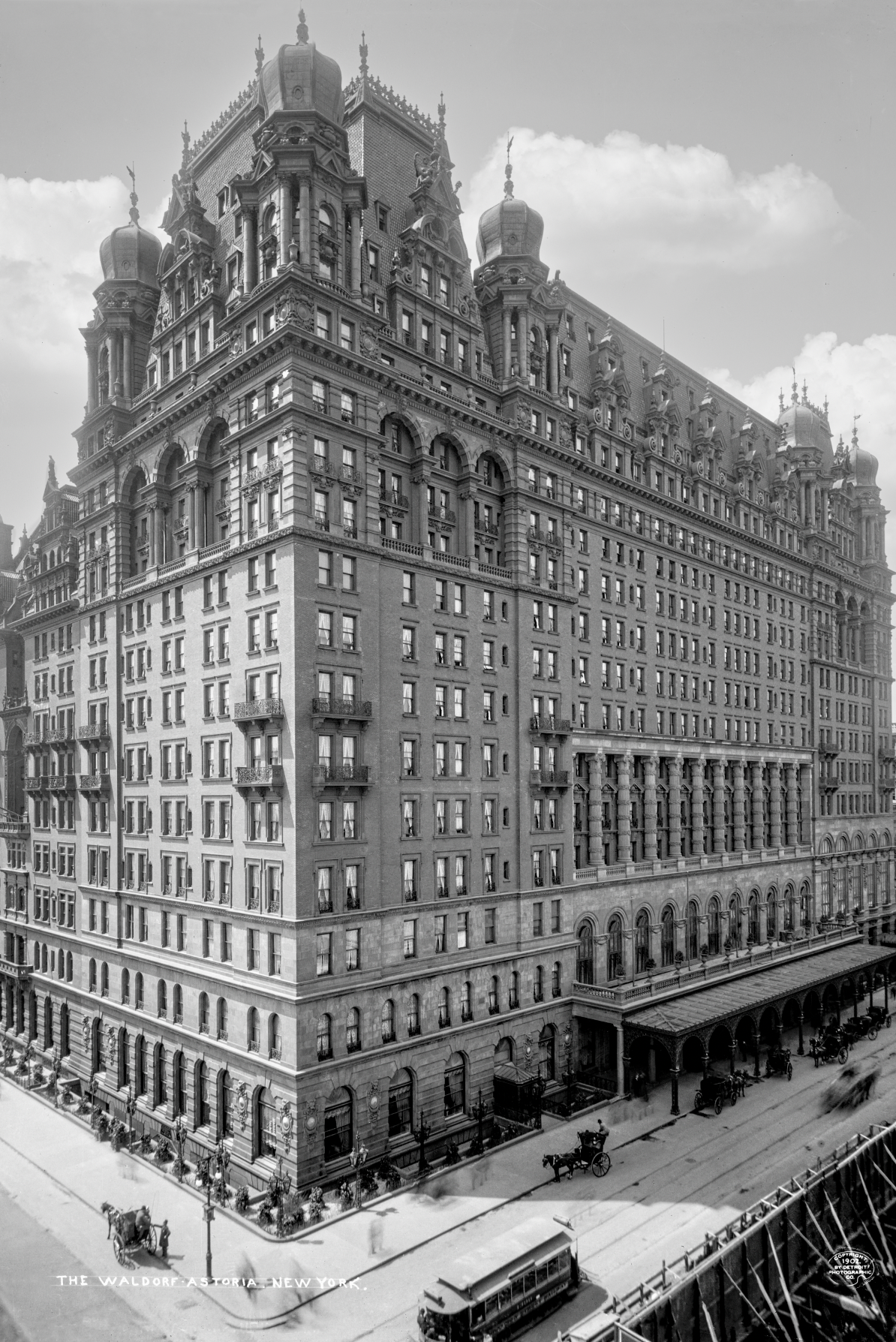

Six New York Landmarks That Changed the Manhattan Skyline
New York's skyline wasn't built overnight. Vintage photographs of Trinity Church, the Plaza, Waldorf-Astoria, Chrysler Building, Empire State Building and Rockefeller Center reveal how Manhattan grew from a city of church steeples and grand hotels into the skyscraper capital of the world.

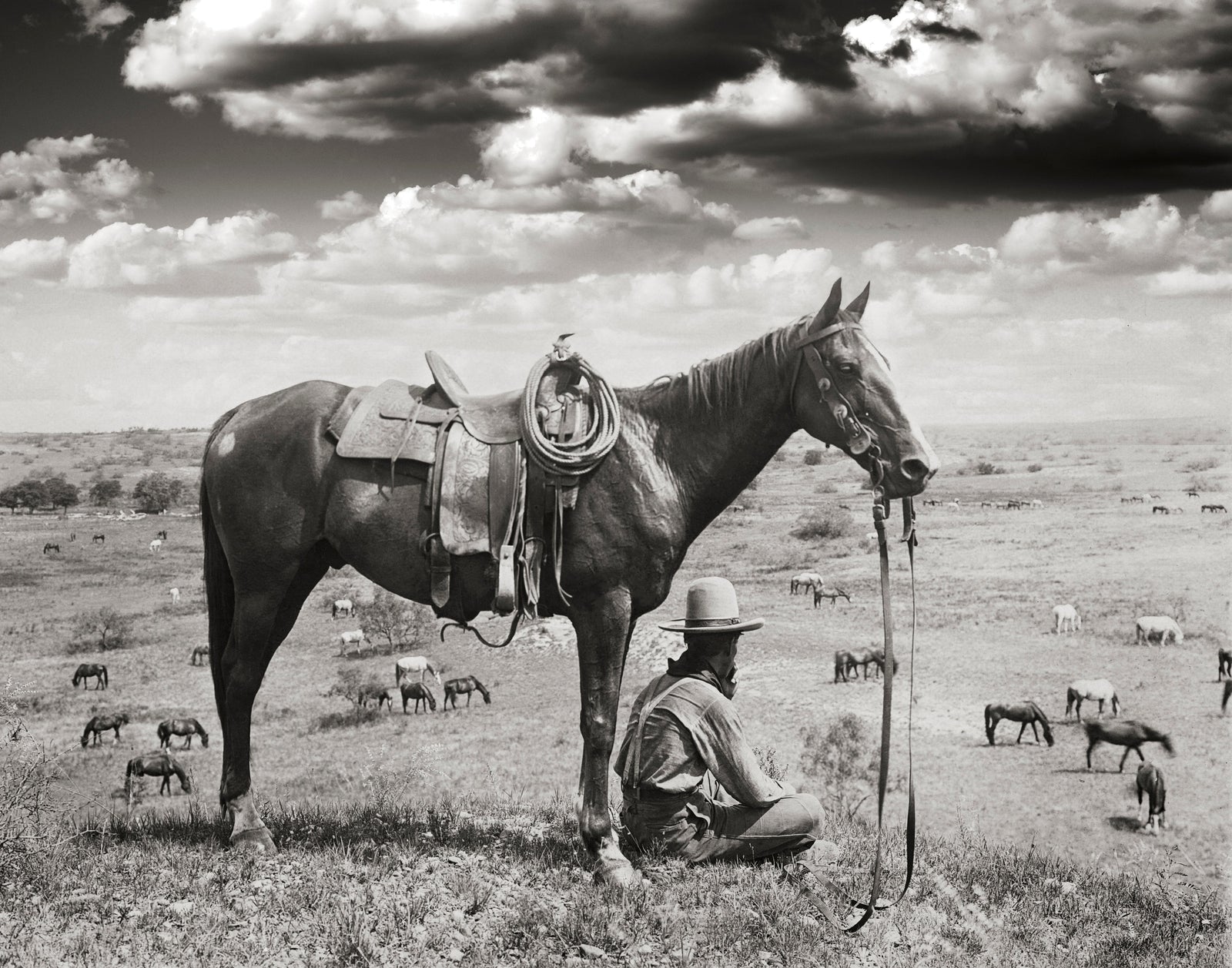

The Old West Never Really Ended
A cowboy on horseback overlooks the Dallas skyline in 1943—an image that seems to capture the Old West and modern America in a single frame. But the cowboy didn't disappear when the frontier closed. Discover how real working cowboys, rodeos, music and Hollywood carried the Old West into the 20th century.
Let customers speak for us
Gems
These short clips are gems. They are part of the history of music in America. Thank you for posting.
S. Kelley Chambers

Love the print and perfect decor for our n...
Love the print and perfect decor for our new apartment in Pittsburgh.
Chris P

5 stars review from Laura
5 stars review from Laura
Laura D

5 stars review from Geri
5 stars review from Geri
Geri L

5 stars review from Stephanie
5 stars review from Stephanie
Stephanie

5 stars review from Brookelynz
5 stars review from Brookelynz
Brookelynz
5 stars review from Deborah
5 stars review from Deborah
Deborah G

Spectacular!
Received as a gift and could not be happier with the quality of the print. Shipping container ensure this arrived in perfect condition.
John

5 stars review from Kayla
5 stars review from Kayla
Kayla G

5 stars review from Blondiee
5 stars review from Blondiee
Blondiee

5 stars review from April
5 stars review from April
April Y

5 stars review from Tracie
5 stars review from Tracie
Tracie C

Great quality and fast delivery!
Great quality and fast delivery!
Amanda C

5 stars review from Autumnrayne4
5 stars review from Autumnrayne4
Autumnrayne4

5 stars review from Traca
5 stars review from Traca
Traca B
